


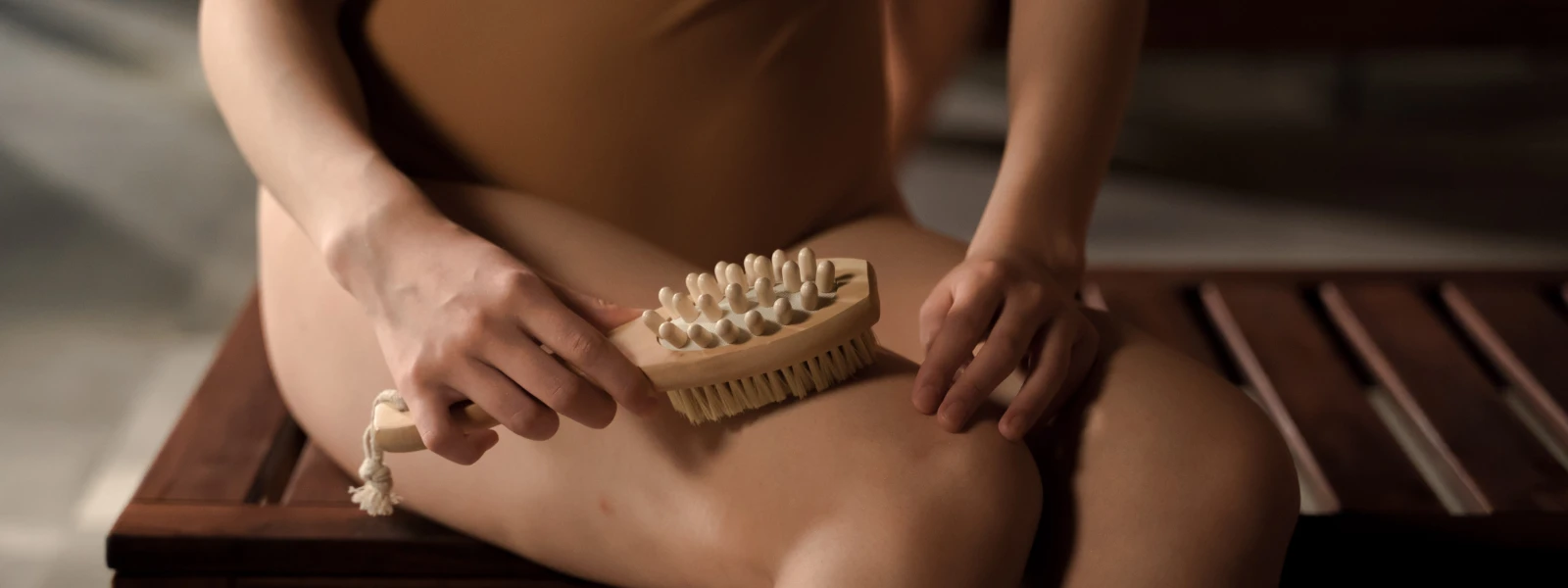
Dark inner thighs from friction and sweat are common, especially in India's humid climate. Learn why it happens, how sweat and friction darken skin, and what skincare actives actually work to fade discoloration. Asaya breaks down the science and shares proven solutions for this frustrating concern.
Featured dark inner thighs friction sweat and skincare Collection
Dark inner thighs are one of those skin concerns nobody talks about, but almost everyone deals with. If you're noticing darker skin on your inner thighs—whether from friction, sweat, or just the way your skin naturally responds to irritation—you're not alone. Asaya is here to explain why this happens and what actually works to fade it.
Why Do Inner Thighs Get Dark? The Friction & Sweat Factor
Your inner thighs are delicate. They're warm, they sweat, and they experience constant friction from movement and clothing. When skin gets irritated repeatedly, it responds by producing extra melanin in that area—that's your body's way of protecting itself. Add humidity, sweat, and the fact that Indian summers are relentless, and you've got the perfect storm for darkening. It's not a flaw; it's your skin doing its job. The good news? It's fixable.
How Sweat & Friction Actually Darken Skin
Here's the mechanism: friction causes micro-inflammation. Your skin senses damage and triggers melanin production to shield itself. Sweat sits on the skin, trapping bacteria and irritants, which deepens the inflammation cycle. Over time, this repeated irritation leads to post-inflammatory hyperpigmentation—basically, your skin remembers the irritation and keeps producing melanin even after the friction stops. That's why dark inner thighs can stick around even when you're not actively irritating the area.
What Actually Fades Dark Inner Thighs: The Actives That Work
To fade dark inner thighs, you need actives that do two things: reduce inflammation and slow melanin production. Kojic Acid works by inhibiting tyrosinase, the enzyme that creates melanin—it's clinically proven to fade hyperpigmentation. Alpha Arbutin is gentler and works similarly, making it good for sensitive areas. Niacinamide reduces inflammation and strengthens your skin barrier, so you're less prone to irritation in the first place. Vitamin C brightens and supports collagen, helping skin look more even-toned. Most people see visible fading in 4 to 8 weeks with consistent use—not overnight, but real results.
Prevention: Stop the Cycle Before It Starts
Prevention is easier than fading. Wear breathable, loose clothing in summer to minimize friction. Keep the area dry—moisture traps bacteria and deepens irritation. Use a gentle exfoliant once or twice a week to prevent dead skin buildup, which can worsen darkening. And sunscreen isn't just for your face; UV exposure darkens hyperpigmented areas faster, so apply SPF 30+ to exposed skin, including inner thighs if they're exposed.
Q: How long does it take to see results on dark inner thighs?
A: Most people see visible fading in 4 to 8 weeks with consistent use of the right actives. Dark spots take time to form, so they take time to fade. Stick with it, and don't expect overnight results.
Q: Is dark inner thigh skin permanent?
A: No. It's post-inflammatory hyperpigmentation, which means your skin is overproducing melanin in response to irritation. With the right treatment and prevention, it fades completely.
Q: Can I use the same pigmentation serum on my inner thighs as my face?
A: Yes, but be careful. Inner thigh skin is thinner and more sensitive than facial skin. Start with a lower concentration of actives and patch-test first. If irritation happens, dial it back.
Q: What's the best way to prevent dark inner thighs in summer?
A: Wear loose, breathable clothing, keep the area dry, apply sunscreen, and use a gentle exfoliant to prevent dead skin buildup. Prevention stops the cycle before it starts.
Q: Does dark inner thigh skin mean I have a skin condition?
A: Not necessarily. It's usually post-inflammatory hyperpigmentation from friction and sweat, which is completely normal and very common, especially in humid climates. If it's accompanied by itching, pain, or unusual texture, see a dermatologist.
