


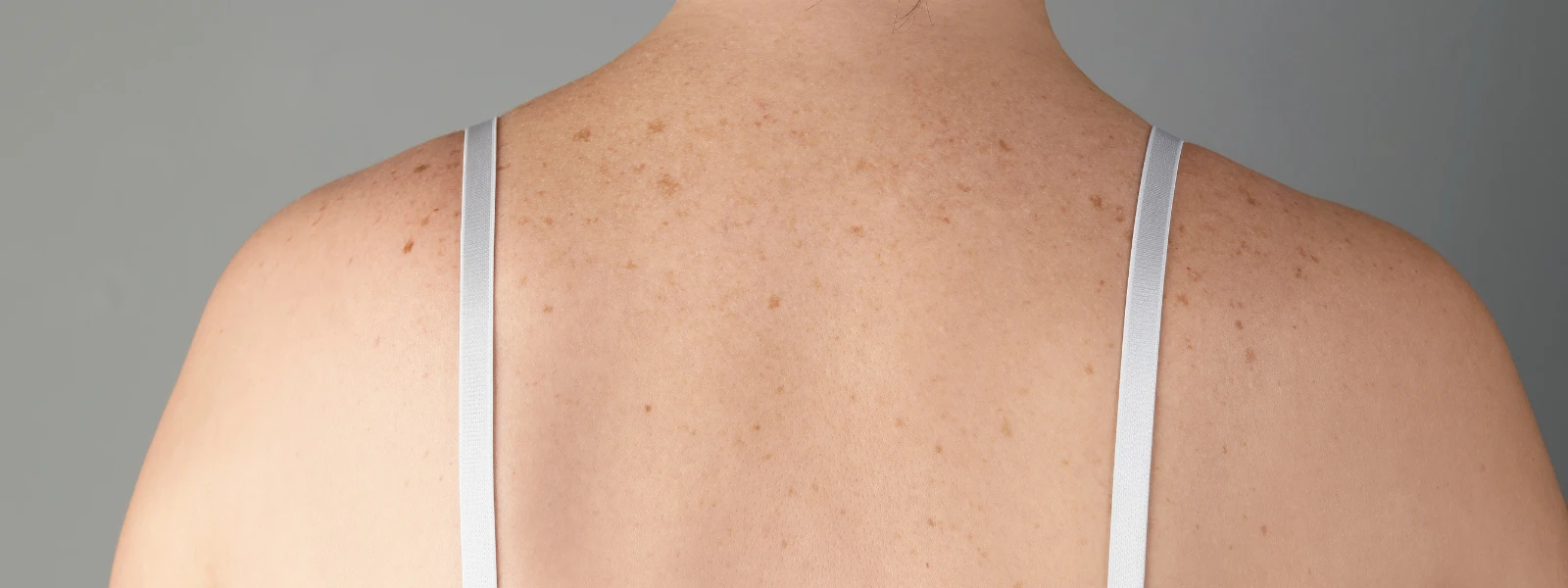
Dark spots and uneven tone on your chest and back are frustrating, but they're fixable. Asaya's targeted approach to pigmentation addresses the specific challenges of these sensitive areas with clinically-backed actives like Kojic Acid and Niacinamide. Learn why these spots form, how to fade them, and which products actually work for Indian skin tones.
Featured chest and back pigmentation Collection
Chest and back pigmentation is one of the most stubborn skin concerns, especially for those with melanin-rich skin. At Asaya, we understand that dark spots in these areas aren't just about sun exposure—they're often triggered by friction, sweat, irritation, or past breakouts. This guide breaks down why pigmentation happens here, what actually fades it, and how to prevent it from coming back.
Why Chest and Back Pigmentation Happens
Your chest and back are constantly exposed to the sun, sweat, and friction from clothing. When your skin gets irritated or inflamed—whether from acne, eczema, or even tight fabrics—it responds by producing extra melanin in that spot. Over time, this shows up as dark patches or uneven tone. For those with deeper skin tones, this hyperpigmentation is more visible and takes longer to fade naturally. The good news: it's not permanent, and the right actives can speed up the process significantly.
The Actives That Actually Work
Fading chest and back pigmentation requires consistent use of proven ingredients. Kojic Acid works by slowing down melanin production at the source, while Alpha Arbutin gently lightens existing dark spots over time. Niacinamide supports your skin barrier and reduces inflammation that can trigger more pigmentation. Most people see visible fading in 3 to 4 weeks with consistent application, but deeper spots may take 8 to 12 weeks. The key is consistency—skipping applications resets your progress. Asaya's pigmentation serums combine these actives in concentrations backed by clinical studies, so you're not guessing whether they'll work.
How to Use Serums on Chest and Back
Application matters as much as the product itself. After cleansing and while your skin is still slightly damp, apply your pigmentation serum in gentle upward strokes, focusing on the darkest areas. Don't rub or massage aggressively—friction can trigger more pigmentation. Follow with a lightweight moisturizer to lock in hydration, then apply a broad-spectrum SPF 50 sunscreen every single day. Sun exposure is the biggest reason pigmentation comes back, so this step is non-negotiable. Many people skip sunscreen on their chest and back, then wonder why spots don't fade. Your routine should take about 2 minutes, and consistency beats perfection.
Prevention: Stopping New Spots Before They Start
Once you've faded your dark spots, preventing new ones is easier than treating them. Wear loose, breathable fabrics to reduce friction and sweat buildup. Apply sunscreen daily—reapply every two hours if you're in the sun. If you get a breakout or irritation on your chest or back, treat it early with a gentle salicylic acid or niacinamide product to prevent post-inflammatory hyperpigmentation. Keep your routine simple and non-irritating; over-exfoliation or using too many actives at once can actually trigger more pigmentation. Think of it as maintenance: a good serum, sunscreen, and clean fabrics are your best defense.
Q: How long does it take to see results on chest and back pigmentation?
A: Most people notice visible fading within 2 to 3 weeks of consistent use. Deeper or older spots can take 8 to 12 weeks. The timeline depends on how dark the spots are, how long you've had them, and how consistently you use the product. Skipping applications or not using sunscreen will slow progress.
Q: Can I use the same pigmentation serum on my face and chest?
A: Yes, if the serum is formulated for all skin types and tones. Asaya's pigmentation serums are designed for face, neck, chest, and back. Just make sure you're using enough product—chest and back areas are larger, so you may need more serum than you'd use on your face.
Q: Is sunscreen really necessary if I'm using a pigmentation serum?
A: Absolutely. Sunscreen is not optional—it's the foundation of any pigmentation treatment. UV exposure triggers melanin production and can undo weeks of progress. Without daily SPF 50, your serum is working against the sun. Think of it as the serum fading spots and sunscreen preventing new ones.
Q: What if my chest and back pigmentation is from acne scars?
A: Post-inflammatory hyperpigmentation from acne is very common and responds well to Kojic Acid and Alpha Arbutin. However, if the scarring is textured or indented (not just discolored), you may also benefit from treatments like microneedling or chemical peels alongside your serum. Start with the serum for 6 to 8 weeks, then consult a dermatologist if you want to address texture.
Q: Can chest and back pigmentation come back after it fades?
A: Yes, if you stop using sunscreen or expose the area to repeated irritation. Once spots fade, maintenance is simpler than initial treatment: daily sunscreen, breathable clothing, and a gentle routine. If you're prone to pigmentation, you might use your serum once or twice a week as maintenance even after spots fade.
