


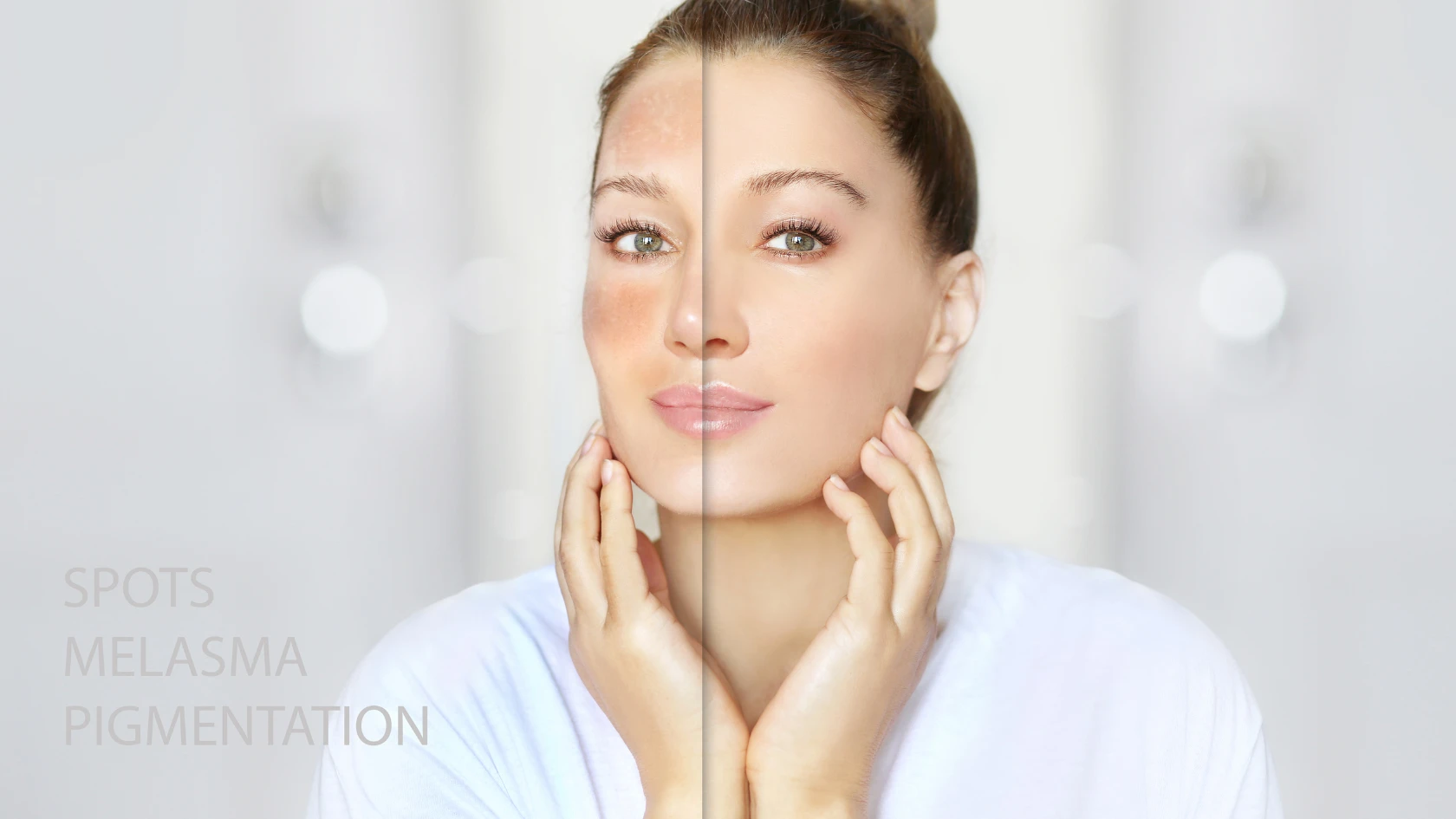
Wedding prep brings a lot of things to the surface, including questions about your skin. If you've noticed dark patches showing up or getting worse in the months before your wedding, you're not imagining it. Stress, hormonal shifts, and increased sun exposure during wedding season can all trigger pigmentation, but not all dark spots are the same. Hyperpigmentation and melasma look similar, but they have different causes and respond to different treatments. Getting that distinction right matters, especially when you're working with a timeline. Hyperpigmentation usually shows up after a breakout, irritation, or sun damage. Melasma tends to be deeper, more symmetrical, and often linked to hormones. Both are common on Indian skin, and both are very manageable when you know what you're dealing with. Asaya's range is built around actives like Alpha Arbutin, Kojic Acid, and Niacinamide that work on melanin at the source, not just on the surface. This guide breaks down the difference between the two, what actually helps, and how to build a realistic pre-wedding skin plan that works for your skin tone and your schedule.
Featured bridal hyperpigmentation vs melasma for wedding Collection
At Asaya, we know that Indian skin has its own relationship with pigmentation, and that relationship gets a lot more complicated in the months leading up to a wedding. Whether you're the bride or just trying to look your best for the big day, understanding the difference between hyperpigmentation and melasma is the first step to actually doing something about it.
What Is Hyperpigmentation and What Causes It?
Hyperpigmentation is a broad term for any area where your skin produces more melanin than usual, leaving a darker patch behind. On Indian skin, this most often shows up after a breakout, a small injury, or prolonged sun exposure. The spot is usually well-defined, and it tends to sit in one specific area rather than spreading symmetrically. The good news is that post-inflammatory hyperpigmentation, the kind left behind by acne, responds well to consistent use of actives like Alpha Arbutin and Niacinamide. These ingredients work by slowing down melanin production at the source. Most people see visible fading in about four to six weeks with daily use, though deeper spots can take a little longer.
What Is Melasma and Why Is It Different?
Melasma is a specific type of pigmentation that tends to appear in larger, more symmetrical patches, usually across the cheeks, forehead, and upper lip. It's strongly linked to hormonal changes, which is why it's so common during pregnancy, when starting or stopping hormonal contraceptives, and yes, during the stress and hormonal fluctuation that often comes with wedding planning. Melasma sits deeper in the skin than typical hyperpigmentation, which means it takes longer to respond to treatment and is more sensitive to sun exposure. If you stop using SPF, it comes back faster. Kojic Acid and Alpha Arbutin can help manage melasma, but sun protection is non-negotiable here. Without it, any progress you make will reverse quickly.
How to Tell the Difference on Your Own Skin
The easiest way to tell them apart is to look at the pattern and think about the trigger. Hyperpigmentation is usually a small, defined spot that you can trace back to a breakout or irritation. Melasma tends to be larger, more diffuse, and often appears on both sides of the face in a similar pattern. Melasma also tends to darken noticeably in the sun, even after just a short time outdoors. If you're unsure, a dermatologist can confirm it, but for most people, the pattern and history give a pretty clear picture. Both conditions are extremely common on melanin-rich skin, and neither is a sign that something is wrong with you.
Building a Pre-Wedding Skin Plan That Actually Works
If your wedding is three to six months away, you have a realistic window to see meaningful results. Start with a consistent routine built around a targeted serum with Alpha Arbutin or Kojic Acid, a gentle exfoliant to help cell turnover, and a broad-spectrum SPF 50 every single morning. Asaya's formulations are designed specifically for Indian skin tones, so the actives are calibrated to work on deeper melanin without causing irritation or rebound pigmentation. Avoid introducing too many new products at once, especially close to the wedding date. Stick to what's working, stay consistent, and give your skin the time it needs. Results are real, they just don't happen overnight.
Q: Can stress from wedding planning actually make pigmentation worse?
A: Yes, it can. Stress triggers cortisol, which can increase inflammation in the skin and stimulate melanin production. This is one reason pigmentation often flares up during high-pressure periods like wedding planning. Managing stress alongside your skincare routine genuinely helps.
Q: How early should I start treating pigmentation before my wedding?
A: Ideally, three to six months before the date. Actives like Alpha Arbutin and Kojic Acid need consistent daily use over several weeks to show visible results. Starting early also gives you time to adjust if your skin needs a different approach.
Q: Is melasma permanent?
A: Not permanent, but it does tend to recur, especially with sun exposure or hormonal changes. With consistent use of the right actives and daily SPF, most people can keep it well managed. Think of it as something you maintain rather than something you cure once and forget.
Q: Can I use Kojic Acid and Alpha Arbutin together?
A: Yes, they work well together because they target melanin production through slightly different pathways. Using both can give you more comprehensive coverage. Just introduce them gradually and always follow with SPF during the day.
Q: Will my pigmentation come back after the wedding if I stop my routine?
A: It can, especially melasma, which is sensitive to sun and hormones. Hyperpigmentation from old acne marks is less likely to return once it's faded, as long as you're managing breakouts. The best approach is to keep SPF as a daily habit even after the wedding, it's the single most effective thing you can do to prevent pigmentation from coming back.
