


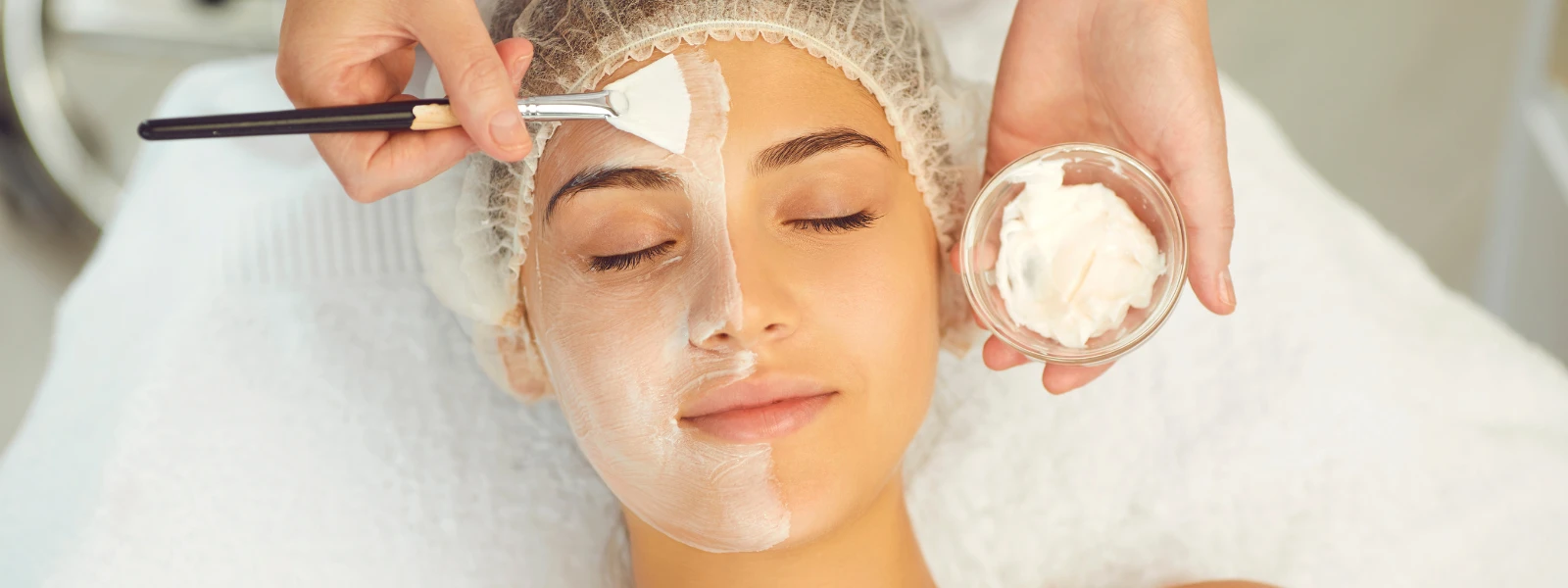
Dark spots don't fade overnight, but the right routine makes a real difference. Asaya's guide to the best skincare routine for dark spots covers what actually works: targeted actives like Kojic Acid and Alpha Arbutin, consistent sunscreen, and realistic timelines. Built for Indian skin tones and backed by dermatology, not hype.
Featured best skincare routine for dark spots Collection
Dark spots are frustrating, especially when you've tried everything and nothing seems to stick. Asaya understands that dark spots on Indian skin tones are real, they're common, and they're fixable—but only with the right routine and the right ingredients. This guide breaks down the best skincare routine for dark spots, based on what actually works, not what sounds good on a billboard.
Why Dark Spots Happen and Why They're Stubborn
Dark spots form when your skin produces extra melanin in one spot. This usually happens after a breakout heals, after sun exposure, or after irritation from over-treating your skin. Once they're there, they don't disappear on their own—your skin needs help to break down that concentrated melanin and fade the mark. That's where targeted actives come in. The best skincare routine for dark spots isn't about one miracle product; it's about layering the right ingredients consistently over weeks.
The Core Routine: What You Actually Need
A solid routine for dark spots has three non-negotiable steps. First, a gentle cleanser that removes oil and dirt without stripping your skin—this keeps your skin barrier healthy so it can actually absorb the actives you're about to layer on. Second, a targeted serum with proven depigmenting actives like Kojic Acid, Alpha Arbutin, or Niacinamide. These work by either blocking melanin production or breaking down existing pigment. Third, a broad-spectrum sunscreen every single day. This one is critical: UV exposure darkens existing spots and creates new ones. Without sunscreen, you're fighting a losing battle. Most people see visible fading in about 2 to 3 weeks with consistent use, but deeper spots can take 6 to 8 weeks.
The Actives That Actually Work on Dark Spots
Kojic Acid is one of the most researched depigmenting agents. It works by inhibiting the enzyme tyrosinase, which your skin uses to make melanin. If your skin isn't making as much melanin, dark spots fade faster. Alpha Arbutin works similarly, but it's slightly gentler and works well for sensitive skin. Niacinamide is a bit different—it doesn't directly lighten spots, but it strengthens your skin barrier and reduces inflammation, which helps your skin heal faster and prevents new spots from forming. The best skincare routine for dark spots usually combines one or two of these actives, not all three at once. Layering too many actives at the same time can irritate your skin and actually slow down healing.
Realistic Expectations and Timeline
Here's what you need to know: dark spots take time to fade because they're deep in your skin. You won't see results in a week, and anyone telling you that you will is selling you a story, not a solution. Most people see visible fading in 2 to 3 weeks, noticeable improvement in 4 to 6 weeks, and significant fading in 8 to 12 weeks. Deeper spots or melasma can take longer. The key is consistency. Using your routine 5 days a week won't work as well as using it every day. Your skin needs steady, predictable exposure to the active ingredients to actually change the melanin production.
Q: How long does it take to see results with the best skincare routine for dark spots?
A: Most people see visible fading in 2 to 3 weeks with consistent daily use. Noticeable improvement typically shows up in 4 to 6 weeks. Deeper spots or melasma may take 8 to 12 weeks or longer. Consistency matters more than the strength of the product.
Q: Can I use multiple actives in one routine for faster results?
A: No. Using too many actives at once irritates your skin and actually slows down healing. Start with one active—either Kojic Acid or Alpha Arbutin—and layer it consistently for at least 4 weeks before adding anything else. Your skin will thank you.
Q: Is sunscreen really necessary if I'm using dark spot treatments?
A: Yes, absolutely. Sunscreen is not optional; it's foundational. UV exposure darkens existing spots and creates new ones. Without daily broad-spectrum sunscreen, you're working against yourself. Think of it as the base layer that lets your actives actually work.
Q: What's the difference between Kojic Acid and Alpha Arbutin for dark spots?
A: Both block melanin production, but they work slightly differently. Kojic Acid inhibits the enzyme tyrosinase directly and tends to be more potent. Alpha Arbutin is gentler and converts to hydroquinone in your skin, making it a good choice if you have sensitive skin. Both are effective; the choice depends on your skin's tolerance.
Q: Can the best skincare routine for dark spots work on all skin tones?
A: Yes, but the routine needs to be formulated with melanin-rich skin in mind. Asaya's approach is specifically built for Indian skin tones and darker complexions, where dark spots and melasma are more common and more stubborn. Generic, Western-formulated routines often miss the mark because they weren't tested on the skin tones that actually deal with this issue.
