


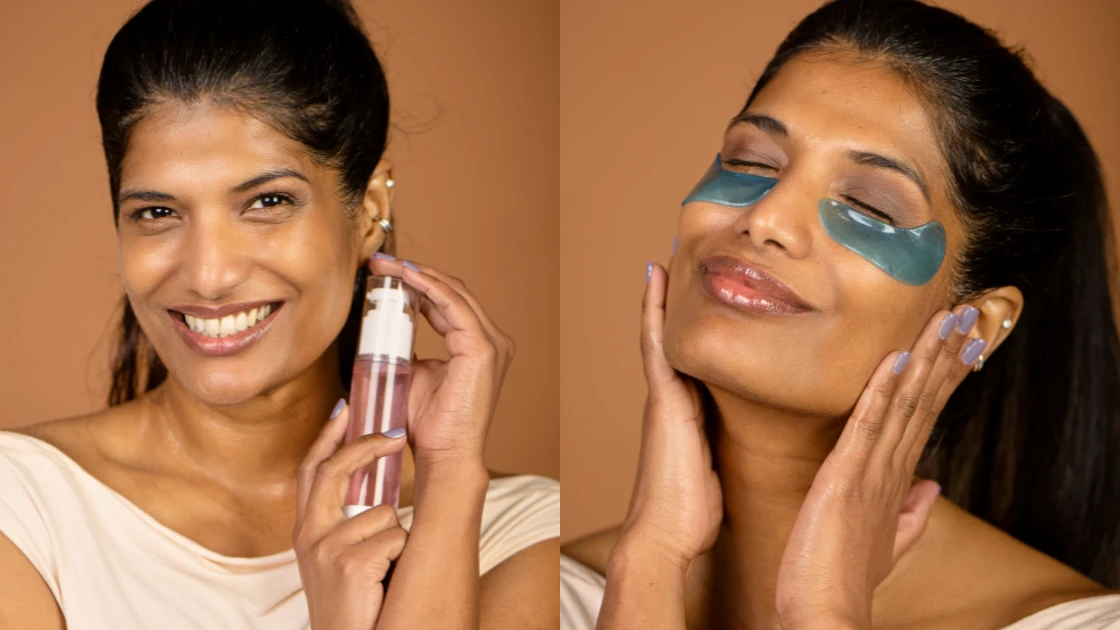
Uneven skin tone doesn't have to be permanent. Asaya's targeted serums address dark spots and pigmentation with clinically-backed actives like Kojic Acid and Alpha Arbutin. See visible fading in weeks, not months. Discover serums formulated specifically for Indian skin tones.
Featured best serum for uneven skin tone Collection
Uneven skin tone is frustrating, especially when mainstream products don't seem to work for your melanin-rich skin. Asaya creates serums specifically designed to tackle dark spots, acne marks, and pigmentation—with ingredients that actually work and timelines that are realistic, not hyped.
Why Your Skin Tone Becomes Uneven
Dark spots and uneven tone happen when your skin produces extra melanin in one spot. Usually it's after a breakout, sun exposure, or irritation. It's totally normal, and very fixable. The key is using the right active ingredients consistently and protecting your skin from further sun damage. That's where a targeted serum comes in—it delivers concentrated doses of proven ingredients directly to the problem areas.
What Makes a Serum Work for Uneven Tone
The best serums for uneven skin tone contain actives that either slow down melanin production or help fade existing pigmentation. Kojic Acid is a gentle depigmenting agent that works by inhibiting tyrosinase, the enzyme responsible for melanin synthesis. Alpha Arbutin is a stable, skin-friendly version of hydroquinone that gradually lightens dark spots. Niacinamide supports skin barrier health while reducing inflammation. Asaya serums combine these actives in concentrations that are effective but not irritating, because irritation actually makes pigmentation worse. Most people see visible fading in about 2-3 weeks with consistent morning and evening use.
How to Use a Pigmentation Serum Correctly
A serum is only as good as your routine. Apply it to clean, dry skin before your moisturizer—this is non-negotiable. Use sunscreen every single day, even indoors, because UV exposure will undo your progress. If you're new to active ingredients, start with 3-4 times a week and build up to daily use if your skin tolerates it. If you experience redness or dryness, scale back frequency. And be patient: dark spots took time to form, so they take time to fade. Consistency over 6-8 weeks will show you real results.
Asaya's Approach to Uneven Tone
Asaya doesn't create one-size-fits-all serums. We formulate for Indian skin specifically—darker tones, prone to post-inflammatory hyperpigmentation, and often dealing with both acne and pigmentation at the same time. Our serums are backed by clinical testing and dermatologist input, not just influencer hype. We're transparent about what each ingredient does, how long results take, and what you should expect. If you've been let down by products that ignore your skin tone, this is a good place to start.
Q: How long does it take to see results from a pigmentation serum?
A: Most people notice visible fading of dark spots within 2-3 weeks of consistent use, morning and evening. Deeper or older spots may take 6-8 weeks. The timeline depends on the depth of pigmentation and how religiously you use sunscreen.
Q: Can I use a pigmentation serum if I have acne-prone skin?
A: Yes. In fact, many Asaya serums are designed for skin that deals with both acne and pigmentation. Look for formulas with Niacinamide, which calms inflammation and supports barrier health. Avoid serums with heavy oils if your skin is very oily, but hydration is important even for acne-prone skin.
Q: Is sunscreen really necessary when using a pigmentation serum?
A: Absolutely. UV exposure triggers melanin production, so without sunscreen, you're undoing the work of your serum. Use SPF 30 or higher every day, reapply every 2 hours if you're outdoors, and consider a mineral sunscreen for extra protection.
Q: What's the difference between Kojic Acid and Alpha Arbutin?
A: Both slow melanin production, but they work slightly differently. Kojic Acid inhibits the enzyme that creates melanin, while Alpha Arbutin is a stable precursor that gradually releases hydroquinone on the skin. Some people respond better to one than the other. If one doesn't show results in 6-8 weeks, switching to the other is worth trying.
Q: Can I layer a pigmentation serum with other actives like Vitamin C or retinol?
A: You can, but be careful. Layering multiple actives increases the risk of irritation, which makes pigmentation worse. If you're using a pigmentation serum, keep your routine simple: cleanser, serum, moisturizer, sunscreen. Add retinol or Vitamin C only after your skin is fully adapted to the pigmentation serum, and use them on alternate nights.
