


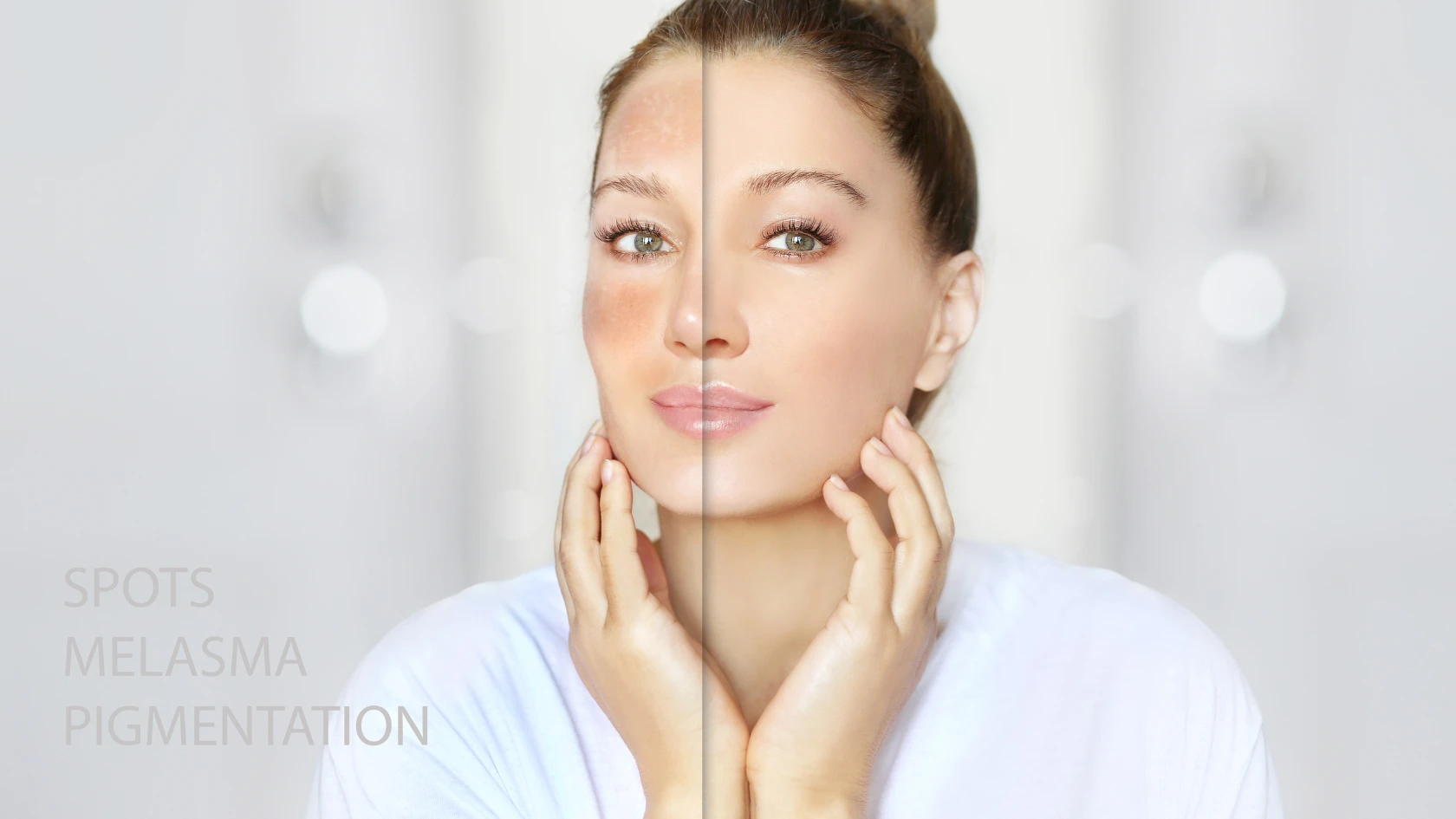
Tired of dark spots and uneven skin tone? Asaya understands. Finding the best serum for pigmentation on your face shouldn't be a guessing game. We know that melanin-rich Indian skin needs targeted solutions, not one-size-fits-all approaches. That's why we focus on ingredients that work effectively and gently to fade those stubborn marks, whether they're from sun exposure, post-acne, or irritation. Our approach is all about visible results, explained clearly, so you know exactly what to expect. We believe in empowering you with knowledge and effective products that fit your life and your budget. Explore our range and discover how to achieve a clearer, more even complexion, the Asaya way. It's time to feel confident in your skin, with a little help from a friend who gets it.
Featured best serum for pigmentation on face Collection
Welcome to Asaya, your trusted source for understanding and treating pigmentation on your face. We know that dealing with dark spots and uneven skin tone can be frustrating, especially when mainstream products don't seem to make a difference. That's why we're here to guide you towards the best serum for pigmentation, tailored for Indian skin tones. Our philosophy is simple: effective, honest skincare that delivers visible results without the hype.
Understanding Pigmentation on Indian Skin
Dark spots, or hyperpigmentation, happen when your skin produces extra melanin in one spot. This is a common concern, particularly for those with melanin-rich skin, and can be triggered by sun exposure, acne breakouts, or even minor skin irritation. It's not about having 'problem' skin; it's about understanding how your skin responds and finding the right way to help it heal and even out. At Asaya, we focus on solutions that address these specific concerns with ingredients known for their efficacy.
What Makes a Serum Effective for Pigmentation?
The best serums for pigmentation work by targeting melanin production and promoting skin cell turnover. Ingredients like Alpha Arbutin, Kojic Acid, and Niacinamide are powerhouses in this regard. Alpha Arbutin helps to gently inhibit melanin production, while Kojic Acid works to break down existing pigment. Niacinamide, a form of Vitamin B3, not only helps fade dark spots but also strengthens the skin barrier and reduces inflammation, which can often be a precursor to pigmentation. We ensure our formulations are designed to deliver these actives effectively, so you see real change.
Your Journey to Even-Toned Skin with Asaya
We believe in a straightforward approach. When you're looking for the best serum for pigmentation on your face, you want clarity and results. Our products are formulated with your skin's unique needs in mind, aiming to visibly fade dark spots and acne marks within weeks of consistent use. We're not about overnight miracles, but about steady, noticeable improvement. Think of us as your knowledgeable friend, explaining the science behind your skin concerns and offering solutions that are both effective and accessible.
Q: What causes dark spots on my face?
A: Dark spots, or hyperpigmentation, are usually caused by an overproduction of melanin in specific areas. Common triggers include sun exposure, acne breakouts (post-inflammatory hyperpigmentation), hormonal changes, and skin inflammation or injury.
Q: How long does it take for a pigmentation serum to show results?
A: While individual results vary, most people start to see visible fading of dark spots within 2-4 weeks of consistent use of an effective serum. Significant improvement is often seen within 8-12 weeks.
Q: Can I use a pigmentation serum if I have sensitive skin?
A: Yes, but it's important to choose serums with gentle yet effective ingredients. Look for formulations that also include soothing agents and start by patch-testing. Ingredients like Niacinamide are often well-tolerated and beneficial for sensitive skin.
Q: Is it safe to use a pigmentation serum every day?
A: For most pigmentation serums, daily use is recommended for best results. However, always follow the specific product instructions. If you experience any irritation, reduce frequency or consult with a skincare professional.
Q: What's the difference between pigmentation and acne scars?
A: Pigmentation refers to discoloration of the skin, like dark spots or melasma. Acne scars are textural changes to the skin's surface, which can be indented (atrophic) or raised (hypertrophic). While some ingredients can help with both, the primary treatment approach might differ.
