


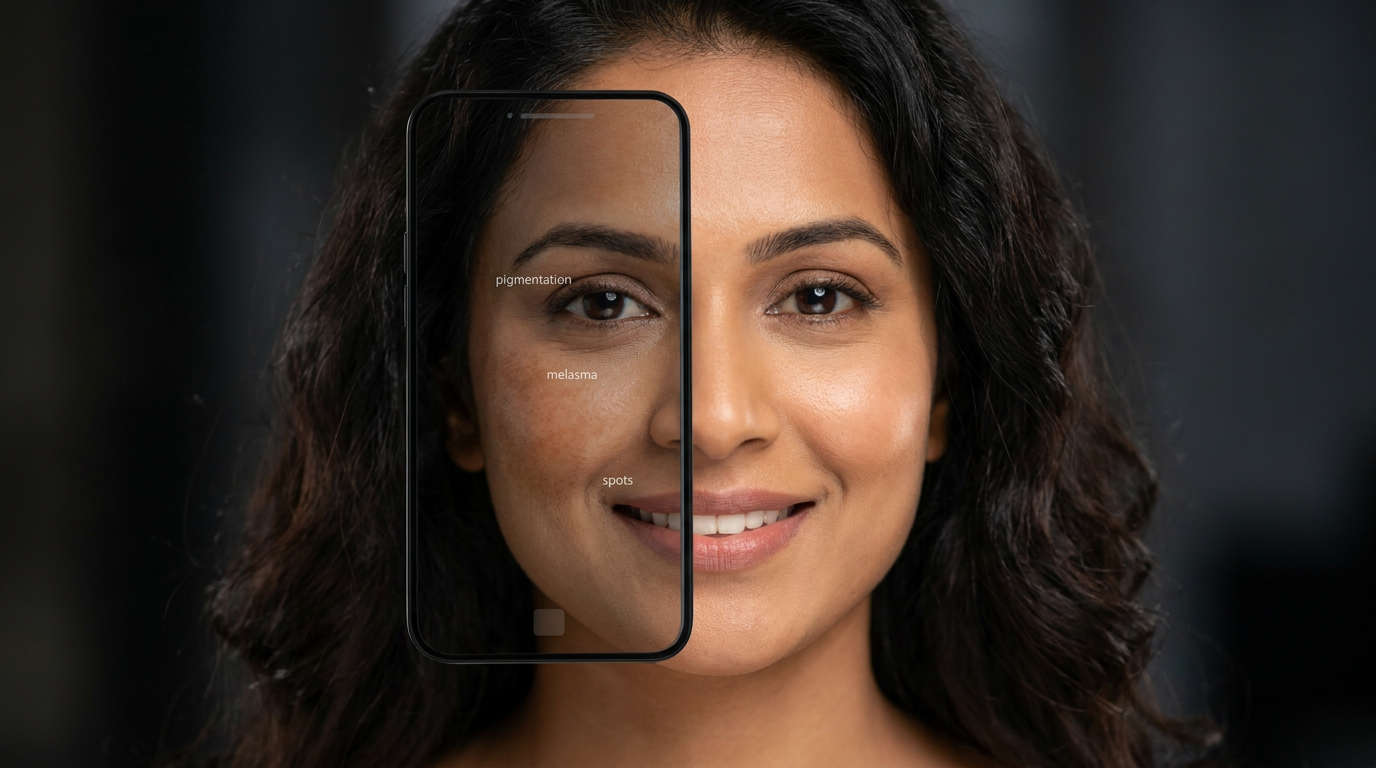
Tired of dark spots and uneven skin tone that just won't budge? Finding effective pigmentation treatment under ₹1600 can feel like a treasure hunt, but Asaya is here to guide you. We understand that Indian skin tones often face unique challenges with hyperpigmentation, and our goal is to offer solutions that are both powerful and accessible. Forget those expensive, one-size-fits-all products that leave you feeling disappointed.
Featured best pigmentation treatment under 1600 Collection
At Asaya, we focus on ingredients and formulations that are proven to work, especially for melanin-rich skin. We believe you shouldn't have to break the bank to see real results. Whether you're dealing with stubborn acne marks, sun spots, or general unevenness, our curated selection aims to bring clarity and radiance back to your complexion. We're all about honest advice and visible progress, so you can feel confident in your skin. Explore our range and discover how effective skincare can be within your budget. It's time to embrace your natural glow with treatments that truly understand your skin.
Understanding Pigmentation on Indian Skin
Dark spots and uneven skin tone are common concerns, particularly for those with melanin-rich skin. Factors like sun exposure, post-acne marks, and inflammation can trigger an overproduction of melanin, leading to these visible changes. At Asaya, we focus on ingredients that gently yet effectively target these concerns, helping to fade dark spots and restore a more even complexion.
Effective Ingredients for Fading Dark Spots
When looking for pigmentation treatment under ₹1600, key ingredients to seek out include Niacinamide, Alpha Arbutin, and Kojic Acid. Niacinamide helps to reduce inflammation and improve skin barrier function, while Alpha Arbutin and Kojic Acid are known for their ability to inhibit melanin production. These actives, when used consistently, can make a significant difference in the appearance of dark spots and hyperpigmentation.
Building an Affordable Skincare Routine
Creating an effective routine doesn't require a huge budget. Start with a gentle cleanser, a targeted serum with proven actives for pigmentation, and a broad-spectrum sunscreen. Sun protection is crucial, as UV exposure can worsen existing dark spots and lead to new ones. By focusing on these core steps and choosing products wisely, you can achieve brighter, clearer skin without overspending.
Q: What causes dark spots on Indian skin?
A: Dark spots on Indian skin are often caused by an overproduction of melanin, triggered by factors like sun exposure, acne inflammation, hormonal changes, or skin injuries. Melanin is the pigment that gives skin its color, and its uneven distribution leads to hyperpigmentation.
Q: How long does it take to see results from pigmentation treatments?
A: Consistency is key. While some may see initial improvements in a couple of weeks, it typically takes 4-12 weeks of consistent use to see significant fading of dark spots. This is because it takes time for the skin to shed pigmented cells and for new, evenly toned skin to emerge.
Q: Are there any side effects to using pigmentation treatments?
A: Some ingredients, like retinoids or certain acids, can cause mild irritation, redness, or peeling, especially when first starting. It's always recommended to patch-test new products and introduce actives gradually. Sunscreen is essential to prevent further irritation and sun damage.
Q: Can I use pigmentation treatments if I have sensitive skin?
A: Yes, but with caution. Look for products formulated with gentler actives like Alpha Arbutin or Niacinamide and always patch-test. Avoid harsh exfoliants or high concentrations of actives initially. Consulting a dermatologist can also provide personalized recommendations for sensitive skin.
Q: What's the difference between pigmentation and acne scars?
A: Pigmentation refers to changes in skin color, such as dark spots or melasma. Acne scars, on the other hand, are textural changes in the skin caused by acne, which can be indented (atrophic) or raised (hypertrophic). While some treatments can address both, they are distinct concerns.
