


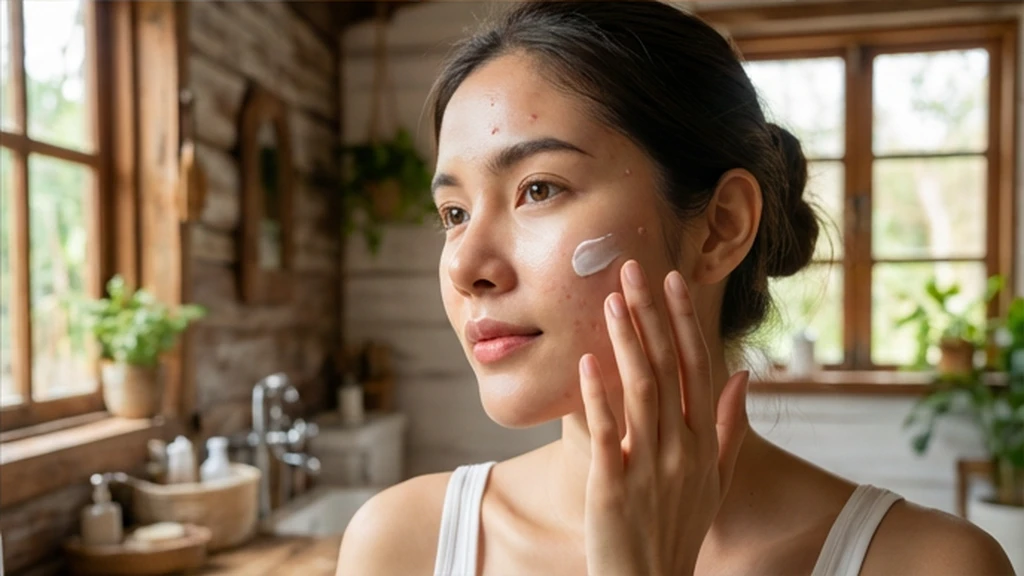
Acne-prone skin needs hydration without the breakouts. Asaya's lightweight, non-comedogenic moisturizers balance oil control with nourishment, using actives like niacinamide to calm irritation and strengthen your skin barrier. Find the right moisturizer for your acne without the guesswork.
Featured best moisturizer for acne-prone skin Collection
If you have acne-prone skin, finding a moisturizer feels impossible. You need hydration, but most creams either clog your pores or leave you greasy. Asaya understands this frustration. We've formulated moisturizers specifically for acne-prone, melanin-rich skin that hydrate without triggering breakouts.
Why Acne-Prone Skin Still Needs Moisturizer
Here's the thing: acne happens when your skin is either too dry or too oily, or sometimes both at once. When you strip away all moisture with harsh treatments, your skin overcompensates by producing extra sebum. That leads to more breakouts. A good moisturizer balances hydration, supports your skin barrier, and actually helps reduce inflammation. You're not choosing between clear skin and hydrated skin—you need both.
What to Look for in a Moisturizer for Acne
The best moisturizer for acne-prone skin is lightweight, non-comedogenic (won't clog pores), and contains actives that calm inflammation. Niacinamide is your friend here—it reduces sebum production, strengthens your barrier, and has anti-inflammatory properties. Look for gel or lotion textures over heavy creams. Avoid oils and silicones if they trigger you. And always patch-test first, especially if your skin is sensitive or reactive right now.
How Long Before You See Results
Moisturizing is preventative and supportive, not a quick fix. You'll notice less irritation and redness within a week of consistent use. Your skin barrier will feel stronger—less tight, less reactive. If you're using acne treatments like salicylic acid or benzoyl peroxide, a good moisturizer makes those work better because your skin isn't compromised. Breakouts take time to heal, but a solid routine stops new ones from forming as easily.
Asaya's Approach to Acne-Prone Skin
We don't believe in one-size-fits-all skincare. Acne on Indian, melanin-rich skin is different—it leaves marks, dark spots, and scars more easily. Our moisturizers are formulated to hydrate without triggering breakouts, while supporting your skin's natural healing. We back every claim with dermatologist testing and real customer results, not just promises.
Q: Can I use a moisturizer if I have active acne?
A: Yes, absolutely. A lightweight, non-comedogenic moisturizer actually helps active acne heal faster by supporting your skin barrier. Skip heavy creams and oil-based products, but don't skip hydration altogether.
Q: Will moisturizer make my acne worse?
A: Not if you choose the right one. The wrong moisturizer—one that's too heavy, too oily, or contains pore-clogging ingredients—can trigger breakouts. That's why texture and ingredient list matter. Gel moisturizers and lotions with niacinamide are usually safer for acne-prone skin.
Q: How often should I moisturize acne-prone skin?
A: Twice daily, morning and night. Use it after your acne treatment (like salicylic acid or benzoyl peroxide) to buffer irritation and keep your barrier healthy. Consistent hydration prevents your skin from overproducing oil.
Q: Can I use moisturizer with acne treatments like benzoyl peroxide?
A: Yes. In fact, you should. Benzoyl peroxide and salicylic acid are drying. Applying moisturizer after these treatments reduces irritation, redness, and peeling, making them more tolerable and effective long-term.
Q: What ingredients should I avoid in a moisturizer for acne?
A: Avoid heavy oils, silicones (if they trigger you), fragrance, and thick waxes. Look instead for non-comedogenic oils like squalane, hydrating humectants like glycerin, and calming actives like niacinamide, centella asiatica, or allantoin.
