


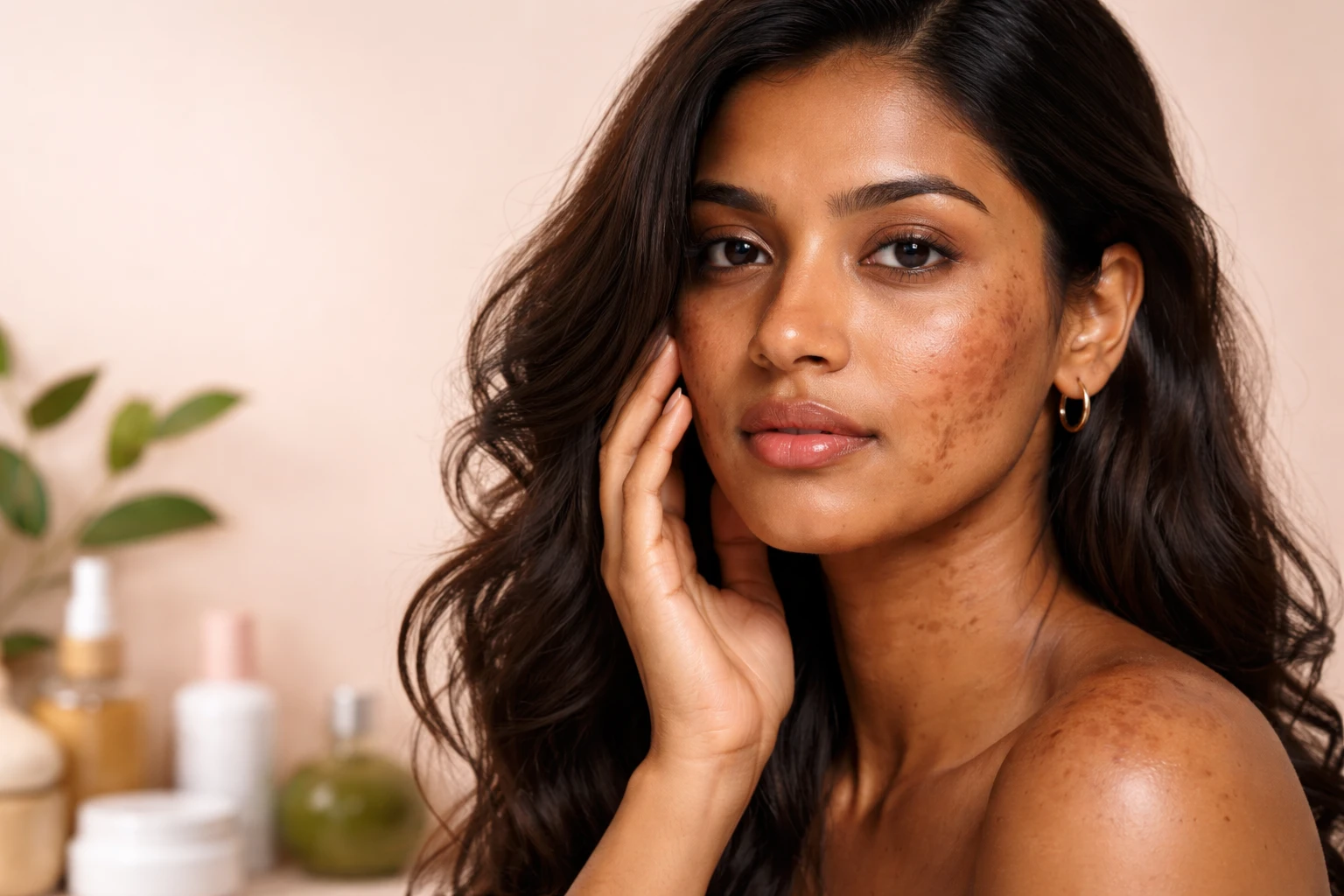
Post-inflammatory hyperpigmentation (PIH) is stubborn, but it's treatable. Asaya breaks down the ingredients that actually work—Kojic Acid, Alpha Arbutin, Niacinamide, and more—with the science behind each one and realistic timelines for seeing results on Indian skin tones.
Featured best ingredients for PIH Collection
Post-inflammatory hyperpigmentation (PIH) is one of the most frustrating skin concerns, especially if you're dealing with melanin-rich skin. After a breakout clears or an irritation heals, dark marks linger for weeks or months. Asaya is here to help you understand which ingredients actually fade PIH and how to use them effectively.
What Is Post-Inflammatory Hyperpigmentation and Why Does It Happen?
PIH occurs when your skin produces extra melanin as part of the healing process after inflammation—acne, eczema, a cut, or even aggressive exfoliation can trigger it. Your skin isn't damaged; it's just overproducing pigment in that spot. The good news: it fades on its own eventually, but the right ingredients speed up the process significantly. On deeper skin tones, PIH is more visible and can take longer to resolve, which is why targeted treatment matters.
Kojic Acid: The Melanin Blocker
Kojic Acid works by inhibiting tyrosinase, the enzyme responsible for melanin production. It doesn't bleach your skin; it simply tells your melanocytes to produce less pigment. Most people see visible fading in 4 to 8 weeks with consistent use, though some notice results earlier. It's gentle enough for daily use and plays well with other actives. If you have sensitive skin, start with 2 to 3 times a week and build up tolerance.
Alpha Arbutin: Gentle and Effective
Alpha Arbutin is a plant-derived ingredient that converts to hydroquinone in your skin—the gold standard for pigmentation. It's milder than hydroquinone but still powerful. You'll typically see fading in 6 to 12 weeks, depending on how stubborn your marks are. It's hydrating and less likely to irritate than some stronger actives, making it ideal if you're new to treating PIH or have reactive skin.
Niacinamide: The Skin Barrier Protector
Niacinamide doesn't directly fade dark spots, but it strengthens your skin barrier and reduces inflammation, which means faster healing overall. It also has mild depigmenting properties and pairs beautifully with Kojic Acid or Alpha Arbutin. Use it as a supporting player in your routine—it keeps your skin calm while other actives do the heavy lifting.
Vitamin C: Antioxidant and Brightener
Stabilized Vitamin C (like L-ascorbic acid or SAP) brightens and evens tone while protecting against UV damage that can darken existing marks. It works synergistically with other depigmenting actives and takes about 8 to 12 weeks to show results. Use it in the morning under sunscreen for best results.
Q: How long does it actually take to see PIH fade?
A: Realistic timeline depends on the ingredient and your skin. Kojic Acid and Alpha Arbutin typically show visible fading in 4 to 8 weeks with daily use. Deeper or older marks may take 12+ weeks. Consistency matters more than speed—skipping days resets your progress.
Q: Can I use multiple depigmenting ingredients at once?
A: Yes, but introduce them one at a time. Start with one active (Kojic Acid or Alpha Arbutin) for 2 to 3 weeks, then add a second if your skin tolerates the first well. Layering too many actives at once risks irritation, which can actually worsen PIH.
Q: Does sunscreen really matter if I'm treating PIH?
A: Absolutely. UV exposure darkens existing marks and can trigger more PIH if your skin is inflamed. SPF 30+ daily is non-negotiable. Without it, even the best ingredients will work against sun damage.
Q: Will PIH fade on its own without treatment?
A: Yes, but slowly—usually 6 to 12 months or longer on deeper skin tones. Active treatment with the right ingredients speeds this up to 8 to 16 weeks, which is why most people don't want to wait.
Q: Are these ingredients safe for Indian skin tones?
A: Yes. Kojic Acid, Alpha Arbutin, and Niacinamide are formulated to work on all skin tones, including melanin-rich skin. The key is choosing concentrations and formulations designed for your skin type and sensitivity level, not generic one-size-fits-all products.
