


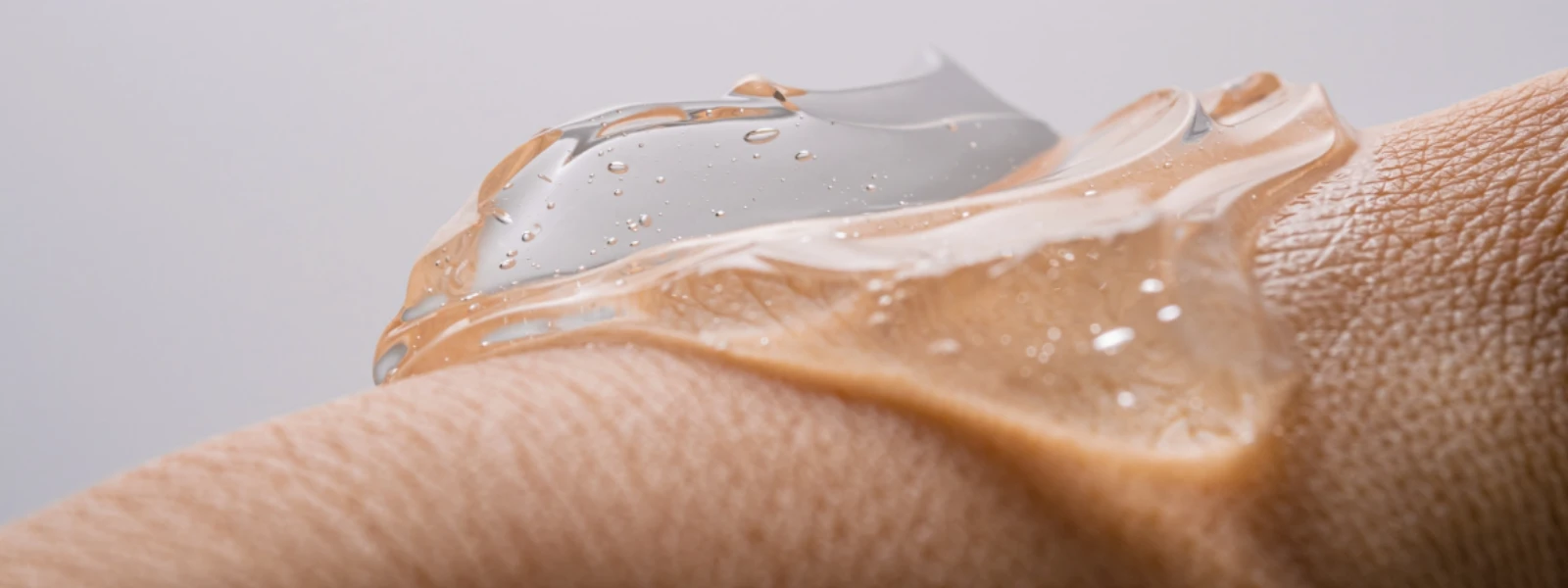
Find the best gel moisturizer for acne-prone skin that won't clog pores or trigger breakouts. Asaya's lightweight, clinically-tested formulas are designed specifically for oily and acne-prone skin types. Learn what makes a gel moisturizer effective, how to choose the right one, and discover products backed by real results—not promises.
Featured best gel moisturizer for acne-prone skin Collection
If you have acne-prone skin, finding a moisturizer that actually works without making things worse can feel impossible. Most creams are too heavy, most gels are too drying, and most brands don't seem to understand that acne-prone skin still needs hydration. Asaya's gel moisturizers are built for exactly this—lightweight hydration that calms inflammation, supports your skin barrier, and lets your acne treatments do their job.
Why Acne-Prone Skin Needs a Gel Moisturizer
When you're treating acne with actives like salicylic acid, benzoyl peroxide, or retinoids, your skin gets irritated and dehydrated. A lot of people skip moisturizer altogether, thinking it will make breakouts worse. That's the opposite of what your skin needs. Dehydrated skin gets angry—it produces more oil, becomes more irritable, and actually breaks out more. A good gel moisturizer hydrates without adding occlusive layers that trap bacteria or clog pores. It's the difference between your skin feeling tight and uncomfortable versus calm and balanced.
What to Look for in a Gel Moisturizer for Acne
The best gel moisturizers for acne-prone skin contain humectants like glycerin and hyaluronic acid, which draw water into your skin without feeling heavy. Look for ingredients that also calm inflammation—niacinamide reduces sebum production and redness, while centella asiatica soothes irritated skin. Avoid heavy oils, silicones that can trap bacteria, and fragrance. If your skin is also dealing with dark spots or post-acne marks, ingredients like alpha arbutin or kojic acid in your moisturizer can work alongside your acne treatment to fade discoloration over time. The texture should feel like nothing—absorbs fast, no residue, no greasiness.
How to Use a Gel Moisturizer in Your Acne Routine
Apply your gel moisturizer while your skin is still slightly damp after cleansing. This helps lock in hydration. If you're using prescription acne treatments or strong actives, wait until they're fully dry before applying moisturizer—this prevents dilution and maintains efficacy. Use it morning and night. If your skin feels tight or irritated mid-treatment, don't skip the moisturizer or use less. Instead, use more. Your skin barrier needs support, especially when you're actively treating acne. Most people see calmer, less irritated skin within a week of consistent use.
Acne-Prone Skin and Dark Spots: A Dual Approach
If you're dealing with both active acne and post-acne dark spots, your moisturizer can be part of the solution. A gel moisturizer with brightening actives like alpha arbutin or niacinamide supports your skin while you treat breakouts. Once active acne is under control, these ingredients continue to fade marks and even out tone. The key is consistency—dark spots fade slowly, usually within 4 to 8 weeks of regular use. Pair your moisturizer with a good sunscreen (SPF 30 minimum) to prevent new marks from forming and to stop existing ones from getting darker.
Q: Will a gel moisturizer make my acne worse?
A: No, if you choose the right one. A lightweight gel with non-comedogenic ingredients won't clog pores. In fact, skipping moisturizer when you're treating acne often makes breakouts worse because dehydrated skin gets angry. The key is avoiding heavy creams, oils, and occlusive silicones.
Q: How long does it take to see results?
A: Most people notice their skin feels calmer and less irritated within a week. If your moisturizer has brightening actives for dark spots, visible fading usually takes 4 to 8 weeks of consistent use. Acne itself improves based on your treatment plan, not just the moisturizer.
Q: Can I use a gel moisturizer with my acne treatment?
A: Yes, absolutely. In fact, you should. Acne treatments like salicylic acid and retinoids are drying. A gel moisturizer supports your skin barrier, reduces irritation, and actually makes your acne treatment more effective because your skin isn't too irritated to heal.
Q: What's the difference between a gel and a cream moisturizer?
A: Gels are water-based and absorb quickly without leaving a heavy residue. Creams are thicker and more occlusive, which can trap bacteria and clog pores on acne-prone skin. For acne-prone skin, gels are almost always the better choice.
Q: Should I use sunscreen if I'm using a gel moisturizer?
A: Yes, every day. Sunscreen is non-negotiable, especially if you're treating acne or fading dark spots. UV exposure makes dark spots darker and can trigger new breakouts. Use a lightweight, non-comedogenic sunscreen over your gel moisturizer in the morning.
