


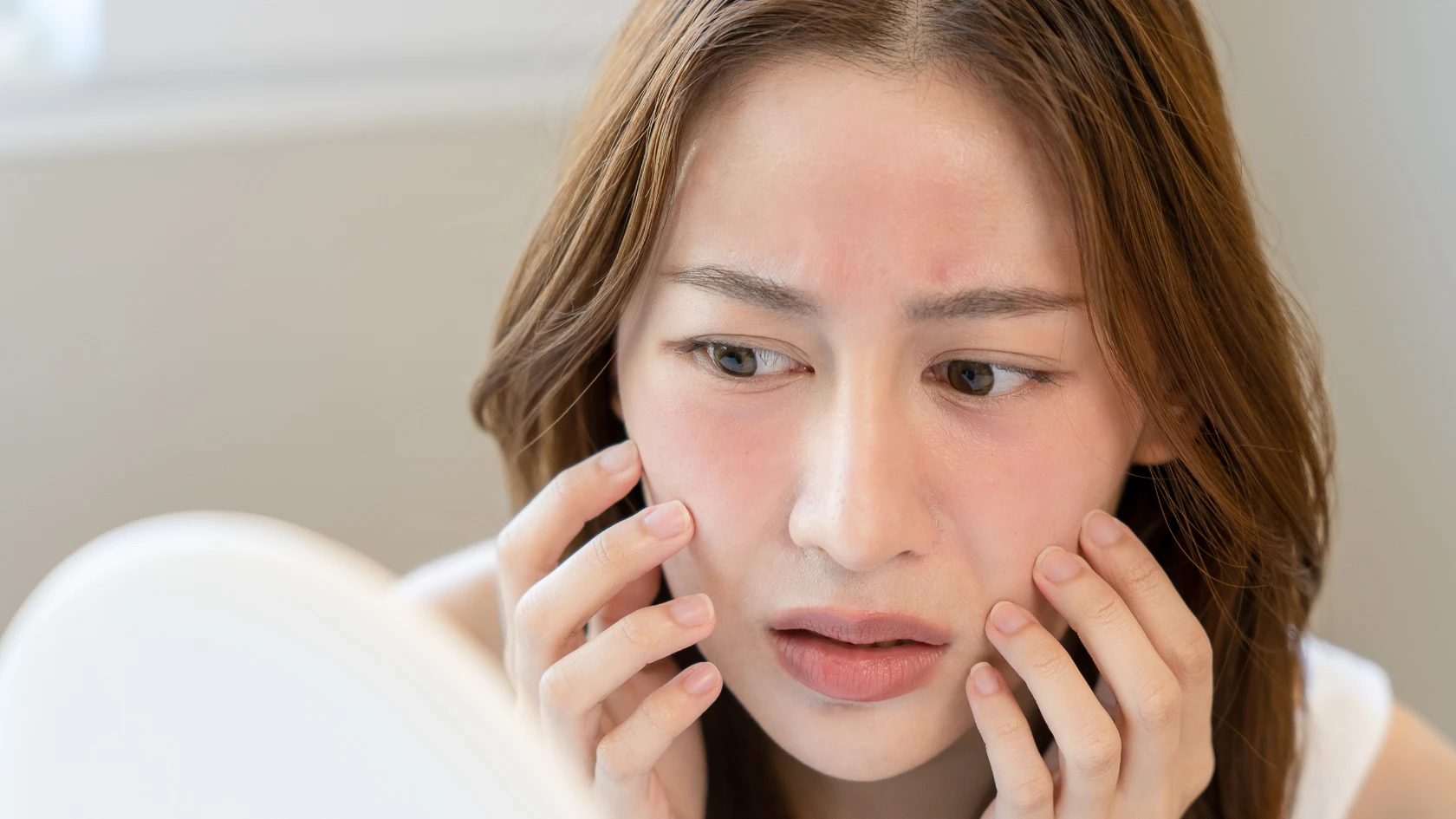
Got an event coming up and sensitive skin that doesn't take well to harsh scrubs? You're not alone. The right exfoliant can make a real difference — smoother texture, more even tone, less dullness — without the redness or irritation that sets sensitive skin off. At Asaya, we've put together a guide to the gentlest, most effective exfoliants that actually work for Indian skin before a big day. No over-promising, just what works, why it works, and how to use it safely.
Featured best exfoliants for sensitive skin before events Collection
At Asaya, we know that prepping sensitive skin before an event can feel like walking a tightrope. Exfoliate too aggressively and you're dealing with redness on the day. Skip it entirely and your skin looks dull under any lighting. This guide breaks down the best exfoliants for sensitive skin before events — what to use, when to use it, and what to avoid so your skin shows up looking its best.
Why Exfoliation Matters Before an Event
Dead skin cells sit on the surface and make your complexion look flat and uneven. Exfoliating removes that layer so your skin reflects light better, absorbs moisturiser more effectively, and looks noticeably smoother. For Indian skin dealing with dark spots or post-acne marks, regular gentle exfoliation also helps actives like Niacinamide and Alpha Arbutin penetrate better and work faster. The key word before an event, though, is gentle. You want results without the risk of a reaction the night before something important.
The Gentlest Exfoliants That Actually Work for Sensitive Skin
Not all exfoliants are created equal. For sensitive skin, chemical exfoliants tend to be far kinder than physical scrubs, which can cause micro-tears and irritation. Here's what works well. Lactic Acid is one of the mildest AHAs — it exfoliates the surface while also drawing moisture in, which makes it a good fit for skin that gets dry or reactive. Mandelic Acid has a larger molecular size, so it works more slowly and is less likely to cause irritation, making it a solid option for melanin-rich skin that's prone to post-inflammatory hyperpigmentation. PHAs like Gluconolactone are the gentlest of the lot — they exfoliate without penetrating deeply, so they're well-tolerated even by very reactive skin. If you prefer something physical, a soft enzyme-based exfoliant (papaya or pineapple enzymes) dissolves dead skin without any scrubbing friction.
How to Time Your Exfoliation Before an Event
Timing matters as much as the product you choose. Exfoliating the night before an event is generally safe if you're using a mild acid or enzyme exfoliant you've used before. Avoid trying anything new within 48 hours of an event — your skin needs time to show you how it responds. If you're new to exfoliating, start two to three weeks before your event, once or twice a week, so your skin has time to adjust and you can see results without any last-minute surprises. After exfoliating, always follow with a good moisturiser and SPF the next morning. Freshly exfoliated skin is more sensitive to sun exposure, and skipping SPF can undo the work you've just done.
What to Avoid If You Have Sensitive Skin
A few things are worth steering clear of, especially close to an event. Avoid high-strength AHAs like Glycolic Acid at concentrations above 10% — they work well for many skin types but can be too aggressive for sensitive skin. Skip physical scrubs with rough particles like walnut shell or sugar, which can cause irritation and small tears in the skin barrier. Don't layer multiple exfoliants in one routine — one is enough. And if your skin is already irritated, broken out, or sunburnt, hold off on exfoliating entirely until it's calmed down. Sensitive skin responds best to consistency and patience, not intensity.
Q: How soon before an event should I exfoliate?
A: The night before is fine if you're using a mild exfoliant you've used before. If you're trying something new, give yourself at least a week so you can see how your skin responds and let any redness settle before the day.
Q: Can I exfoliate if I have active breakouts?
A: It depends on the exfoliant. A gentle BHA like Salicylic Acid can actually help with active breakouts because it works inside the pore. But avoid physical scrubs or strong AHAs on broken or inflamed skin — they'll make things worse, not better.
Q: Is it safe to exfoliate dark or melanin-rich skin before an event?
A: Yes, but choose your exfoliant carefully. Melanin-rich skin is more prone to post-inflammatory hyperpigmentation, which means harsh exfoliants can leave behind new dark spots. Mandelic Acid and PHAs are gentler options that are less likely to trigger that response.
Q: Do I need to moisturise after exfoliating?
A: Always. Exfoliation removes the top layer of dead skin, which temporarily makes your skin more vulnerable to moisture loss. Following up with a good moisturiser helps your skin barrier recover and keeps your skin looking plump and smooth rather than tight or dry.
Q: How often should someone with sensitive skin exfoliate?
A: Once or twice a week is usually enough for sensitive skin. More frequent exfoliation doesn't speed up results — it just increases the chance of irritation. Start with once a week, see how your skin responds, and adjust from there.
