


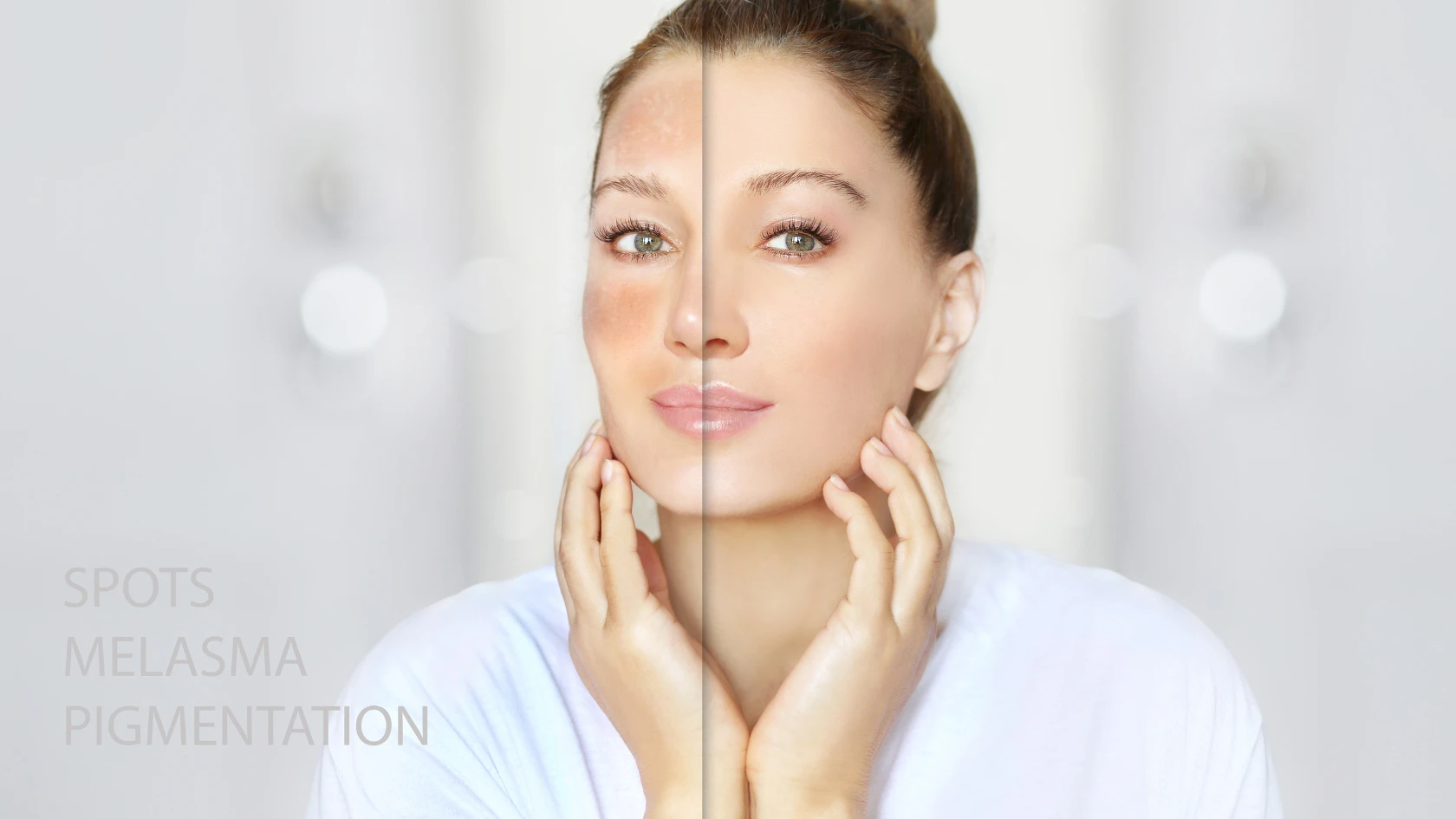
Dark spots and uneven tone on your body don't need to stay. Asaya's AHA and PHA formulations work to gently exfoliate and fade pigmentation on body skin. Clinically-backed actives, designed for Indian skin tones. See visible results in weeks with consistent use—no harsh scrubbing, no guesswork.
Featured AHA PHA for body pigmentation Collection
If you've been dealing with dark spots, acne marks, and uneven tone on your body, you're not alone. Asaya created AHA and PHA solutions specifically for body pigmentation because your body skin deserves the same targeted care as your face.
What Are AHA and PHA, and Why Do They Work for Body Pigmentation?
AHA (Alpha Hydroxy Acid) and PHA (Poly Hydroxy Acid) are chemical exfoliants that work differently than physical scrubs. Instead of rough friction, they gently dissolve the bonds between dead skin cells, revealing fresher, clearer skin underneath. For dark spots and pigmentation, this matters because the discoloration often sits in the outermost layers of skin. By exfoliating consistently, you're helping your skin shed those pigmented cells and bring new, evenly-toned skin to the surface. AHAs penetrate slightly deeper, making them ideal for stubborn marks, while PHAs are gentler and work well for sensitive areas. Both are backed by dermatological research and proven effective on melanin-rich skin tones.
How Long Does It Take to See Results on Body Pigmentation?
Dark spots take time to form, so they take time to fade too. Most people see visible lightening within 2 to 3 weeks of consistent use, with more dramatic fading by 6 to 8 weeks. The timeline depends on how deep the pigmentation is, how long it's been there, and how regularly you use the product. If you're using an AHA or PHA serum or body treatment 3 to 4 times a week, you're giving your skin the steady exfoliation it needs. Patience here pays off—rushing or over-exfoliating can irritate skin and actually slow progress.
AHA vs. PHA: Which One Should You Choose?
AHA (like glycolic acid) is stronger and faster-acting, making it better if you have stubborn, deep pigmentation or acne scars on your body. It works well on tougher body skin. PHA (like gluconolactone) is gentler and more hydrating, making it ideal if your skin is sensitive, reactive, or if you're new to chemical exfoliants. Some people alternate between the two—AHA a few times a week, PHA on other days—to get both efficacy and comfort. Start with whichever matches your skin's current sensitivity, and you can always adjust.
How to Use AHA and PHA for Best Results
Apply to clean, dry skin once or twice daily, depending on your skin's tolerance. Start with 2 to 3 times a week if you're new to exfoliants, then build up to daily use as your skin adapts. Follow with a hydrating moisturizer and always wear SPF 30+ during the day—exfoliated skin is more sun-sensitive, and sun exposure can actually darken pigmentation and undo your progress. If you notice irritation, redness, or dryness, scale back to 2 to 3 times weekly and give your skin a break day between applications.
Q: Can I use AHA or PHA on all body areas?
A: Yes, but be mindful of sensitive areas like the inner arms, underarms, and chest. These areas have thinner skin, so start with PHA or lower concentrations of AHA. If you're treating pigmentation on hands, neck, or décolletage, these areas show age and sun damage quickly, so consistent use here pays off visibly.
Q: Will AHA or PHA make my skin dry or irritated?
A: Chemical exfoliants can cause dryness or mild irritation if overused or if your skin barrier is compromised. Start low and go slow—use 2 to 3 times weekly, follow with a good moisturizer, and skip other active ingredients (like vitamin C or retinol) on exfoliant days. If irritation persists, give your skin a week off and reintroduce at a lower frequency.
Q: Can I combine AHA or PHA with other skincare actives?
A: Mixing actives can irritate skin. On days you use AHA or PHA, skip other exfoliants, vitamin C serums, and retinoids. Use them on separate days—for example, AHA three times a week, retinol twice a week. This keeps your skin barrier healthy and prevents overexfoliation.
Q: How do I know if the pigmentation is actually fading or if it's just my skin looking brighter?
A: Take a photo in natural light before you start, then compare weekly. You'll notice the spots themselves look lighter, not just your overall skin tone brighter. The darkness of the spot diminishes, the edges soften, and it blends more with surrounding skin. If you're not seeing any lightening by week 4, you may need a higher concentration or more frequent use—consult a dermatologist if progress stalls.
Q: Is it safe to use AHA or PHA if I have active breakouts or open wounds?
A: No. Wait until active breakouts have healed and skin is intact. Chemical exfoliants on open wounds or inflamed skin can cause stinging, increased irritation, and slower healing. Once breakouts have calmed and closed, you can start using AHA or PHA to fade the marks they leave behind.
