


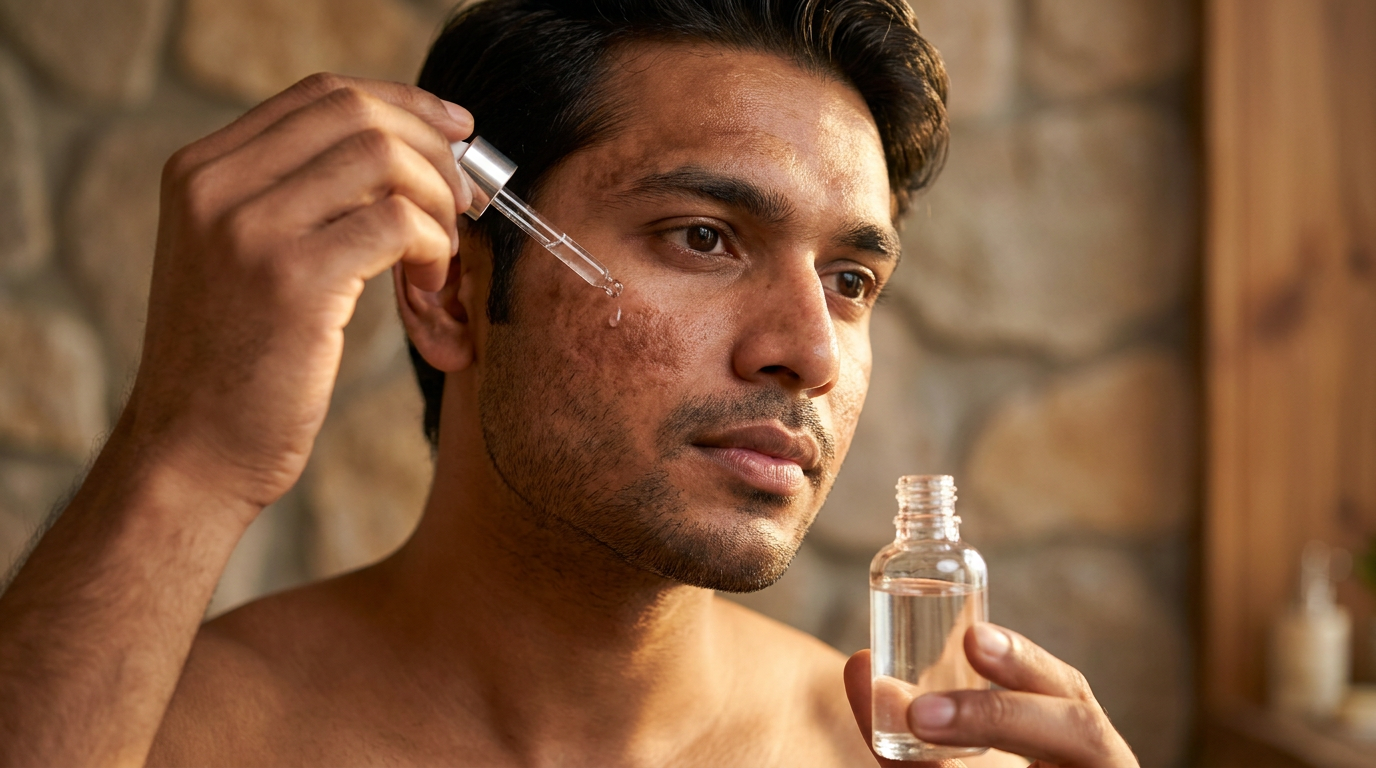
Acne scars are stubborn, and not every cream can fade them. Learn what actually works, which ingredients matter, and how long real results take. Asaya breaks down the science behind scar creams so you can make an informed choice for your skin.
Featured acne scar creams do they work Collection
Acne scars can feel permanent, but the right approach—backed by the right ingredients—can make a real difference. Asaya is here to answer the question everyone asks: do acne scar creams actually work? The short answer is yes, but with caveats. Not all creams are created equal, and results depend on the type of scar, the actives in the formula, and your consistency. Let's break down what you need to know.
What Actually Causes Acne Scars
Acne scars form when deep inflammation damages the skin's collagen structure. When a breakout heals, sometimes the skin doesn't rebuild evenly—it either leaves a depression (atrophic scar) or raised tissue (hypertrophic scar). Topical creams work best on shallow scars and discoloration; deeper pitting usually needs professional treatments like microneedling or laser therapy. The good news? Most acne scars fall somewhere in the middle, where the right cream can genuinely help fade appearance and improve texture over time.
Which Ingredients Actually Work on Scars
Not every ingredient targets scars the same way. Niacinamide strengthens skin barrier and reduces inflammation, making scars less angry-looking. Peptides support collagen production, which helps fill in shallow depressions gradually. Retinol speeds up cell turnover and boosts collagen remodeling—this is why it's a go-to for scar fading. Alpha hydroxy acids (AHAs) and beta hydroxy acids (BHAs) exfoliate the surface, smoothing texture and making scars appear less pronounced. Vitamin C brightens post-inflammatory hyperpigmentation that often lingers after scars. The key is consistency: these actives work slowly but steadily, usually showing visible improvement in 8–12 weeks with daily use.
The Reality of Timeline and Results
Here's where honesty matters: acne scar creams don't erase scars in weeks. Shallow scars and discoloration fade noticeably in 6–8 weeks with the right formula and daily application. Deeper scars take 3–6 months to show meaningful improvement. Atrophic (pitted) scars respond slower than post-inflammatory marks because they require actual collagen rebuilding, not just surface healing. If you're not seeing any change after 3 months, your scar might be too deep for topical treatment alone—that's when you talk to a dermatologist about professional options. But if your scars are mild to moderate, a well-formulated cream with proven actives can absolutely help.
How to Actually Use Scar Creams for Best Results
Consistency beats perfection. Use your scar cream twice daily—morning and night—on clean, dry skin. Layer it under sunscreen during the day (sun exposure can darken scars and slow fading). If you're using actives like retinol, start slow to avoid irritation. Pair your scar cream with a good sunscreen; UV exposure undoes progress faster than you'd think. Don't expect overnight results, but do expect to notice smoother texture and faded appearance within 6–8 weeks if you're diligent. Keep a photo record—sometimes the change is gradual enough that you miss it day-to-day.
Q: Can a cream alone get rid of deep acne scars?
A: No. Deep, pitted scars need professional treatments like microneedling, laser resurfacing, or subcision. Topical creams work best on shallow scars, discoloration, and texture issues. If your scar is deep enough to catch your fingernail, talk to a dermatologist about combination approaches.
Q: How long do I need to use a scar cream to see results?
A: Most people see visible fading in 6–8 weeks with consistent twice-daily use. Deeper scars may take 3–6 months. If you don't see any change after 12 weeks, the scar might not respond well to topical treatment alone.
Q: Can I use a scar cream if I have active acne?
A: It depends on the cream and your acne. If it contains retinol or strong exfoliants, hold off until your acne is under control—these can irritate inflamed skin. Focus on treating active breakouts first, then move to scar creams once your skin has healed.
Q: Do scar creams work on all skin tones?
A: Yes, but results are most visible on darker skin tones because post-inflammatory hyperpigmentation (the darkening left after a scar) is more common and noticeable. Asaya formulations are designed with melanin-rich skin in mind, so fading is real and measurable.
Q: What's the difference between a scar cream and a regular moisturizer?
A: A scar cream contains active ingredients like retinol, peptides, or AHAs that specifically target collagen remodeling and cell turnover. A regular moisturizer hydrates but doesn't address the underlying scar structure. For actual fading, you need the actives.
