


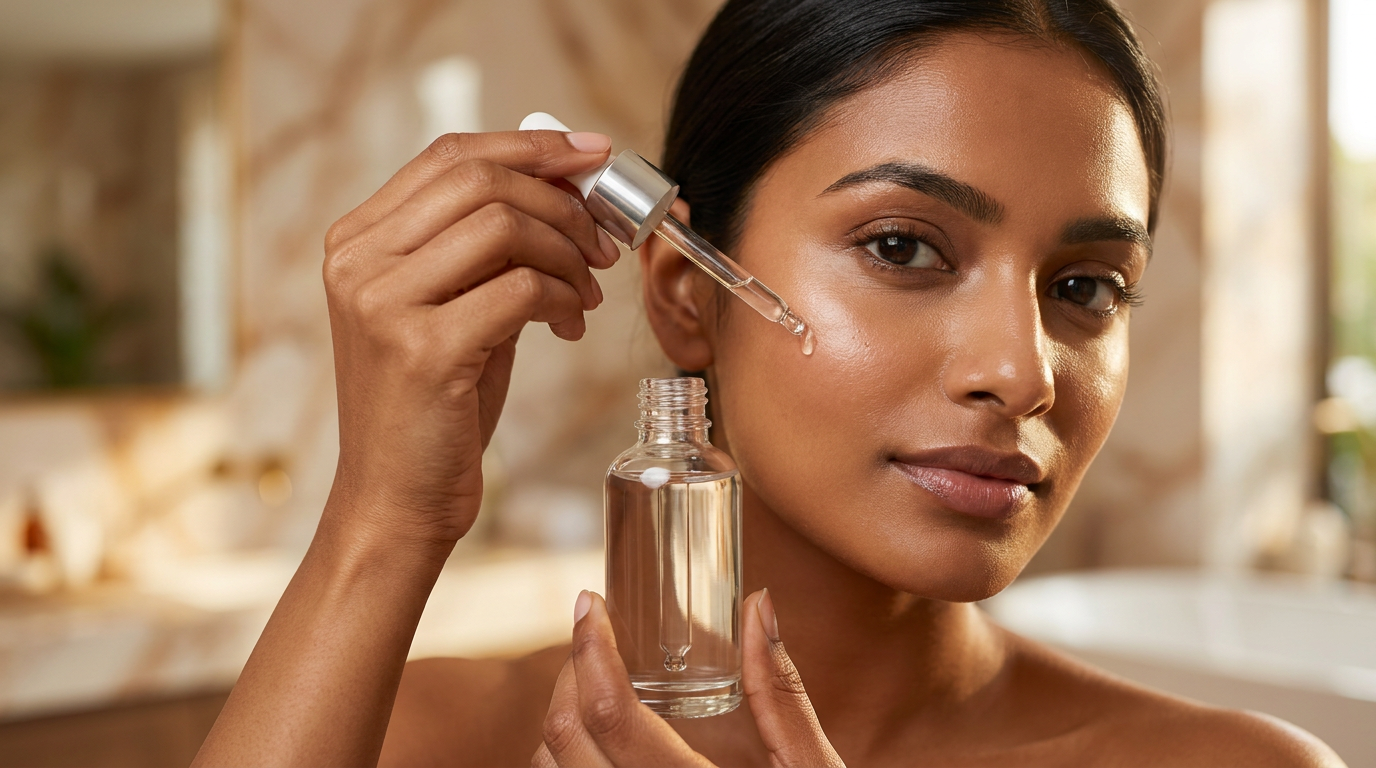
Asaya's Kojic Acid Face Serum targets dark spots and uneven tone with clinical precision. Formulated for melanin-rich Indian skin, this serum combines kojic acid with complementary actives to visibly fade pigmentation in weeks. Dermatologist-backed, dermat-tested, and designed for real results without the luxury price tag.
Featured 2% kojic acid face serum Collection
Dark spots are frustrating, especially when you've tried everything and nothing seems to work. Asaya's Kojic Acid Face Serum is designed specifically for melanin-rich Indian skin—the kind of skin that gets overlooked by one-size-fits-all Western skincare. This serum combines kojic acid, a proven skin-lightening active, with complementary ingredients to fade dark spots, acne marks, and uneven tone without irritation or the dermatologist price tag.
How Kojic Acid Works on Dark Spots
Dark spots happen when your skin produces extra melanin in one spot, usually after a breakout, sun exposure, or irritation. Kojic acid works by inhibiting tyrosinase, an enzyme that triggers melanin production. In plain terms: it tells your skin to stop making extra pigment in that spot. Studies show visible fading in 2 to 4 weeks with consistent use, depending on how deep the spot is. It's not instant, but it's real.
Why This Serum is Formulated for Your Skin
Generic serums don't account for how pigmentation behaves on darker skin tones. Asaya's formula pairs kojic acid with niacinamide to support skin barrier health and reduce irritation, and with alpha arbutin for layered brightening without over-sensitizing. The result is a serum that works faster on stubborn marks without the redness or peeling that can make dark spots look worse before they look better.
How to Use for Best Results
Apply 2 to 3 drops to clean, dry skin every evening. Layer with a moisturizer to lock in hydration—kojic acid works best on healthy skin. Sunscreen is non-negotiable during the day; dark spots can darken again with sun exposure. Most people see visible fading in 2 weeks, with significant improvement by week 6. Consistency matters more than speed here.
What to Expect and When
Week 1 to 2: Dark spots may look slightly lighter or less defined. Week 3 to 4: Visible fading becomes noticeable, especially on fresher marks. Week 6 onwards: Deeper spots continue to fade, though some may need longer. If you're not seeing change by week 4, your skin might need a complementary treatment—talk to a dermatologist about layering with other actives.
Q: Will kojic acid make my skin sensitive?
A: Not if you use it right. Kojic acid is gentler than stronger actives like retinol or vitamin C, but it can cause mild irritation if your skin barrier is already compromised. Start with 2 to 3 drops, 3 times a week, then increase frequency as your skin adjusts. Always pair it with a good moisturizer and sunscreen.
Q: Can I use this if I have acne-prone skin?
A: Yes. Kojic acid doesn't cause breakouts, and the niacinamide in this formula actually helps regulate sebum. If you're using other acne treatments like salicylic acid or benzoyl peroxide, introduce this serum slowly—start with alternate nights to avoid over-treating your skin.
Q: How long until I see results on old scars?
A: Old, deep scars take longer than fresh marks. Expect 8 to 12 weeks of consistent use for noticeable fading. If the scar is textured or indented, kojic acid alone won't fix it—you might need a dermatologist's help with treatments like microneedling or laser therapy alongside this serum.
Q: Is this safe to use with sunscreen and moisturizer?
A: Absolutely. In fact, it's essential. Apply serum to clean skin, wait 1 to 2 minutes, then layer moisturizer and sunscreen. SPF 30 or higher is crucial—without it, your skin can produce more melanin and undo your progress.
Q: What if I have very sensitive skin?
A: Start with the lowest frequency—once or twice a week—and watch how your skin responds. If you feel stinging or see redness that doesn't fade within an hour, dial it back. Some skin types need a longer adjustment period. If sensitivity persists, consult a dermatologist before continuing.
