


Why Does Gen Z Get Early Aging? FAQ
Your Cart
0You May Also Like
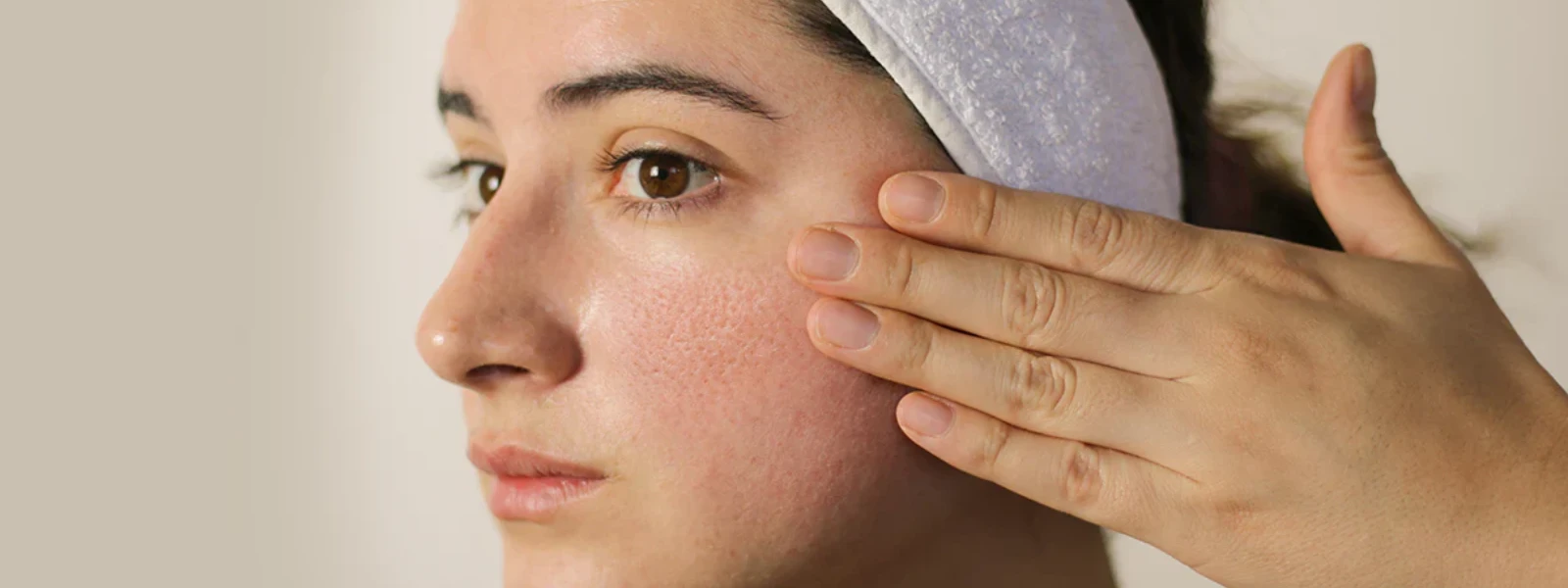
Gen Z is facing a concerning reality that previous generations didn't experience at their age - visible signs of aging appearing much earlier than expected. While their parents and older siblings might have noticed their first fine lines in their thirties, many Gen Z individuals are spotting wrinkles, dark spots, and skin dullness in their early twenties or even late teens. This phenomenon has sparked widespread discussion on social media platforms, with young adults sharing their youthful skin concerns and seeking answers about why their skin seems to be aging faster than it should. Understanding the complex web of factors behind this trend is crucial for addressing and preventing further damage to young skin.
Recent studies and social media trends reveal that Gen Z is experiencing visible aging signs significantly earlier than previous generations. Dermatologists report seeing patients in their early twenties with concerns typically associated with people in their thirties. The data shows that premature skin aging causes are affecting this generation at an unprecedented rate.
Social media platforms are flooded with young adults documenting their aging concerns, from fine lines around the eyes to uneven skin tone and loss of elasticity. This self-documentation has created a valuable dataset showing that biological aging is outpacing chronological age in many Gen Z individuals. The visual evidence is compelling - side-by-side comparisons show noticeable changes in skin quality over just a few years.
One of the most significant factors contributing to early wrinkles is Gen Z's unprecedented digital lifestyle. This generation spends an average of 7-10 hours daily looking at screens, exposing their skin to blue light radiation that penetrates deeper than previously understood.
Blue light exposure from devices triggers oxidative stress in skin cells, leading to premature breakdown of collagen and elastin fibers. This process accelerates the formation of fine lines and reduces skin firmness. The constant exposure creates cumulative damage that becomes visible much earlier than traditional UV damage.
Extended screen time, especially before bedtime, disrupts natural circadian rhythms and reduces sleep quality. During sleep, skin undergoes crucial repair processes, including collagen synthesis and cellular regeneration. Poor sleep quality directly impacts these repair mechanisms, leading to accelerated aging signs.
Gen Z faces unique stressors that previous generations didn't encounter at the same intensity. The combination of academic pressure, economic uncertainty, social media comparison, and global crises creates chronic stress levels that significantly impact skin health in young adults.
Chronic stress elevates cortisol levels, which breaks down collagen and impairs the skin's natural barrier function. This hormonal imbalance also triggers inflammation, leading to accelerated aging processes. The stress and skin appearance connection is particularly pronounced in Gen Z, who report higher anxiety levels than any previous generation at the same age.
Gen Z is growing up in an era of increased environmental challenges that directly impact skin health. These environmental damage to skin factors are more intense than what previous generations experienced during their youth.
Urban air pollution has reached critical levels in many cities, exposing young skin to harmful particles and toxins daily. These pollutants penetrate the skin barrier, causing oxidative damage and inflammation that accelerates aging processes.
Rising temperatures and increased UV radiation intensity due to climate change mean that Gen Z faces more aggressive sun exposure than previous generations. Even brief outdoor exposure can cause more damage than it did decades ago.
Several lifestyle habits affecting skin are particularly prevalent in Gen Z culture, contributing to accelerated aging. These habits often compound each other, creating a perfect storm for premature skin damage.
The relationship between diet and skin aging is particularly relevant for Gen Z, who have grown up with easy access to processed foods and sugary drinks. High sugar intake leads to glycation, a process where sugar molecules bind to collagen fibers, making them stiff and prone to breaking.
Many young adults also struggle with proper hydration, often replacing water with caffeinated or sugary beverages. Chronic dehydration affects skin elasticity and the natural repair processes that keep skin looking youthful.
Gen Z averages significantly less sleep than recommended, with many getting only 5-6 hours per night. During deep sleep phases, growth hormone production peaks, stimulating collagen synthesis and cellular repair. Insufficient sleep disrupts these crucial processes, leading to visible aging signs.
Understanding why Gen Z experiences early aging requires examining the biological processes that typically don't accelerate until later in life. Research shows that factors contributing to early wrinkles are triggering these processes prematurely in this generation.
Collagen production, which typically begins declining in the mid-twenties, is showing signs of reduction even earlier in many Gen Z individuals. This decline is attributed to the combination of environmental stressors, lifestyle factors, and chronic inflammation that characterizes modern young adult life. The cumulative effect of these factors creates a biological aging process that outpaces chronological age.
Ironically, some skincare routines for young skin are contributing to the problem rather than solving it. The accessibility of information and products has led to over-treatment and inappropriate product use among young adults.
Many teenagers and young adults are using potent anti-aging ingredients like retinoids and chemical exfoliants without proper guidance. This over-treatment can damage the skin barrier, leading to increased sensitivity and accelerated aging rather than prevention.
Despite increased awareness about sun damage, many Gen Z individuals still have inconsistent sun protection habits. Social media culture promoting tanned skin and outdoor activities often conflicts with proper sun protection practices.
Addressing youthful skin concerns requires a comprehensive approach that tackles both lifestyle factors and skincare practices. The key is understanding that prevention is far more effective than trying to reverse damage after it occurs.
Implementing stress reduction techniques can significantly impact skin aging. Regular exercise, meditation, and adequate sleep help regulate cortisol levels and support natural skin repair processes. Even simple practices like deep breathing exercises can help manage daily stress levels.
Creating boundaries with digital devices can help reduce blue light exposure and improve sleep quality. Using blue light filters, taking regular screen breaks, and establishing device-free bedtime routines can support skin health and overall well-being.
The main cause is a combination of factors including excessive screen time and blue light exposure, chronic stress levels, environmental pollution, and lifestyle habits like poor sleep and diet. Unlike previous generations who faced these factors individually, Gen Z experiences them simultaneously, creating accelerated aging effects.
Yes, many early signs of aging can be improved with proper skincare routines, lifestyle modifications, and professional treatments. The key is addressing the root causes while implementing gentle, consistent skincare practices. Young skin has excellent regenerative capacity when given the right support.
Gen Z faces unique stressors including social media pressure, economic uncertainty, and global crises that create chronic stress patterns. This constant stress elevation keeps cortisol levels high, which breaks down collagen and impairs skin barrier function more severely than the acute stress patterns previous generations experienced.
Young adults should avoid over-using potent ingredients like high-concentration retinoids, aggressive chemical exfoliants, and harsh physical scrubs. These can damage the skin barrier and cause more harm than benefit. Focus on gentle, hydrating ingredients and consistent sun protection instead.
While there's no definitive safe limit, dermatologists recommend taking breaks every hour, using blue light filters, and avoiding screens for at least one hour before bedtime. The key is reducing cumulative exposure and supporting skin repair through adequate sleep and proper skincare.
Gen Z's experience with early aging is a complex issue stemming from unprecedented lifestyle and environmental factors. The combination of digital exposure, chronic stress, environmental pollution, and certain lifestyle habits creates a perfect storm for accelerated skin aging. However, understanding these factors empowers young adults to make informed choices about their skincare and lifestyle habits. The key to maintaining youthful skin lies in addressing root causes rather than just treating symptoms. With proper prevention strategies, stress management, and appropriate skincare routines, Gen Z can protect their skin health and slow down the aging process. Remember that consistency in healthy habits is more important than expensive treatments, and small changes in daily routines can have significant long-term benefits for skin health and overall well-being.
