


How to Use Topical PDRN for Skin: Fade Dark Spots & Boost Glow
Your Cart
0You May Also Like

₹636 ₹749

₹424 ₹499

₹509 ₹599

₹594 ₹699

₹424 ₹499

₹466 ₹549
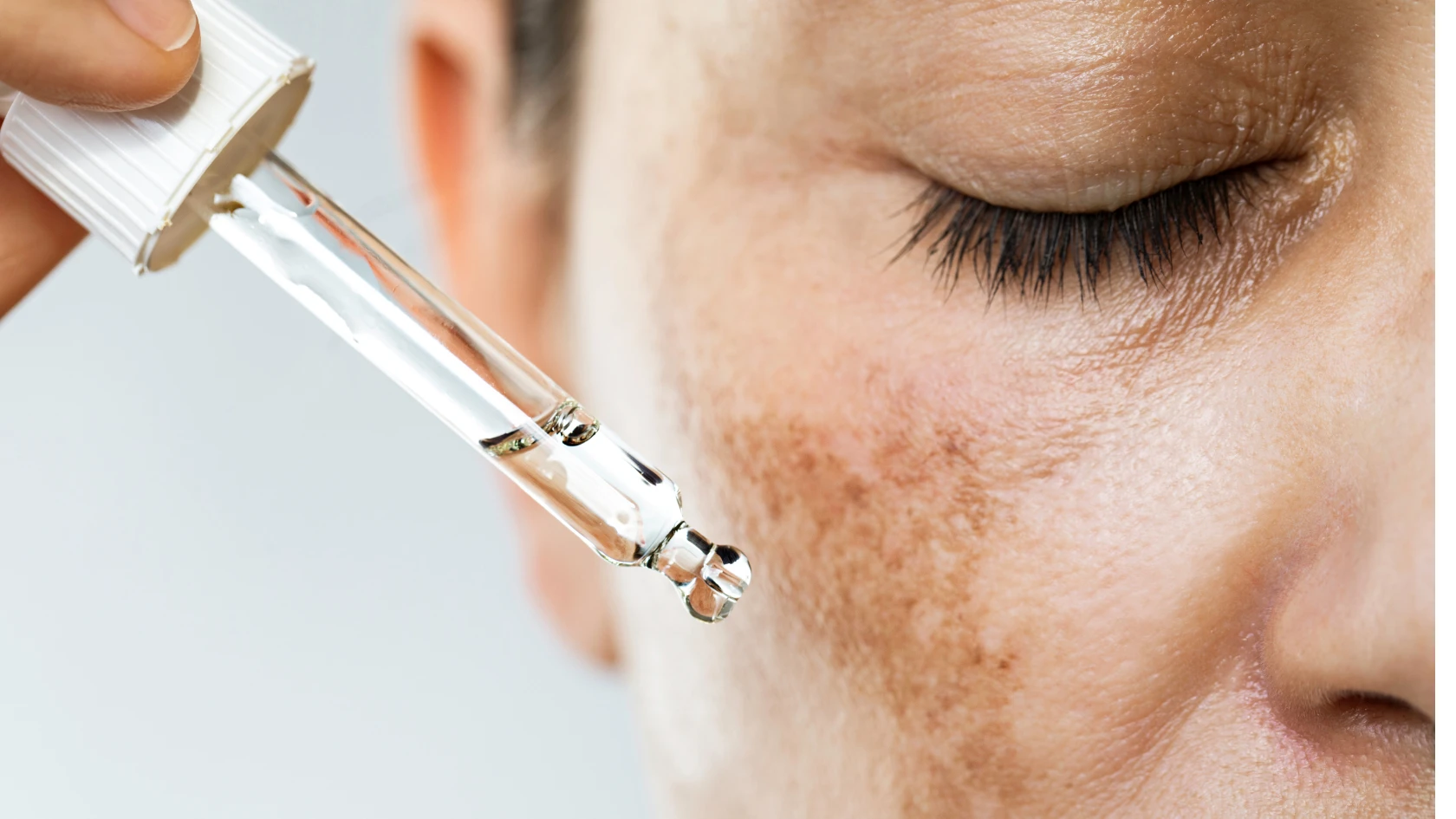
Dark spots can feel stubborn, especially after acne, sun exposure, or irritation. That is common in melanin-rich skin, where even a small breakout may leave a mark behind. If you are wondering how to use topical PDRN for skin, keep the routine simple and steady. Topical PDRN is used in serums, ampoules, and creams as a skin-supporting step. It is not an overnight fix. Asaya focuses on routines that address uneven tone with care, since skin needs support, moisture, and daily sun protection while dark spots fade.
Apply a PDRN serum or ampoule on clean skin, then follow with cream.
Use it at night if your skin is easily irritated, and wear SPF each morning.
Topical PDRN results are gradual — give it a few weeks before judging.
If redness or peeling occurs, simplify your routine and pause other strong actives.
PDRN is used in topical skincare to support skin regeneration, hydration, collagen production, and skin elasticity. These are useful goals when skin looks dull or feels stressed after breakouts. Results from a topical product build gradually with regular use.
PDRN was originally studied in wound care for its ability to support tissue repair, which is part of why it is now used in skincare for stressed or post-breakout skin. That repair-focused background makes it a considered choice when your skin barrier has taken a hit — from a breakout, over-exfoliation, or environmental stress.
Think of PDRN as a supportive step, not a replacement for cleansing, moisturising, or sun protection. Your formula matters, so follow its label directions first.
Topical PDRN is applied on the surface of the skin. Its results are more gradual than injectable treatments. That can suit people who want to add a simple leave-on step at home. Give your skin time and track changes in texture, comfort, and tone.
For melanin-rich, Indian skin in particular, gradual and gentle is often the smarter approach. Aggressive treatments can trigger post-inflammatory hyperpigmentation (PIH), meaning the cure can sometimes deepen the very marks you are trying to fade. A steady, low-irritation routine with PDRN fits that need well.
Dark spots happen when extra melanin gathers in one area. PDRN is discussed for melanin regulation and skin support, which may make it a useful part of a pigmentation-focused routine. It should not be viewed as a spot-fading shortcut on its own.
For pdrn for hyperpigmentation, the basics still matter most: avoid irritation, moisturise well, and protect skin from sun exposure. An irritated skin barrier can make marks look more noticeable.
Over time, consistent use of a PDRN product alongside a well-structured routine may help skin look more even and feel more resilient. Think of glow improvement as a slow, cumulative shift rather than a dramatic before-and-after. Most people notice a difference in overall skin comfort and texture before they see a visible change in dark spots — and that is a sign the routine is working.
Use a PDRN serum or pdrn ampoule after cleansing and toning. Apply two to three drops to dry skin. Press or lightly massage it in until absorbed. Follow with moisturiser to help seal in moisture.
Cleanse with a gentle face wash.
Apply toner, if you use one.
Use two to three drops of PDRN serum or ampoule.
Finish with cream or moisturiser.
Evening is a simple time to use PDRN because you can keep the rest of your routine calm. Night use also avoids layering too many daytime products. If your formula allows morning use, finish with sunscreen.
Apply PDRN cream after a serum or ampoule. A capsule cream can work as the final moisturising step, especially at night. Use only the amount stated on the pack, and avoid rubbing skin hard.
Do not assume every active works well in the same routine. Retinol can cause redness or peeling for some people. If that happens, keep PDRN in a separate routine or pause the active that is causing discomfort.
Vitamin C and PDRN may fit into the same broader routine, but there is no need to pile on layers. Asaya 15% Vitamin C + E Serum with Ferulic Acid is designed for AM and PM use. Introduce one new product at a time.
The main concern is not PDRN itself. It is barrier disruption from using too many strong products at once. If your skin stings, turns red, or peels, simplify your routine. Use a gentle cleanser, moisturiser, and sunscreen until skin feels settled.
This matters especially for melanin-rich skin, where a disrupted barrier does not just cause discomfort — it can actively worsen PIH. Every bout of irritation is a potential trigger for more pigmentation, so keeping your routine calm and consistent is not just good practice, it is protective.
Keep your routine easy to repeat. Start with Asaya Even Tone Face Cleanser, a low-pH cleanser that removes makeup and SPF without stripping skin. Then use your PDRN serum or ampoule, followed by Asaya Even Evermore Creme as your moisturising step — it supports the skin barrier while you work on uneven tone.
In the morning, finish with Asaya Spot Light Sunscreen SPF 50 PA++++. Sun protection is key when you are working on dark spots. At night, you may use Asaya Advanced Spot Targeting Serum in a separate routine if your skin tolerates it well.
Apply your PDRN product evenly across the face rather than only on one dark spot. This supports a balanced routine and helps you avoid overworking one area. Give extra care to acne-prone zones without picking or scrubbing them.
If you use a targeted pigment serum, apply it as directed and keep your routine consistent. Daily SPF matters because new sun exposure can deepen existing marks.
Topical PDRN works gradually, not instantly. In the first days, focus on whether your skin feels comfortable and hydrated. Over time, assess your overall glow, texture, and the look of uneven tone.
Do not judge a routine after one use. Take a photo in the same light every few weeks if tracking dark spots helps you stay objective.
PDRN may support skin regeneration, hydration, collagen production, and skin elasticity. Topical results are gradual. For dark spots, pair a calm routine with daily sun protection, such as Asaya Spot Light Sunscreen SPF 50 PA++++.
Use a PDRN capsule cream as your final moisturising step after serum. Night is often easiest because it can act as a nourishing sleeping layer. Follow the product label for the right amount and avoid applying more than directed.
Apply skincare in order of texture — thinnest to thickest. Start with a cleanser, then toner if you use one, followed by serum, moisturiser, and SPF in the morning. Keeping your routine consistent and simple is more effective than layering many products at once.
PDRN serum or ampoule sits after cleansing and toning, before your moisturiser. Think of it as your treatment step. If you are also using a targeted product like Asaya Advanced Spot Targeting Serum, apply the thinner formula first and layer the PDRN product on top, or alternate them between morning and evening routines.
Topical PDRN can be a steady support step for skin that needs moisture, repair, and a calmer routine. For pigmentation, consistency and SPF remain essential. And while PDRN helps support the skin's regeneration process from the outside, Asaya's own MelaMe™ Complex goes a step further by targeting melanin directly — which is the root cause of the dark spots you are working to fade. MelaMe™ is an advanced, melanin-first molecule that works on existing dark spots by breaking excess melanin deposits into re-absorbable amino acids, while also helping inhibit excess melanin production. Together, a PDRN-supported routine and MelaMe™-powered products give your skin both the repair foundation and the targeted pigment action it needs.
