


Top 6 SPF Sunscreens for Oily Skin Compared
Your Cart
0You May Also Like
Finding the right sunscreen when you have oily skin feels like solving a puzzle. You need strong protection from harmful UV rays, but most sunscreens leave your face looking like an oil slick by noon. The good news? The beauty industry has finally cracked the code on creating sunscreen for oily skin that actually works. We've tested and compared six top-performing options that deliver serious sun protection without the greasy aftermath. These formulas are specifically designed to control shine, prevent breakouts, and keep your skin comfortable all day long.
Oily skin produces excess sebum, which creates unique challenges when choosing sun protection. Traditional sunscreens often contain heavy oils and emollients that can clog pores and trigger breakouts. When you layer a thick, greasy sunscreen over already oily skin, you're essentially creating a breeding ground for bacteria and blackheads. The key difference lies in the formulation approach. Oil free sunscreen options use lightweight bases like water, silicones, or gel matrices instead of heavy oils. These formulas absorb quickly into the skin without leaving a residue that mixes with your natural oils.
Non-comedogenic sunscreens undergo special testing to ensure they won't block pores. The ingredients are carefully selected and tested on acne-prone skin to verify they don't cause breakouts.
Dermatologists recommend at least SPF 30 for daily use, especially for spf for oily acne prone skin. Higher protection levels help prevent post-inflammatory hyperpigmentation from acne scars.
When shopping for the best sunscreen oily skin can handle, certain features make all the difference. Understanding these key elements helps you make an informed choice that works with your skin type rather than against it.
Gel-based sunscreens offer the lightest feel and fastest absorption. They contain water as the primary base, making them ideal for very oily skin types. Fluid formulations provide excellent coverage while maintaining a lightweight feel. These water-based options dry down to a comfortable finish without stickiness.
Silica and clay naturally absorb excess oil throughout the day. These ingredients act like tiny sponges, soaking up sebum before it can create shine. Niacinamide offers dual benefits by providing some sun protection support while regulating oil production. This ingredient helps minimize pore appearance and reduces inflammation.
Non comedogenic sunscreen certification ensures the product won't clog pores. Look for this label on packaging to avoid breakout-causing formulas. Broad-spectrum protection covers both UVA and UVB rays. UVA rays cause aging and can penetrate deeper into skin, while UVB rays cause burning.
After extensive testing and research, these six sunscreens stand out as the best options for oily skin types. Each offers unique benefits while delivering reliable sun protection without the grease.
This lightweight gel formula absorbs instantly and provides SPF 50 broad-spectrum protection. The silica-based formula controls oil for up to 8 hours while remaining invisible under makeup. Key ingredients include zinc oxide for gentle protection and niacinamide for oil control. • Dries completely matte in under 60 seconds • Compatible with all makeup types • Water-resistant for 80 minutes • Fragrance-free and hypoallergenic
Formulated specifically for sensitive, breakout-prone skin, this sunscreen for face oily skin contains salicylic acid to prevent clogged pores. The lightweight lotion texture provides SPF 30 protection while treating existing blemishes. • Contains 0.5% salicylic acid for acne prevention • Dermatologist-tested on acne-prone skin • Oil-free and non-comedogenic certified • Suitable for daily use under treatment products
This mattifying sunscreen uses advanced oil-absorbing technology to eliminate shine for up to 12 hours. The unique powder-gel hybrid formula provides SPF 45 protection while creating a perfect makeup base. • Instant matte finish that lasts all day • Contains microsphere technology for oil absorption • Minimizes pore appearance • Ideal for extremely oily T-zones
Proving that effective sun protection doesn't require a premium price tag, this drugstore gem delivers SPF 50 protection at an unbeatable value. The lightweight formula rivals expensive alternatives while remaining accessible to all budgets. • Under $15 for 3-ounce tube • Available at most drugstores • Gentle enough for daily use • Comparable performance to luxury brands
This mineral sunscreen oily skin can trust uses only zinc oxide and titanium dioxide for protection. The gentle formula contains just 12 ingredients, making it perfect for reactive skin that's also oily. • 100% mineral active ingredients • Fragrance-free and preservative-free • Suitable for rosacea-prone skin • Provides natural oil absorption
Designed for active lifestyles, this sports sunscreen maintains its protective properties through 80 minutes of water exposure. The quick-dry formula won't run into eyes or slide off during workouts. • 80-minute water resistance testing • Sweat-proof and humidity-resistant • Easy reapplication over makeup • Perfect for outdoor activities
The debate between SPF 30 and SPF 50 often centers on protection levels versus formula weight. SPF 30 blocks about 97% of UVB rays, while SPF 50 blocks about 98%. This small difference might not seem significant, but it can matter for oily skin types who spend extended time outdoors. Higher SPF formulas traditionally required more active ingredients, making them heavier and greasier. However, modern formulation technology has largely solved this problem. Many SPF 50 sunscreens now feel as light as their SPF 30 counterparts. For sun protection oily skin needs, dermatologists generally recommend SPF 50 for daily use. The slightly higher protection helps compensate for the tendency to apply less product to avoid greasiness. Most people apply only half the recommended amount, so starting with higher protection provides a safety buffer.
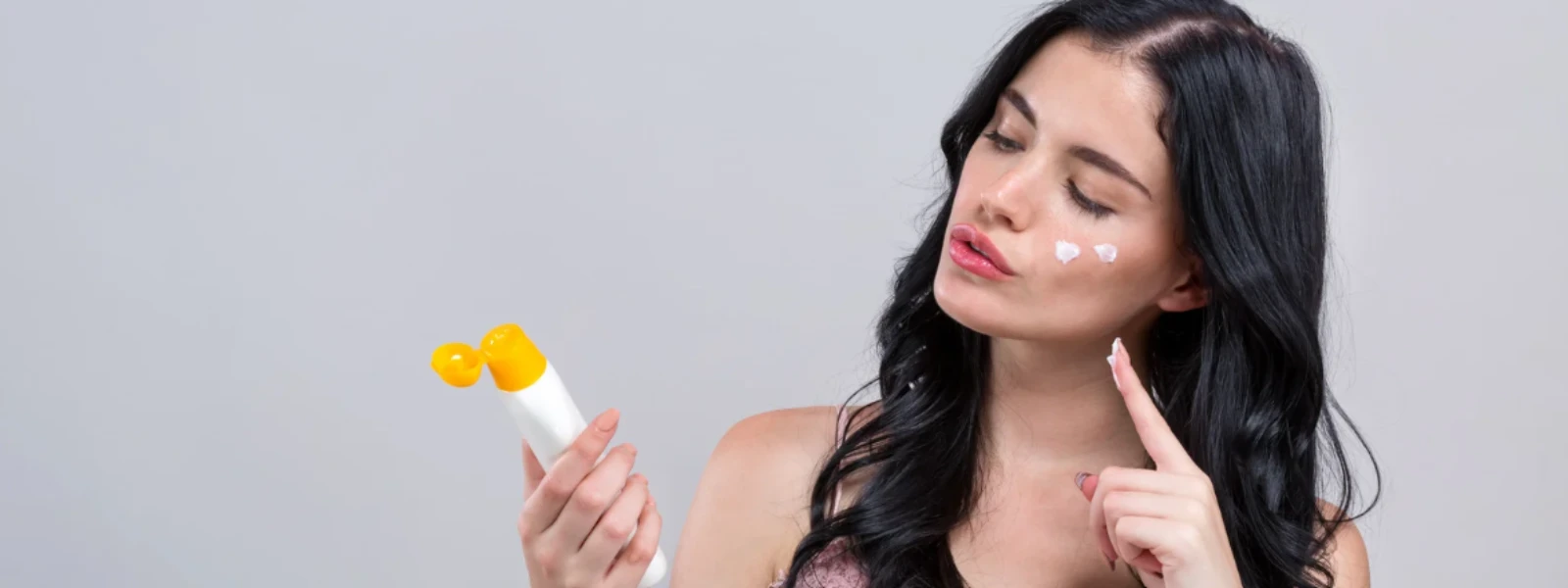
Proper application technique makes the difference between effective protection and a greasy mess. Start with clean, dry skin and apply sunscreen as the final step in your morning routine, before makeup. Use the two-finger rule: squeeze sunscreen along the length of your index and middle fingers. This provides the right amount for your entire face and neck. Apply in gentle, upward strokes, allowing each layer to absorb before adding more.
Wait 5-10 minutes after applying your last skincare product before adding sunscreen. This prevents pilling and ensures even coverage. If using multiple active ingredients, apply them in order of thinnest to thickest consistency. Sunscreen should always go on last, except for makeup.
Reapply every two hours, or immediately after swimming or sweating heavily. For oily skin, blot excess oil with blotting papers before reapplying to prevent product buildup. Powder sunscreens work well for midday touch-ups over makeup. These provide additional protection while absorbing excess oil.
Many people with oily skin skip sunscreen entirely, fearing it will worsen their skin concerns. This mistake leads to premature aging, dark spots, and increased acne scarring. Modern formulations designed for oily skin eliminate these concerns while providing essential protection. Using too little product is another common error. Most people apply only 25-50% of the recommended amount. For proper protection, you need about 1/4 teaspoon for your face alone. Ignoring ingredient lists can lead to choosing products with pore-clogging ingredients. Always check for non comedogenic sunscreen labeling and avoid heavy oils like coconut oil or cocoa butter. Mixing incompatible products can cause pilling or reduced effectiveness. Avoid layering oil-based serums under water-based sunscreens, as they won't absorb properly.
SPF 30-50 provides optimal protection for oily skin types. Look for gel or fluid formulations with oil-absorbing ingredients like silica or clay. The best options are labeled as non-comedogenic and oil-free.
Yes, but you might want lighter formulas in summer and slightly richer ones in winter when indoor heating can dry out even oily skin. Stick with non-comedogenic options regardless of season.
Reapply every two hours during sun exposure, or immediately after swimming or heavy sweating. Use blotting papers to remove excess oil before reapplication to prevent product buildup.
Facial sunscreens are formulated for the delicate facial skin and often include additional benefits like oil control. Body sunscreens can be more basic and cost-effective for larger areas.
Some sunscreens contain oil-controlling ingredients like niacinamide or salicylic acid that can help regulate sebum production. However, sunscreen's primary function is protection, not oil control.
Choosing the right sunscreen for oily skin doesn't have to be complicated. Focus on lightweight, non-comedogenic formulas with SPF 30 or higher. Gel and fluid textures work best for very oily skin, while those with combination skin might prefer lightweight lotions. Remember that proper application technique matters as much as product choice. Use enough product, apply it evenly, and reapply regularly for maximum protection. Don't let fear of greasiness prevent you from protecting your skin – the right formula will enhance your complexion rather than compromise it. The six sunscreens compared here represent the best options currently available for oily skin types. Whether you prioritize budget-friendliness, maximum oil control, or gentle ingredients for sensitive skin, there's an option that will work for your specific needs and lifestyle.
