


Tan vs Pigmentation: Your Complete Skin Guide
Your Cart
0You May Also Like
Have you ever wondered why some people develop a golden tan while others end up with stubborn dark spots? The difference between tan pigmentation lies in how your skin responds to sun exposure and the lasting effects on your complexion. While both involve melanin production, they create distinct changes in your skin that require different approaches for prevention and treatment. Understanding these differences helps you make informed decisions about sun protection and skincare routines that keep your skin healthy and radiant.
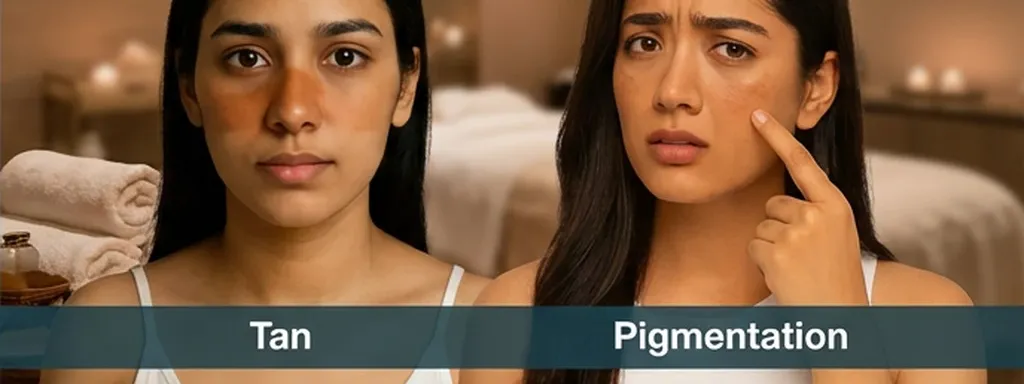
The key distinction between tan vs pigmentation centers on duration, appearance, and skin depth. A tan represents your skin's temporary protective response to UV exposure, creating an even bronze color that fades naturally over weeks. This happens when melanin spreads evenly across skin cells in the upper layer.
Pigmentation, however, creates permanent or long-lasting dark spots that appear uneven and patchy. These marks form when melanin clusters in specific areas, often penetrating deeper skin layers. Unlike tans that fade uniformly, pigmentation requires targeted treatment to reduce its appearance.
Tans typically develop within hours of sun exposure and fade completely within 4-6 weeks as skin cells naturally shed. Pigmentation can take months or years to develop and may persist indefinitely without intervention.
Healthy tans create uniform color changes across exposed areas. Pigmentation appears as isolated dark patches, freckles, or age spots with irregular borders and varying intensities.
Different types of skin pigmentation result from various triggers beyond sun exposure. Recognizing these patterns helps you identify the root cause and choose appropriate treatments for your specific concerns.
Sun exposure remains the primary culprit behind most pigmentation issues, but hormones, genetics, and inflammation also play significant roles in skin color changes.
The causes of tan begin when UV rays trigger melanocytes to produce melanin as protection. This process creates an even distribution of pigment that gradually darkens exposed skin areas.
Melasma creates symmetrical patches on the face, often triggered by hormonal changes. Age spots develop from cumulative sun damage over decades. Post-inflammatory hyperpigmentation follows acne, cuts, or other skin injuries.
Pregnancy, birth control, and hormone therapy can trigger pigmentation changes even without sun exposure. These hormonal shifts make skin more sensitive to UV damage and melanin production.
Melanin and skin color share a complex relationship that determines how your skin responds to environmental factors. This natural pigment serves as your body's built-in sunscreen, but its production can become irregular under certain conditions.
Understanding your skin's melanin response helps predict whether you're more likely to tan evenly or develop pigmentation issues with sun exposure.
Melanocytes produce two types of melanin: eumelanin (brown-black) and pheomelanin (red-yellow). The ratio between these determines your natural skin tone and tanning ability.
Fair skin types often burn before tanning and face higher pigmentation risks. Medium skin tones typically tan more easily but may develop uneven patches. Darker skin naturally resists burning but can experience post-inflammatory pigmentation.
Repeated UV exposure gradually damages melanocytes, leading to irregular pigment production. This explains why effects of sun exposure on skin become more pronounced with age.
Recognizing uneven skin tone causes early allows for prompt intervention and better treatment outcomes. Several visual and textural clues help distinguish between normal tanning and problematic pigmentation.
Location patterns often reveal the underlying cause, with facial pigmentation typically linked to hormones or sun damage, while body pigmentation usually results from UV exposure or friction.
Healthy tans appear uniform with gradual color transitions. Pigmentation shows sharp borders, irregular shapes, and varying darkness levels within the same area.
Face pigmentation often appears on the forehead, cheeks, and upper lip. Neck and chest areas may show sun damage patterns. Body pigmentation typically affects shoulders, arms, and other frequently exposed areas.
Seek dermatological advice for rapidly changing spots, asymmetrical pigmentation, or areas that don't respond to over-the-counter treatments within three months.
Learning how to prevent tanning and pigmentation requires consistent daily habits and strategic lifestyle choices. Effective prevention proves more successful and cost-effective than treating existing damage.
Sun protection for skin extends beyond sunscreen application to include timing, clothing choices, and environmental awareness that minimize UV exposure throughout the day.
Apply broad-spectrum SPF 30 or higher every morning, regardless of weather. Reapply every two hours during outdoor activities and after swimming or sweating.
Wide-brimmed hats shield the face and neck effectively. UV-protective clothing offers consistent coverage without reapplication needs. Sunglasses protect the delicate eye area where pigmentation commonly develops.
Avoid peak UV hours between 10 AM and 4 PM when possible. Seek shade during outdoor activities and plan errands for early morning or late afternoon.
Hyperpigmentation treatment ranges from gentle at-home options to professional procedures, depending on the severity and type of pigmentation. Combining multiple approaches often yields the best results.
Treatment success depends on consistency, patience, and choosing methods appropriate for your skin type and pigmentation severity. Most effective treatments require 3-6 months to show significant improvement.
Chemical peels remove damaged skin layers to reveal fresh, even-toned skin underneath. Laser treatments target specific pigmented areas with precision. Microneedling stimulates skin renewal and enhances product absorption.
Vitamin C brightens skin and prevents new pigmentation formation. Niacinamide reduces inflammation and regulates melanin production. Alpha arbutin and kojic acid specifically target existing dark spots.
Surface pigmentation may improve within 4-8 weeks of consistent treatment. Deeper pigmentation requires 3-6 months for noticeable results. Complete resolution can take up to a year for stubborn cases.
No, pigmentation and tan are different skin responses. Tans create even, temporary color changes that fade naturally. Pigmentation forms permanent or long-lasting dark spots that require treatment to reduce their appearance.
Tans appear uniform across sun-exposed areas and fade evenly over weeks. Hyperpigmentation shows up as isolated dark patches with irregular borders that persist for months or years without treatment.
Tans naturally fade within 4-6 weeks as skin cells renew themselves. Pigmentation can persist indefinitely without intervention, though surface spots may lighten slightly over 6-12 months.
Yes, cleansers containing gentle exfoliating acids like salicylic acid or glycolic acid can help remove dead skin cells and improve product absorption for better pigmentation treatment results.
Facial pigmentation often results from hormonal changes, sun exposure, and skincare reactions. Neck pigmentation typically stems from sun damage, friction from clothing, or insulin resistance in some cases.
Understanding the difference between tan pigmentation empowers you to make informed decisions about sun protection and skincare routines. While tans represent temporary, even color changes, pigmentation creates lasting dark spots that require targeted treatment approaches.
Prevention through consistent sun protection remains your most powerful tool against both unwanted tanning and pigmentation development. When treatment becomes necessary, combining professional guidance with appropriate at-home care delivers the most effective results for achieving even, healthy-looking skin.
