


Sunscreen Reapplication: Your Ultimate Guide
Your Cart
0You May Also Like
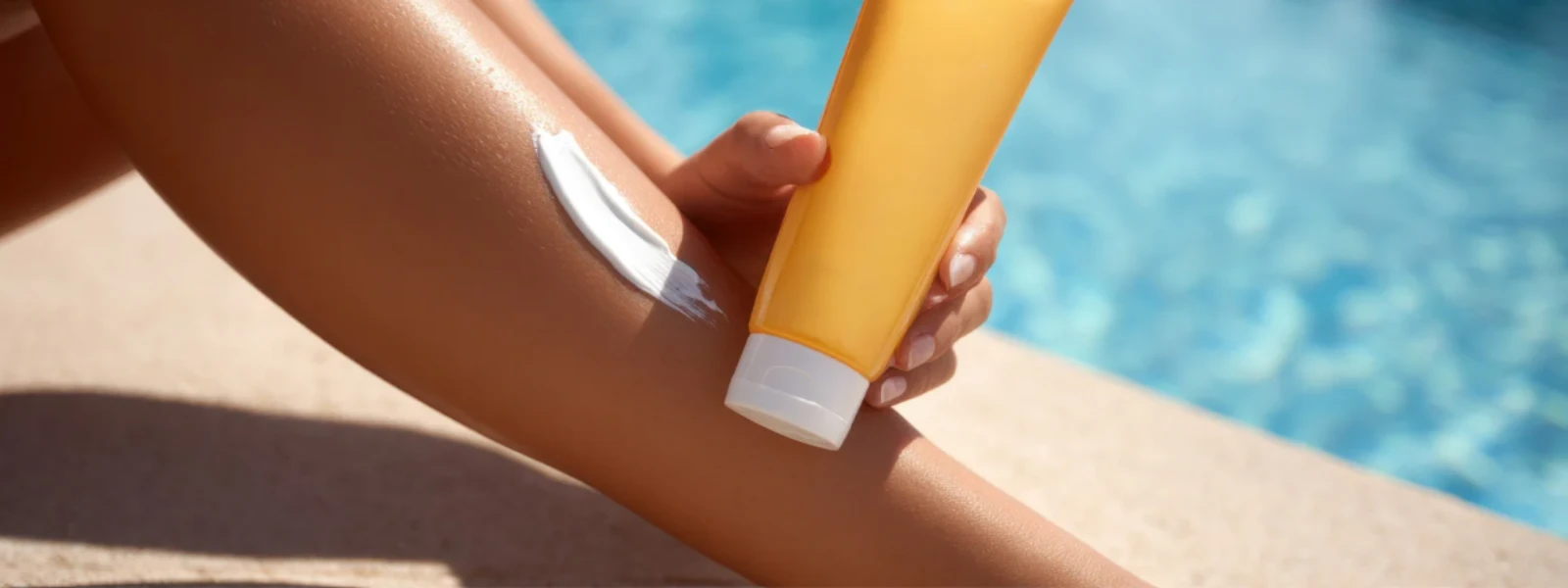
Getting the most out of your sunscreen isn't just about slathering it on once in the morning. The real secret to effective sun protection lies in knowing exactly when and how often to reapply throughout your day. Whether you're spending hours at the beach or sitting by a sunny office window, understanding sunscreen reapplication can make the difference between healthy, protected skin and unwanted sun damage. Many people apply sunscreen religiously in the morning but forget that its protective power diminishes over time. This comprehensive guide will walk you through everything you need to know about maintaining optimal sun protection all day long.
Sunscreen doesn't maintain its protective strength indefinitely. The active ingredients in your sunscreen gradually break down when exposed to UV radiation, heat, and environmental factors. This process, called photodegradation, reduces the product's ability to shield your skin from harmful rays. The widely recommended two-hour reapplication rule exists for good reason. Research shows that most sunscreens lose significant effectiveness after this timeframe, even without swimming or sweating. Chemical sunscreens absorb UV rays and convert them to heat, which gradually depletes their active ingredients. Physical sunscreens, while more stable, can still wear off due to friction from clothing, touching, or natural skin oils.
Heat, humidity, and wind all accelerate sunscreen breakdown. On particularly hot days, your sunscreen may need refreshing more frequently than the standard two-hour window.
Oily skin tends to break down sunscreen faster due to increased sebum production. Dry skin may absorb sunscreen more readily, potentially reducing surface protection.
Your reapplication schedule should adapt to your specific circumstances and activities. Different situations call for different approaches to maintaining adequate sun protection throughout the day. The key is understanding that one size doesn't fit all when it comes to sunscreen reapplication. Your environment, activity level, and even the time of day all influence how frequently you need to refresh your protection.
For direct sun exposure, stick to the every-two-hours rule as your baseline. However, certain activities require more frequent attention. Swimming, even in waterproof formulas, typically necessitates reapplication every 40 to 80 minutes. Intense physical activities that cause heavy sweating also fall into this category. Hiking, gardening, or playing outdoor sports all increase your need for frequent reapplication. The combination of movement, perspiration, and prolonged exposure creates the perfect storm for diminished protection.
Many people wonder when to reapply sunscreen while working indoors. If you sit near windows or spend time in areas with significant natural light, reapplication every four to six hours makes sense. UVA rays can penetrate glass, making window-side workspaces potential exposure zones. For those working entirely away from windows in artificial light, morning application may suffice for the workday. However, if you step outside for lunch or commute during peak sun hours, follow outdoor reapplication guidelines.
Higher SPF doesn't necessarily mean longer-lasting protection. SPF 30 and SPF 50 both require reapplication every two hours under normal circumstances. The difference lies in the level of protection during that timeframe, not the duration. SPF 30 blocks about 97% of UVB rays, while SPF 50 blocks roughly 98%. Both formulations degrade at similar rates, making consistent reapplication equally important regardless of your chosen SPF level.
Your face requires special consideration when it comes to sunscreen frequency. Facial skin is more delicate and often exposed to more environmental stressors throughout the day. Additionally, makeup application can complicate the reapplication process. For makeup wearers, powder sunscreens or setting sprays with SPF offer convenient reapplication options. These products allow you to refresh protection without disturbing your makeup. Alternatively, consider using a makeup setting spray with SPF for midday touch-ups.
Sunscreen sticks work well for targeted reapplication around the eyes and lips. They provide precise application without affecting surrounding makeup.
Body reapplication is generally more straightforward than facial application. Focus on frequently exposed areas like shoulders, arms, and the back of your neck. These areas often receive the most direct sun exposure and may need attention more frequently than covered areas.
Beyond the standard time intervals, certain situations demand immediate reapplication. Swimming, toweling off, and heavy sweating all remove or dilute your sunscreen coverage. Even water-resistant formulas need refreshing after these activities. Peak sun hours, typically between 10 AM and 4 PM, require extra vigilance. During these times, UV radiation is strongest, making proper protection crucial. If you're outdoors during peak hours, consider reapplying every 90 minutes instead of the standard two hours.
Wind can physically remove sunscreen from your skin. Beach days with strong ocean breezes may require more frequent application than calm, still days.
High-intensity activities generate more heat and sweat, both of which compromise sunscreen effectiveness. Adjust your reapplication schedule based on your activity level and intensity.
Effective reapplication requires proper technique to ensure even coverage. The three-finger rule provides a helpful guideline for facial application: squeeze sunscreen along the length of your index, middle, and ring fingers, then apply evenly across your face and neck. For body reapplication, use approximately one ounce (about a shot glass full) to cover all exposed areas. Pay special attention to often-missed spots like the tops of feet, ears, and the back of your neck.
Many people apply too little product during reapplication, thinking they need less since they already have a base layer. This approach significantly reduces protection levels.
Consider using a makeup sponge or brush for facial reapplication over makeup. These tools help distribute product evenly without disturbing your base makeup.
Consistent reapplication provides benefits beyond immediate sun protection. Regular use helps prevent premature aging, dark spots, and other signs of sun damage. This preventive approach is far more effective than trying to reverse damage after it occurs. Combining proper reapplication with other sun protection methods creates comprehensive coverage. Wide-brimmed hats, UV-protective clothing, and seeking shade during peak hours all work together with your sunscreen routine.
Proper sunscreen effectiveness through regular reapplication helps maintain skin elasticity and prevents the breakdown of collagen that leads to wrinkles and fine lines.
Investing in quality sunscreen and using it properly costs far less than treating sun damage later. Consider it an investment in your long-term skin health.
Reapply sunscreen every two hours during sun exposure, or every 40-80 minutes when swimming or sweating heavily. Indoor workers near windows should reapply every 4-6 hours.
The three-finger rule involves squeezing sunscreen along the length of your index, middle, and ring fingers to get the right amount for your face and neck - roughly 1/4 teaspoon.
Yes, consistent sunscreen use with proper reapplication helps prevent UV damage that breaks down collagen and elastin, which are essential for maintaining skin firmness and preventing wrinkles.
UV rays are present whenever the sun is up, but they're weakest in early morning. If you'll be outdoors for extended periods or have very fair skin, morning sunscreen application is beneficial.
Most sunscreens maintain effectiveness for about 2 hours under normal conditions. Factors like sweating, swimming, or friction can reduce this timeframe significantly.
Indoor workers should reapply every 4-6 hours if sitting near windows, or before going outside for lunch breaks or commuting during daylight hours.
Yes, reapplication every 2 hours is necessary because sunscreen ingredients break down over time, and the product can wear off due to natural skin processes, touching, or environmental factors.
Mastering sunscreen reapplication is essential for maintaining healthy, protected skin throughout your life. Remember that effective sun protection requires consistency and attention to your specific circumstances. Whether you're spending the day outdoors or working by a sunny window, adapting your reapplication schedule to your situation ensures optimal protection. The small effort of regular reapplication pays dividends in preventing sun damage, premature aging, and maintaining your skin's natural beauty for years to come.
