


Sunscreen Myths Debunked: Your Questions Answered
Your Cart
0You May Also Like
When it comes to sun protection, misinformation spreads faster than a sunburn on a beach day. Despite decades of research proving sunscreen's safety and effectiveness, myths continue to circulate on social media and in casual conversations. These misconceptions can lead to serious consequences for your skin health. From claims that sunscreen causes cancer to beliefs that higher SPF numbers offer exponentially better protection, it's time to separate fact from fiction. Let's dive into the science-backed truth about sunscreen and address the most persistent myths that might be putting your skin at risk.
Before we tackle the myths, it's essential to understand the science behind sun protection. Your skin faces two main types of harmful radiation: UVA rays that penetrate deep and cause aging, and UVB rays that burn the surface and lead to cancer.
Sunscreens work through two mechanisms. Physical sunscreens containing zinc oxide or titanium dioxide sit on your skin's surface and reflect UV rays like tiny mirrors. Chemical sunscreens absorb into your skin and convert UV radiation into harmless heat energy.
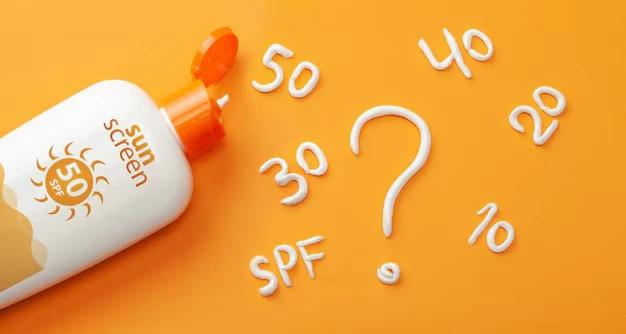
SPF measures protection against UVB rays specifically. SPF 30 blocks about 97% of UVB rays, while SPF 50 blocks 98%. The difference becomes minimal at higher numbers, which explains why dermatologists often recommend SPF 30-50 for daily use.
Let's address the most common misconceptions that prevent people from protecting their skin properly. These sunscreen myths debunked with scientific evidence will help you make informed decisions about sun protection.
This dangerous myth has no basis in medical science. Major health organizations, including the American Cancer Society and Mayo Clinic, confirm that sunscreen ingredients are safe and extensively tested. The FDA requires rigorous safety testing before approving any sunscreen ingredient for public use.
While SPF 100 sounds impressive, it only blocks 99% of UVB rays compared to SPF 30's 97%. The real protection comes from proper application and reapplication, not chasing the highest SPF number on the shelf.
Up to 80% of UV rays penetrate clouds, making overcast days surprisingly dangerous for unprotected skin. Snow, sand, and water can also reflect UV rays, increasing your exposure even in shaded areas.
Melanin provides only SPF 2-4 natural protection. People with darker skin tones still develop skin cancer and experience sun damage, though it may be less visible initially. Everyone benefits from daily sun protection regardless of skin color.
Knowing the truth about sunscreen application can make the difference between protection and painful burns. Most people apply far too little sunscreen to achieve the labeled SPF protection.
Use one ounce (about two tablespoons) to cover your entire body. Apply sunscreen 15-30 minutes before sun exposure to allow proper absorption. Don't forget commonly missed areas like your ears, feet, lips, and the back of your neck.
Even "waterproof" sunscreen needs reapplication every two hours, or immediately after swimming or sweating heavily. No sunscreen is truly waterproof – they're only water-resistant for 40 or 80 minutes maximum.
Understanding types of sunscreen helps you select the best option for your lifestyle and skin needs. Both physical and chemical formulations offer excellent protection when used correctly.
Physical sunscreens work immediately upon application and are ideal for sensitive skin. Chemical sunscreens feel lighter and blend more easily, making them popular for daily wear under makeup.
Zinc oxide and titanium dioxide provide broad-spectrum protection in physical formulas. Chemical options like avobenzone, octinoxate, and octocrylene offer effective UVA and UVB coverage. Choose broad-spectrum formulas that protect against both types of radiation.
The dangers of sun exposure extend far beyond sunburns. Unprotected UV exposure is responsible for 90% of visible skin aging, including wrinkles, dark spots, and loss of elasticity.
Skin cancer rates continue rising, with one in five Americans developing skin cancer during their lifetime. UV radiation also suppresses your immune system and can cause cataracts and other eye problems over time.
Yes, research consistently shows that photoaging from UV exposure accounts for approximately 90% of visible skin aging. Daily sunscreen use can significantly slow this process and prevent premature wrinkles and dark spots.
You can still produce some vitamin D while wearing sunscreen, though the amount may be reduced. Most dermatologists recommend getting vitamin D from food sources and supplements rather than risking skin damage from unprotected sun exposure.
Expired sunscreen loses potency over time as active ingredients break down. Check expiration dates and replace old products to ensure you're getting the protection you expect.
UVA rays can penetrate windows, so if you sit near windows for extended periods, sunscreen provides additional protection. However, most indoor environments don't require sunscreen unless you're near large windows or glass doors.
No sunscreen is truly waterproof. Products labeled "water-resistant" maintain their SPF for either 40 or 80 minutes while swimming or sweating. Always reapply after water activities regardless of the label claims.
Some UV rays still reach your skin even with sunscreen, so gradual tanning can occur. However, any tan indicates DNA damage to your skin cells. Consider sunless tanning products for a safer alternative to UV exposure.
Understanding the facts about sunscreen helps you make informed decisions about protecting your skin. The most important sunscreen facts to remember are that all skin tones benefit from daily protection, proper application matters more than high SPF numbers, and consistent use prevents both immediate damage and long-term aging.
Don't let myths prevent you from protecting your skin effectively. Choose a broad-spectrum sunscreen you'll actually use daily, apply it generously, and reapply regularly. Your future self will thank you for the consistent protection against UV damage and premature aging.
