


Step-by-Step Guide to Ultimate Sun Protection
Your Cart
0You May Also Like
Every day, your skin faces an invisible threat that causes more damage than you might realize. UV radiation doesn't just cause painful sunburns—it's responsible for 90% of visible aging and over 1 million skin cancer cases annually. Yet most people apply only 25% of the recommended sunscreen amount, leaving their skin vulnerable to serious damage. The good news? Effective sun protection tips are simple to follow when you know what actually works. This comprehensive guide walks you through evidence-based strategies that dermatologists recommend, from choosing the right products to mastering application techniques that truly protect your skin.
UV radiation comes in two main types that affect your skin differently. UVA rays penetrate deep into your skin and cause long-term damage like wrinkles and age spots. UVB rays affect the surface and cause immediate burning. Both types contribute to skin cancer risk, making broad-spectrum protection essential for comprehensive UV protection.
The sun exposure risks extend far beyond occasional sunburns. Immediate effects include painful burns, dehydration, and immune system suppression. Long-term consequences involve premature aging, dark spots, and significantly increased skin cancer risk. Even one severe sunburn doubles your melanoma risk, while cumulative exposure leads to wrinkles, age spots, and leathery skin texture.
Many people believe cloudy days offer natural protection, but up to 80% of UV rays penetrate clouds. Darker skin tones have some natural protection but still need sunscreen, especially around delicate areas like the eyes. Winter sun reflects off snow and can cause severe burns, particularly at higher altitudes where UV intensity increases by 10-12% per 1,000 feet of elevation.
Choosing effective sunscreen starts with understanding the basics. Look for broad-spectrum protection with at least SPF 30, which blocks 97% of UVB rays. Higher SPF numbers offer minimal additional protection—SPF 50 blocks 98% of rays—but proper application matters more than SPF numbers. This comprehensive sunscreen guide ensures you get maximum protection from your chosen product.
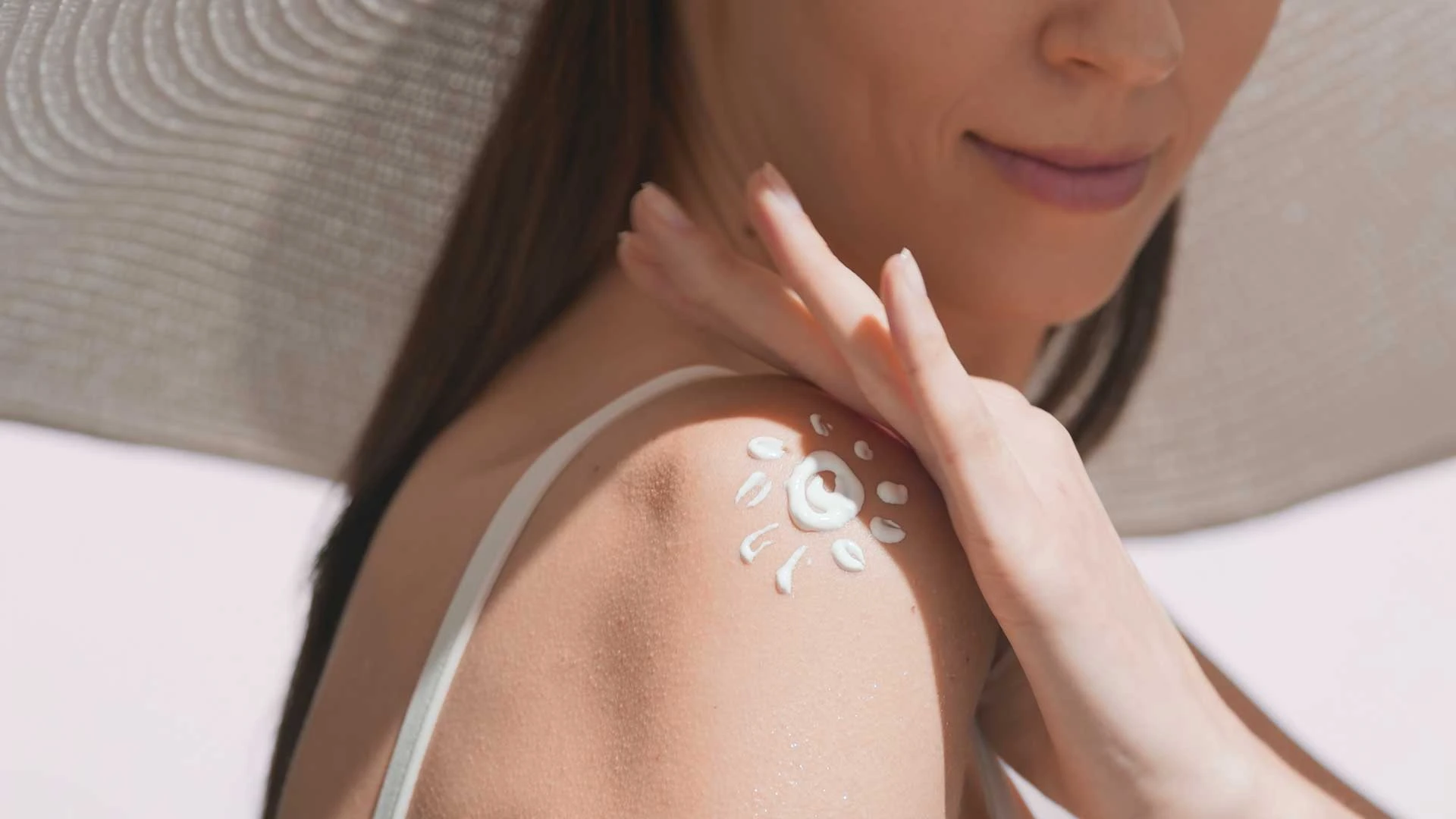
The three-finger rule provides the right amount for your face and neck. Squeeze sunscreen along your index, middle, and ring fingers, then apply evenly. Most people use far too little—you need about one ounce (two tablespoons) for your entire body. Apply sunscreen 30 minutes before sun exposure to allow proper absorption, then reapply every two hours or immediately after swimming or sweating.
Sensitive skin benefits from mineral sunscreens containing zinc oxide or titanium dioxide. Oily skin types should choose oil-free, non-comedogenic formulas that won't clog pores. Dry skin needs moisturizing sunscreens with ingredients like hyaluronic acid or ceramides.
Don't forget your ears, neck, feet, and hair parting line. These areas burn easily and are often overlooked. Apply sunscreen to your eyelids using a gentle, ophthalmologist-tested formula, and don't skip the tops of your feet when wearing sandals.
Clothing provides your first line of defense against harmful UV rays. Sun protective clothing with UPF (Ultraviolet Protection Factor) ratings offers reliable protection that doesn't wash off or need reapplication. UPF 30 blocks 97% of UV rays, while UPF 50+ blocks 98% or more. Look for tightly woven fabrics in darker colors, which absorb more UV radiation than light colors.
Essential protective gear includes wide-brimmed hats that shade your face, neck, and ears. Choose hats with at least a 4-inch brim all around. UV-blocking sunglasses protect the delicate skin around your eyes and prevent cataracts. Look for sunglasses that block 99-100% of UV rays and wrap around your face for maximum coverage.
Tightly woven materials offer better protection than loose weaves. Hold fabric up to light—if you can see through it, UV rays can penetrate. Long sleeves and pants provide more coverage than shorts and tank tops, even in hot weather.
Regular dark-colored clothing offers decent protection. Wet fabric loses some protective ability, so pack extra dry clothes for water activities. Laundry additives can boost regular clothing's UPF rating affordably.
This proven sun safety framework makes protection simple to remember and implement. The five S's—Slip, Slop, Slap, Seek, and Slide—cover all essential protection methods. Following this strategy consistently reduces your skin cancer risk by up to 50% and prevents premature aging caused by UV damage.
Start with clothing as your base layer of protection. Choose long sleeves, pants, and covered shoes when possible. Apply this strategy especially during peak UV hours from 10 AM to 4 PM.
Apply generous amounts of broad-spectrum sunscreen to all exposed skin. Use the three-finger rule for your face and don't forget often-missed spots like ears and feet.
Wide-brimmed hats protect your face, neck, and ears effectively. Baseball caps leave your neck and ears exposed, so choose broader coverage when possible.
Find or create shade during peak UV hours. Remember that shade from umbrellas or trees may not block all reflected UV rays from sand, water, or concrete.
Protect your eyes and surrounding skin with UV-blocking sunglasses. Choose wraparound styles for maximum coverage and comfort.
Sun protection for children requires extra attention since their skin is more sensitive and they'll experience more lifetime sun exposure. Use mineral sunscreens on babies over 6 months old, and keep infants under 6 months in complete shade. Teach children to apply sunscreen themselves and make protection a fun daily habit.
High-risk situations demand enhanced protection strategies. Water activities require water-resistant sunscreen and frequent reapplication. Snow and sand reflect UV rays, increasing exposure intensity. High-altitude locations have stronger UV radiation, so increase your protection level accordingly.
Support your skin's natural defenses with antioxidant-rich foods like tomatoes, leafy greens, and berries. Stay hydrated to maintain healthy skin barrier function. Time outdoor activities for early morning or late afternoon when UV intensity is lower.
Some medications increase photosensitivity, making you burn more easily. Common culprits include certain antibiotics, blood pressure medications, and acne treatments. Consult your doctor about extra precautions if you take any medications.
When prevention isn't enough, proper after sun care minimizes damage and promotes healing. Sunburn prevention is always preferable, but knowing how to treat burns properly reduces complications and discomfort. Cool compresses, gentle moisturizers, and adequate hydration form the foundation of effective sunburn treatment.
For immediate relief, take cool baths or showers and apply aloe vera gel or moisturizers while skin is still damp. Drink extra water to combat dehydration, and take over-the-counter pain relievers if needed. Avoid products with petroleum, benzocaine, or lidocaine, which can trap heat or cause allergic reactions.
Severe sunburns with blistering, fever, chills, or signs of infection require medical care. Watch for warning signs like severe pain, extensive blistering, or symptoms of heat exhaustion.
Apply broad-spectrum SPF 30+ sunscreen 30 minutes before exposure, wear protective clothing and wide-brimmed hats, seek shade during peak hours (10 AM-4 PM), reapply sunscreen every 2 hours, and wear UV-blocking sunglasses to protect your eyes and surrounding skin.
Combination protection works best—clothing provides the most reliable coverage, sunscreen protects exposed areas, and shade reduces overall exposure. No single method offers complete protection, so layering multiple strategies gives optimal results.
Check weather apps, websites, or local forecasts for daily UV Index readings. Ratings of 0-2 are low risk, 3-5 are moderate, 6-7 are high, 8-10 are very high, and 11+ are extreme. Plan outdoor activities and protection levels accordingly.
UVA rays penetrate windows, so apply sunscreen if you sit near windows for extended periods. Winter sun reflects off snow and can cause burns, especially at higher altitudes. Year-round protection prevents cumulative damage.
Effective sun protection combines multiple strategies rather than relying on sunscreen alone. Apply generous amounts of broad-spectrum sunscreen, wear protective clothing and accessories, and seek shade during peak UV hours. Remember that consistent daily protection matters more than perfect protection occasionally. Start implementing these sun protection tips today to safeguard your skin's health and appearance for years to come. Your future self will thank you for the protection you provide now.
