


Step-by-Step Guide to Tanning Your Face Safely
Your Cart
0You May Also Like
Getting a beautiful, even tan on your face requires a completely different approach than tanning your body. Your facial skin is more delicate, sensitive, and prone to damage from UV exposure. Many people make the mistake of treating their face the same way they treat their body when tanning, leading to uneven color, premature aging, or even burns. The key to successful facial tanning lies in understanding proper preparation, choosing the right methods, and prioritizing skin protection above all else. Whether you prefer natural sun exposure or self-tanning products, following the right tips for tanning on face will help you achieve that healthy glow while keeping your skin safe and beautiful.
Proper preparation makes the difference between a gorgeous, even tan and a patchy disaster. Your face needs special attention before any tanning session. Start by creating the perfect canvas for your tan through gentle preparation steps that protect your skin while ensuring optimal results.
Begin your preparation 24 hours before tanning with gentle exfoliation. Use a soft washcloth or mild facial scrub to remove dead skin cells, but avoid harsh scrubbing that could irritate your skin. Clean skin absorbs tanning products more evenly and allows natural tanning to develop smoothly.
Always perform a patch test on a small area behind your ear or on your inner wrist before applying any new tanning product to your face. This simple step can prevent allergic reactions and help you gauge how your skin will respond to the product.
When selecting products for face tanning tips, remember that facial skin requires specialized formulations. Look for products specifically designed for facial use, as they contain gentler ingredients and appropriate SPF levels. Regular body tanning lotions can clog facial pores and cause breakouts.
Key ingredients to seek include hyaluronic acid for hydration, antioxidants like vitamin E for protection, and gentle bronzing agents. Avoid products with heavy fragrances, alcohol, or comedogenic ingredients that might irritate your delicate facial skin.
If you choose to tan naturally in the sun, understanding how to tan face safely becomes crucial. Natural sun tanning can give beautiful results when done correctly, but it requires patience and careful attention to timing and protection.
Start with just 10-15 minutes of sun exposure during the safest hours, typically before 10 AM or after 4 PM. Gradually increase your exposure time by 5 minutes every few days, allowing your skin to build tolerance naturally. This method helps prevent burns while encouraging healthy melanin production.
Even when sun tanning face, protection remains essential. Apply a broad-spectrum SPF 15-30 specifically designed for faces. Higher SPF levels will slow tanning but provide better protection against premature aging and skin damage. Reapply every two hours, especially if you're sweating or swimming.
Protect sensitive areas like your lips with SPF lip balm, and consider wearing sunglasses to prevent squinting lines and protect the delicate eye area.
Self-tanning products offer the best way to tan face without UV exposure risks. These products have improved dramatically in recent years, offering natural-looking results without the orange tones of older formulations.
When using tanning lotion for face, start with clean, dry skin. Apply the product in thin, even layers using circular motions. Work quickly but carefully, blending well around the hairline, eyebrows, and jawline to avoid harsh lines.
Use a makeup sponge or tanning mitt for better control and even application. Pay special attention to areas that naturally receive more sun, like your forehead, nose, and cheeks, applying slightly more product to these areas for realistic results.
Professional spray tans offer expert application and custom color matching, making them ideal for special events or if you're new to tanning for face. At-home options provide convenience and cost savings, but require practice to master the technique.
For those seeking a natural face tan, several safe options can enhance your skin's natural color without harsh chemicals or excessive sun exposure. These methods work slowly but provide subtle, healthy-looking results.
Certain foods rich in beta-carotene, like carrots, sweet potatoes, and spinach, can naturally enhance your skin's golden tone when consumed regularly. While this won't create a dramatic tan, it can give your skin a healthy, warm glow from within.
Tea-based toners made from black tea can provide subtle color enhancement. Brew strong black tea, let it cool, and apply with a cotton pad for a gentle, natural tinting effect.
Proper aftercare ensures your tan lasts longer and your skin stays healthy. Tanning face safely doesn't end when you achieve your desired color – maintenance and care are equally important for long-term skin health.
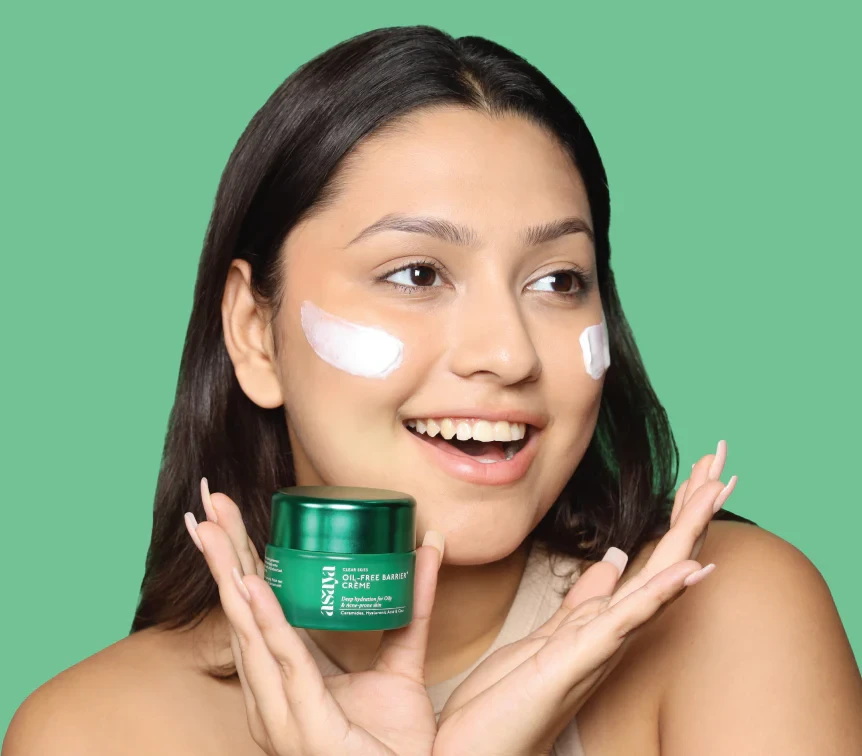
Moisturize your face twice daily with a gentle, hydrating cream to prevent peeling and extend your tan's life. Look for products containing ingredients like ceramides, hyaluronic acid, or glycerin that help maintain skin barrier function.
Avoid harsh exfoliants or retinol products immediately after tanning, as these can cause your tan to fade unevenly or irritate freshly tanned skin.
This comprehensive face tan guide emphasizes gradual touch-ups rather than intensive tanning sessions. Light, frequent applications of self-tanner or brief sun exposure maintain color better than sporadic intensive sessions.
The safest fast option is quality self-tanning products designed for faces. These can show results within 4-6 hours. Avoid rushing natural sun tanning, as this increases burn risk significantly.
Gentle exfoliation with a soft washcloth and mild cleanser helps fade self-tanner gradually. For natural tans, time and gentle skincare are the safest removal methods. Avoid harsh scrubs that can damage skin.
Yes, but choose facial-specific formulas that won't clog pores. Look for broad-spectrum protection with SPF 15-30 for gradual tanning, or higher SPF if you want protection without color development.
For self-tanning, once or twice weekly is usually sufficient for maintenance. Natural sun tanning should be limited to 15-20 minutes every few days, with rest days between sessions for skin recovery.
Safe facial tanning requires patience, proper products, and consistent protection. Whether you choose natural sun exposure or self-tanning products, always prioritize your skin's health over quick results. Remember that a gradual approach produces the most natural-looking, long-lasting results while minimizing damage risks. Your face deserves special care – treat it with the gentle attention it needs, and you'll enjoy beautiful, healthy-looking color that enhances your natural beauty without compromising your skin's future health.
