


A Guide to Maximizing Facial Sunscreen Benefits
Your Cart
0You May Also Like
Your face deserves the best protection possible. Every day, your facial skin faces a barrage of UV rays that can cause lasting damage, from premature wrinkles to serious health concerns. Understanding facial sunscreen benefits goes far beyond preventing a simple sunburn. When you apply face sunscreen correctly, you're investing in your skin's long-term health and appearance. The right approach to daily sunscreen use can reduce your risk of skin cancer by up to 50% while keeping your complexion youthful and radiant. Let's explore how to maximize these incredible benefits through proper application and smart product choices.
Your facial skin needs specialized care because it's constantly exposed to environmental stressors. Unlike the skin on your body, your face has thinner, more delicate tissue that shows damage faster and more visibly.
UVA and UVB rays affect your skin in different but equally harmful ways. UVA rays penetrate deep into your skin's dermis layer, breaking down collagen and elastin fibers that keep your skin firm and smooth. These rays cause up to 80% of visible aging signs, including wrinkles, sagging, and age spots. UVB rays primarily affect the skin's surface, causing sunburn and playing a major role in skin cancer development. Your facial skin contains fewer oil glands and has a thinner protective barrier compared to body skin, making it more vulnerable to both types of damage.
The numbers speak volumes about sun protection importance. Regular sunscreen use reduces squamous cell carcinoma risk by 40% and melanoma risk by 50% when using SPF 15 or higher. Even more surprising, 80% of UV rays penetrate through clouds, meaning your skin needs protection even on overcast days. Indoor workers still receive significant UV exposure through windows, especially UVA rays that cause premature aging.
The advantages of consistent face sunscreen use extend far beyond preventing sunburn. These benefits compound over time, creating dramatic differences in skin health and appearance.
Anti-aging sunscreen works by preserving your skin's natural collagen and elastin production. UV exposure triggers enzymes that break down these essential proteins, leading to fine lines, wrinkles, and sagging skin. Daily sunscreen use can slow this process by up to 24%, keeping your skin looking younger for decades longer.
Consistent sun damage prevention helps maintain an even complexion by blocking the UV rays that trigger excess melanin production. This prevents new dark spots, age spots, and melasma from forming while allowing existing hyperpigmentation to fade naturally with proper treatment.
Skin cancer prevention represents the most critical benefit of regular sunscreen use. Facial skin cancer rates continue climbing, but daily SPF 30+ application can reduce your lifetime risk significantly. Early intervention through consistent protection proves far more effective than treating damage after it occurs.
Sunscreen prevents the inflammatory response that causes redness, swelling, and discomfort. For people with rosacea or sensitive skin, daily sun protection helps manage flare-ups and reduces overall skin reactivity.
Proper application technique determines how well your sunscreen protects your skin. Following these steps ensures you get the full sunscreen benefits from your chosen product.
The best facial sunscreen depends on your specific skin needs and lifestyle. Mineral sunscreens containing zinc oxide and titanium dioxide work well for sensitive or acne-prone skin because they sit on the surface and don't clog pores. Chemical sunscreens absorb into the skin and often feel lighter, making them ideal for daily wear under makeup. Always choose broad-spectrum protection with SPF 30 or higher for adequate coverage.
Apply about one-quarter teaspoon of sunscreen for face and neck coverage. This might seem like a lot, but using less reduces your protection significantly. Dot the product across your forehead, cheeks, nose, and chin, then blend evenly. Don't forget often-missed areas like your eyelids, ears, and the area around your hairline. Wait at least 15 minutes before sun exposure to allow proper absorption.
Reapply every two hours when outdoors, or immediately after swimming or sweating heavily. Indoor workers should reapply once during the day, especially if sitting near windows. Keep a lightweight sunscreen at your desk or in your bag for easy touch-ups.
Understanding sunscreen ingredients helps you choose products that offer the best protection for your specific concerns and skin type.
These mineral ingredients create a physical barrier that reflects UV rays away from your skin. They're particularly beneficial for people with hyperpigmentation because they don't cause the inflammation that can worsen dark spots. Zinc oxide provides the broadest spectrum protection, covering both UVA and UVB rays effectively.
Avobenzone, octinoxate, and oxybenzone absorb UV rays and convert them to heat. These ingredients create lighter, more cosmetically elegant formulations that blend seamlessly under makeup. However, some people with very sensitive skin may experience irritation from chemical filters.
Many facial sunscreens now include antioxidants like vitamin C and E, which provide additional protection against free radical damage. Hyaluronic acid and ceramides add moisturizing benefits, while niacinamide can help control oil production and minimize pores.
Avoiding these common errors ensures you get maximum protection from your sunscreen routine.
Most people apply only 25-50% of the recommended amount, dramatically reducing their protection. A quarter-teaspoon might look like too much initially, but proper coverage requires this full amount. Focus on building thin, even layers rather than trying to blend a large amount all at once.
Clouds block only about 20% of UV rays, leaving your skin vulnerable to significant damage. UVA rays penetrate through windows, meaning you need protection even when working indoors all day. Make sunscreen application as automatic as brushing your teeth.
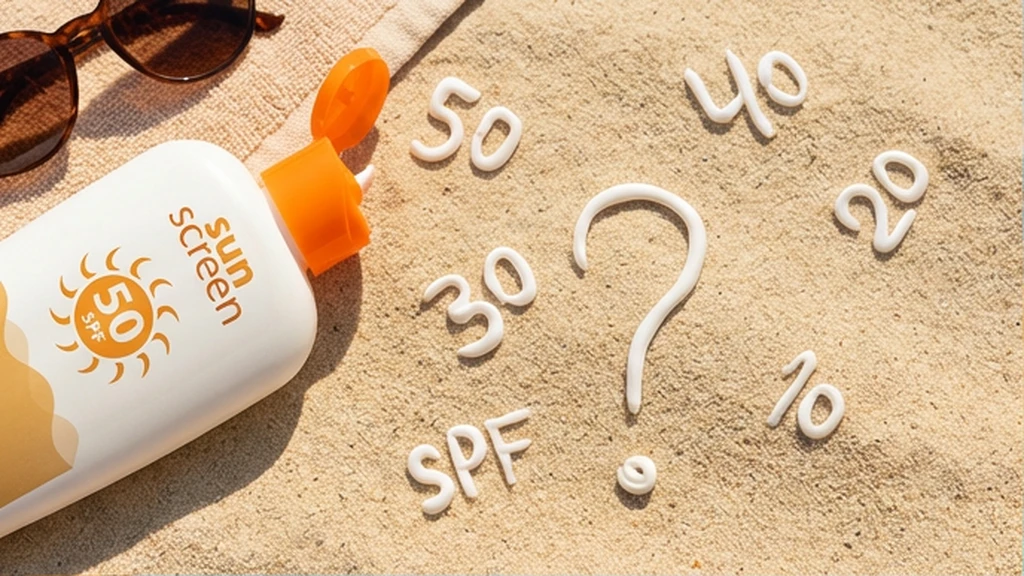
SPF 30 blocks 97% of UVB rays, while SPF 50 blocks 98%. For most daily activities, SPF 30 provides adequate protection. However, if you spend extended time outdoors, have very fair skin, or are using products that increase photosensitivity, SPF 50 offers that extra margin of safety.
Yes, facial sunscreen provides essential protection against UV damage, prevents premature aging, reduces skin cancer risk by up to 50%, and maintains healthy collagen levels for smoother skin.
Daily facial sunscreen application is crucial since up to 80% of UV rays penetrate clouds, and UVA rays pass through windows, making consistent protection necessary for long-term skin health.
Mineral sunscreens with zinc oxide and titanium dioxide work best for hyperpigmentation as they create a physical barrier without causing inflammation that can worsen pigmentation.
Some chemical sunscreen ingredients may have minimal hormonal effects, but the benefits of sun protection far outweigh risks. Mineral sunscreens offer hormone-free alternatives.
SPF 50 blocks 98% of UVB rays vs 97% for SPF 30, providing marginally better protection for extended outdoor exposure or very fair skin types.
Maximizing facial sunscreen benefits requires consistent daily application, proper technique, and choosing the right product for your skin type. The investment in quality sun protection pays dividends in healthier, younger-looking skin for years to come. Remember that sunscreen works best as part of a comprehensive skincare routine that includes gentle cleansing, targeted treatments, and appropriate moisturizing. Your future self will thank you for the protection you provide today.
