


Step-by-Step Guide to Choosing the Perfect Daily Sunscreen
Your Cart
0You May Also Like
Finding the right lightweight sunscreen daily use can feel overwhelming with countless options flooding the market. Your skin deserves protection that doesn't compromise comfort or your daily routine. The perfect daily sunscreen should feel invisible on your skin while providing reliable protection against harmful UV rays. Whether you're dealing with oily skin, sensitivity, or simply want a formula that plays well under makeup, understanding what makes a sunscreen truly suitable for everyday wear will transform your skincare game. Let's break down everything you need to know to make the smartest choice for your skin.
Your skin faces UV damage every single day, even when you're not planning beach trips or outdoor adventures. Research shows that up to 80% of visible skin aging comes from sun exposure, making daily sunscreen your most powerful anti-aging tool. The cumulative effect of UV rays doesn't take breaks for cloudy days or winter months.
Consistent sun protection prevents more than just sunburn. UV rays penetrate through windows, reflect off surfaces, and reach your skin even during brief outdoor moments like walking to your car. This constant exposure leads to premature aging, dark spots, and increased skin cancer risk. Studies reveal that people who use spf for daily use consistently show significantly less skin damage over time compared to occasional users.
Many people believe they only need sunscreen during summer or sunny days. This myth costs your skin dearly. UVA rays remain constant year-round and penetrate clouds easily. Even indoor workers receive UV exposure through windows during commutes and lunch breaks. Making sunscreen a non-negotiable daily habit protects your investment in other skincare products and prevents future damage that's much harder to reverse.
Not all sunscreens work the same way, and understanding these differences helps you choose the best option for your needs. Sunscreen for face typically differs from body formulations in texture, ingredients, and performance under makeup.
Chemical sunscreens absorb UV rays and convert them to heat, while mineral sunscreen creates a physical barrier that reflects rays away from skin. Chemical options tend to feel lighter and blend invisibly, making them popular for daily wear. Mineral formulas offer immediate protection and work better for sensitive skin types.
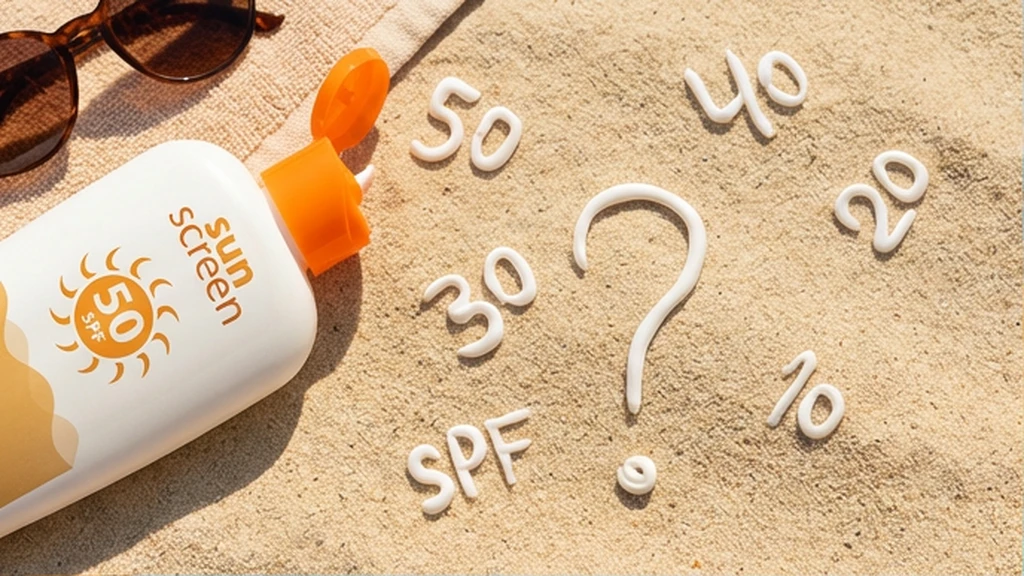
SPF 30 blocks about 97% of UVB rays, while SPF 50 blocks 98%. The difference seems small, but that extra 1% matters for daily protection. Face sunscreen should always offer broad-spectrum protection, covering both UVA and UVB rays. Look for PA ratings too - PA++++ provides the highest UVA protection available.
Your skin type determines which non greasy sunscreen formula will work best for your daily routine. The wrong choice can lead to breakouts, excessive shine, or uncomfortable heaviness that makes you skip application altogether.
Sunscreen for oily skin should contain oil-free, mattifying ingredients. Look for gel-based formulas with niacinamide or zinc oxide that control shine while protecting. Avoid heavy creams that can clog pores or create excessive greasiness throughout the day.
Sunscreen sensitive skin types need fragrance-free, mineral-based options. Zinc oxide and titanium dioxide cause fewer reactions than chemical filters. Choose formulas without alcohol, essential oils, or harsh preservatives that might trigger irritation or redness.
Dry skin benefits from sunscreens with hydrating ingredients like hyaluronic acid, glycerin, or ceramides. Cream-based formulas provide moisture while protecting, eliminating the need for separate moisturizer in your morning routine.
The best sunscreen for daily wear combines effective protection with user-friendly features that encourage consistent use. Texture plays a huge role in whether you'll actually reach for your sunscreen every morning.
Lightweight sunscreen daily use formulas should absorb quickly without leaving white residue or sticky feelings. Gel textures work well for oily skin, while fluid formulations suit most skin types. Water resistance isn't always necessary for daily wear, but it helps during exercise or humid weather.
Modern sunscreens often include bonus ingredients like antioxidants, which boost protection against environmental damage. Vitamin C, vitamin E, and niacinamide enhance your sunscreen's effectiveness while providing additional skin benefits. Blue light protection has become increasingly important for people who spend significant time in front of screens.
Proper application makes the difference between adequate and excellent protection. Most people use far less sunscreen than needed, reducing effectiveness significantly.
Apply about 1/4 teaspoon of daily sunscreen to your face and neck 15-30 minutes before sun exposure. This timing allows the formula to bind properly with your skin. Don't forget often-missed areas like your ears, hairline, and the area around your eyes.
Layer sunscreen after moisturizer but before makeup. If your sunscreen contains moisturizing ingredients, you might skip separate moisturizer to streamline your routine. Reapplication becomes crucial during extended outdoor time, but for typical daily wear, morning application usually suffices unless you're sweating heavily or spending hours outdoors.
Understanding ingredient lists helps you choose formulas that work with your skin rather than against it. Lightweight sunscreen daily use products rely on specific ingredients to achieve their comfortable feel.
Effective UV filters include zinc oxide and titanium dioxide for mineral options, or avobenzone and octinoxate for chemical formulas. Mineral sunscreen ingredients tend to feel heavier but cause fewer sensitivities. Chemical filters blend more easily but may irritate reactive skin types.
Beneficial additives like hyaluronic acid provide hydration, while silicones create smooth application and wear. Niacinamide controls oil production and reduces inflammation. Avoid heavy oils, denatured alcohol, and artificial fragrances if you have sensitive or acne-prone skin.
The best everyday sunscreen depends on your skin type, but look for broad-spectrum SPF 30-50 with lightweight texture. Gel formulas work well for oily skin, while cream-based options suit dry skin types.
Gel-based and fluid sunscreens typically feel lightest on skin. Chemical sunscreens generally have lighter textures than mineral options, though newer mineral formulas have improved significantly.
While possible, face-specific formulas are usually lighter and less likely to cause breakouts. Body sunscreens may feel too heavy for facial use, especially under makeup.
Reapply every two hours during extended sun exposure. For typical daily activities, morning application usually provides adequate protection unless you're sweating heavily or spending significant time outdoors.
Yes, UVA rays penetrate windows and clouds. Daily sunscreen use protects against cumulative damage that occurs during brief outdoor moments and window exposure throughout the day.
Choosing the perfect lightweight sunscreen daily use formula transforms your skincare routine from chore to pleasure. The right sunscreen feels comfortable, works with your skin type, and provides reliable protection without compromising your daily activities. Remember that consistency matters more than perfection - a good sunscreen you use every day beats an amazing one that sits unused in your drawer. Take time to understand your skin's needs, test different formulas, and invest in quality protection that encourages daily use. Your future self will thank you for making sun protection a non-negotiable part of your wellness routine.
