


Step-by-Step Guide: Finding the Best Dry Skin Sunscreen
Your Cart
0You May Also Like
Finding the right sunscreen when you have dry skin can feel like searching for a needle in a haystack. Your skin craves moisture, but many sunscreens leave it feeling tight, flaky, or even more parched than before. The good news? The perfect best dry skin sunscreen exists, and with the right knowledge, you can find it. This step-by-step guide will walk you through everything you need to know about selecting a sunscreen for dry skin that protects without compromising your skin's comfort. From understanding key ingredients to mastering application techniques, you'll discover how to make sun protection work for your unique skin needs.
Dry skin faces unique challenges when it comes to sun protection for dry skin. Unlike other skin types, dry skin has a compromised barrier function that struggles to retain moisture. When you add traditional sunscreens to the mix, many formulas can strip away what little moisture your skin has managed to hold onto.
The problem lies in common sunscreen ingredients like alcohol, which evaporates quickly and takes your skin's natural moisture with it. Some chemical UV filters can also cause irritation or dryness, especially when your skin barrier is already weakened. This is why choosing a sunscreen for dry skin requires more than just looking at the SPF number on the bottle.
The secret to finding an effective hydrating sunscreen lies in understanding which ingredients work best for your skin type. Not all sunscreen formulations are created equal, and the right combination of UV protection and moisture can make all the difference.
When shopping for a moisturizing sunscreen, focus on products that combine sun protection with skin-loving ingredients that actually improve your skin's hydration levels throughout the day.
Look for sunscreens that contain hyaluronic acid, which can hold up to 1,000 times its weight in water. Glycerin and ceramides are also excellent choices as they help repair your skin's natural barrier while providing lasting moisture. Some formulas include thermal water or natural moisturizing factors that work continuously to keep your skin comfortable.
Zinc oxide and titanium dioxide are mineral UV filters that tend to be gentler on dry, sensitive skin. These ingredients sit on top of your skin rather than absorbing into it, making them ideal for a sunscreen for sensitive skin. Chemical filters like avobenzone and octinoxate can work well too, but choose formulas that pair them with moisturizing ingredients.
Niacinamide helps strengthen your skin barrier while reducing inflammation. Aloe vera and botanical extracts provide immediate soothing relief, while antioxidants like vitamin E protect against environmental damage beyond UV rays.
Finding the best sunscreen for face when you have dry skin requires a systematic approach. Rather than grabbing the first tube you see, take time to evaluate your specific needs and test different options.
This process will help you narrow down your choices and find a daily sunscreen that you'll actually want to use every day.
Start by honestly evaluating how dry your skin really is. Do you experience tightness after cleansing? Are there visible flakes or rough patches? Consider your climate too – dry, windy conditions require more intensive hydration than humid environments.
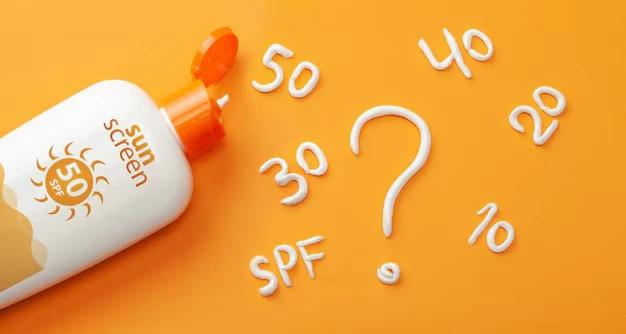
For daily use, spf for dry skin should be at least SPF 30, but SPF 50 offers better protection if you spend significant time outdoors. Look for broad-spectrum protection that shields against both UVA and UVB rays.
Cream formulations typically work best for dry skin, offering richer moisture than gels or lightweight lotions. Test how the product feels on your skin and whether it absorbs well without leaving a greasy residue.
Choose a non-greasy sunscreen that layers well with your existing skincare routine and makeup. Consider whether you need separate face and body formulas or if one product can work for both areas.
Even the best sunscreen lotion for dry skin won't work properly if you don't apply it correctly. Proper application technique ensures you get full protection while maintaining your skin's moisture levels throughout the day.
The key is to treat sunscreen application as part of your hydrating skincare routine rather than an afterthought that might disrupt your skin's moisture balance.
Use about 1/4 teaspoon of sunscreen for your face and neck. Apply it gently in upward strokes, allowing each layer to absorb before adding more. Don't rub too vigorously, as this can disturb any moisturizers you've applied underneath.
Apply your regular moisturizer first, wait a few minutes, then add your sunscreen. This creates multiple layers of hydration while ensuring your UV protection stays intact. Some people prefer mixing a small amount of facial oil with their sunscreen for extra moisture.
Reapply every two hours by gently patting fresh sunscreen over your existing layers. If you're wearing makeup, consider a setting spray with SPF or a powder sunscreen for touch-ups that won't disturb your base.
Many people unknowingly sabotage their sun protection routine by making simple mistakes that can worsen dry skin conditions. Understanding these pitfalls will help you make better choices and get the most from your best dry skin sunscreen.
Avoiding these common errors can mean the difference between a sunscreen that enhances your skin's health and one that leaves you dealing with increased dryness and irritation.
Using alcohol-heavy formulations that strip away natural oils
Skipping patch tests, especially if you have sensitive skin
Applying too little product to save money or avoid greasiness
Choosing SPF based on marketing claims rather than your actual sun exposure
Forgetting to protect often-missed areas like ears, neck, and hands
Mixing products with incompatible ingredients that can cause irritation
Using the same formula year-round without adjusting for seasonal changes
The best sunscreen for dry skin combines broad-spectrum UV protection with hydrating ingredients like hyaluronic acid, glycerin, or ceramides. Mineral sunscreens with zinc oxide or titanium dioxide tend to be gentler, while chemical sunscreens can work well if formulated with moisturizing components. Look for cream-based formulas rather than gels or sprays.
For daily use, SPF 30 provides adequate protection and often comes in more moisturizing formulations. SPF 50 offers better protection for extended outdoor activities but may contain more active ingredients that could potentially dry out sensitive skin. Choose based on your sun exposure level and skin tolerance.
While you can use the same product, facial sunscreens are typically formulated to be lighter and less likely to clog pores. Body sunscreens may be too heavy for facial use but can work if your skin is extremely dry. Consider your specific needs and comfort level with different textures.
Reapply every two hours during sun exposure, just like any other skin type. For dry skin, use gentle patting motions rather than rubbing to avoid disturbing your skin's moisture barrier. Consider carrying a hydrating mist to refresh your skin between applications.
Most people with dry skin benefit from using both a moisturizer and sunscreen. Apply moisturizer first, allow it to absorb, then add your sunscreen. This layering approach provides optimal hydration and ensures your sunscreen applies evenly without pilling or flaking.
Finding the perfect sunscreen for dry skin doesn't have to be overwhelming when you know what to look for. Focus on formulas that combine effective UV protection with skin-nourishing ingredients, and don't be afraid to invest in a quality product that meets your specific needs. Remember that the best sunscreen is the one you'll use consistently every day. Take time to test different options, pay attention to how your skin responds, and adjust your routine as needed. With the right approach, you can enjoy comprehensive sun protection while keeping your skin comfortable, hydrated, and healthy all year round.
