


Spray vs Lotion: Best Sunscreen Application Guide
Your Cart
0You May Also Like
Choosing the right sunscreen and applying it correctly can make the difference between healthy, protected skin and painful burns or long-term damage. With so many options available, from convenient sprays to traditional lotions, it's easy to feel overwhelmed. The truth is, both spray and lotion sunscreens can provide excellent protection when used properly. However, each type has unique benefits and application techniques that work better for different situations. Understanding these differences will help you make informed choices about your sun protection routine. Whether you're planning a beach day or just heading to work, mastering the best sunscreen application techniques ensures your skin stays safe and healthy year-round.
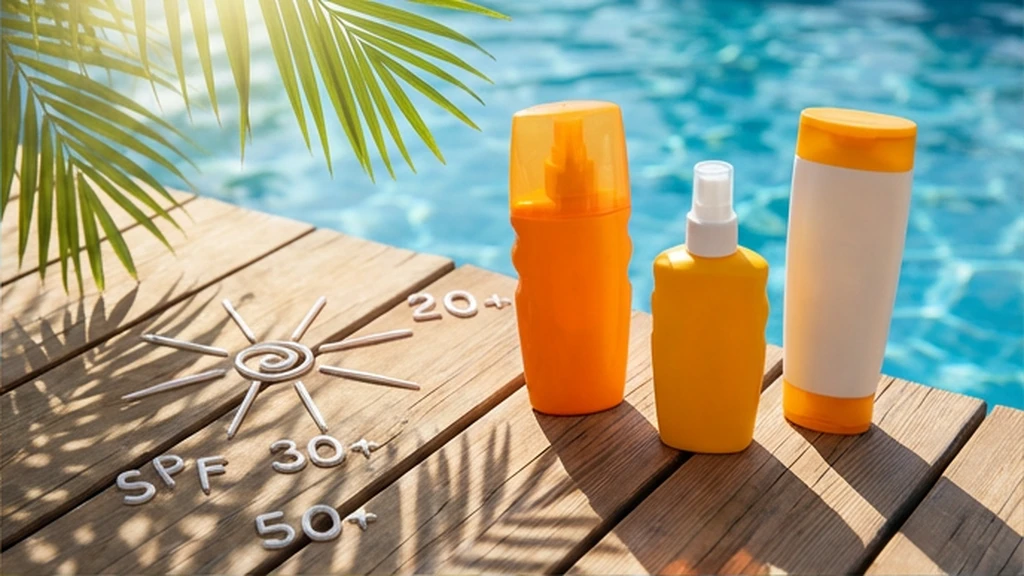
Sunscreen comes in various formulations, but sprays and lotions are the most popular choices for daily use. Both types of sunscreen offer unique advantages depending on your lifestyle and preferences. Lotion sunscreens provide more control over application and typically offer better coverage. They're easier to measure, ensuring you use the right amount for proper protection. Lotions also tend to be more moisturizing, making them ideal for people with dry skin. The thick consistency allows for even distribution and helps you see exactly where you've applied the product. Spray sunscreens offer convenience and speed, especially for hard-to-reach areas like your back. They're perfect for reapplication over makeup or when you're in a hurry. However, sprays can be tricky to apply evenly, and wind can blow the product away before it reaches your skin. Many people also don't use enough spray sunscreen, reducing its effectiveness.
Both sprays and lotions come in chemical and mineral formulations. Chemical sunscreens absorb UV rays and convert them to heat, while mineral sunscreens create a physical barrier that reflects UV rays away from your skin. Mineral options are gentler for sensitive skin but can leave a white cast.
For sensitive or acne-prone skin, look for non-comedogenic mineral formulations. Those with dry skin benefit from lotion sunscreens with added moisturizers. Oily skin types often prefer lightweight spray formulas that don't feel heavy or greasy.
Proper application is crucial for effective sun protection. The amount you use matters just as much as the SPF level on the bottle. The golden rule for body coverage is the "one-ounce rule." You need about one ounce of sunscreen (roughly a shot glass full) to cover your entire body properly. This might seem like a lot, but using less significantly reduces protection. For your face alone, use about half a teaspoon, which equals the "two-finger rule" - squeeze sunscreen along two fingers from base to tip. Timing is equally important for the best sunscreen application. Apply sunscreen 15-30 minutes before sun exposure to allow proper absorption into your skin. This waiting period ensures the active ingredients have time to bind with your skin and provide optimal protection.
For lotion sunscreen, start with clean, dry skin. Squeeze the recommended amount into your palm and apply in sections, rubbing thoroughly until fully absorbed. Work systematically from head to toe to avoid missing spots. For spray sunscreen, hold the bottle 4-6 inches from your skin and spray generously. Rub the product in with your hands to ensure even coverage. Never spray directly onto your face - instead, spray into your hands first, then apply.
Most people use only 25% of the recommended amount, dramatically reducing protection. Skipping reapplication is another major mistake. Even water-resistant formulas need refreshing every two hours or after swimming and sweating.
Your face and body have different needs when it comes to sunscreen for face and sunscreen for body application. Understanding these differences helps you choose the right products and techniques. Facial skin is more delicate and prone to irritation, so gentle application is key. Use patting motions rather than aggressive rubbing. Start at your forehead and work down, paying special attention to your nose, cheeks, and chin - areas that receive the most sun exposure. Body application requires more product and systematic coverage. Divide your body into sections and apply sunscreen to each area thoroughly. Don't forget often-missed spots like your ears, neck, hairline, tops of feet, and lips.
If you wear makeup, apply sunscreen as the last step in your skincare routine, before primer or foundation. Allow it to absorb completely before applying cosmetics. For reapplication throughout the day, consider powder sunscreens or makeup with SPF.
Your face typically needs higher protection than your body since it's constantly exposed. Consider using SPF 30-50 for daily facial protection, while SPF 30 may be sufficient for covered body areas.
Incorporating proper sunscreen use into your daily routine ensures consistent protection. Many people think sunscreen is only necessary for beach days, but UV rays penetrate clouds and windows, making daily application essential. Morning application should be part of your regular skincare routine. Apply sunscreen after moisturizer but before makeup. If you use multiple skincare products, allow each layer to absorb before adding the next. Reapplication every two hours is crucial for maintaining protection. This timeline applies regardless of SPF level or weather conditions. Set phone reminders if necessary - it's that important for sun safety.
Up to 80% of UV rays penetrate clouds, so don't skip sunscreen on overcast days. This is one of the most common misconceptions about sun protection. UV rays are present year-round, even in winter.
After swimming, sweating heavily, or toweling off, reapply immediately. Water-resistant formulas provide some protection during water activities but still need refreshing afterward.
Different situations call for specific sunscreen tips and application strategies. Understanding these scenarios helps you maintain protection in various environments. For makeup compatibility, choose sunscreens that work well under cosmetics. Mineral formulas often provide better makeup adhesion, while some chemical sunscreens can cause pilling or separation. SPF 30 blocks about 97% of UV rays, while SPF 50 blocks 98%. For daily use, SPF 30 is typically sufficient. However, if you have fair skin, a history of skin cancer, or plan extended outdoor activities, SPF 50 provides extra security.
For beach and pool activities, choose water-resistant formulas rated for 40 or 80 minutes. Remember that "waterproof" doesn't exist - all sunscreens need reapplication after water exposure.
Mineral sunscreens with zinc oxide or titanium dioxide are gentler for sensitive skin, rosacea, or hyperpigmentation concerns. These formulas are less likely to cause irritation or trigger skin reactions.
Even with good intentions, many people make mistakes that compromise their sun protection. Recognizing these errors helps you develop better habits. Using insufficient amounts is the most common mistake. The recommended one ounce for your body might feel like too much initially, but proper coverage requires generous application. Start with smaller amounts and build up if the texture feels overwhelming. Skipping reapplication is another major error. Even the highest SPF won't protect you all day without refreshing. Set regular reminders and keep sunscreen easily accessible for touch-ups.
Applying sunscreen right before sun exposure doesn't allow proper absorption. Plan ahead and apply 15-30 minutes early. Also, don't forget easily missed areas like your scalp part, eyelids, and between your toes.
Lotion sunscreen is generally better for beginners because it's easier to see coverage and measure the right amount. You can clearly see where you've applied it and ensure even distribution.
Apply sunscreen after moisturizer in your morning routine. Allow your moisturizer to absorb completely, then apply sunscreen as your final skincare step before makeup.
Use about half a teaspoon of sunscreen for your face and neck. This equals roughly the amount you can squeeze along two fingers from base to tip.
While you can use the same product, facial sunscreens are often formulated to be lighter and less likely to clog pores. Body sunscreens may feel too heavy for daily facial use.
Both types need reapplication every two hours, regardless of formulation. The reapplication schedule depends on sun exposure, not the sunscreen type.
Mastering the best sunscreen application involves choosing the right type for your needs and using proper techniques. Lotion sunscreens offer better control and coverage, while sprays provide convenience for reapplication and hard-to-reach areas. Remember the one-ounce rule for body coverage and half-teaspoon for your face. Apply 15-30 minutes before sun exposure and reapply every two hours without exception. Whether you prefer spray or lotion, consistent daily use with proper application techniques will keep your skin protected and healthy for years to come.
