


SPF Protection Duration FAQ: How Long Does Sunscreen Last?
Your Cart
0You May Also Like
Understanding how long your sunscreen protects you is crucial for maintaining healthy skin throughout the day. Many people apply sunscreen once in the morning and assume they're covered until evening, but SPF protection duration works differently than most expect. The reality is that no sunscreen provides all-day protection, regardless of its SPF rating. Whether you're using SPF 30 or SPF 50, the fundamental rules of sunscreen effectiveness remain the same. This comprehensive guide will answer your most pressing questions about SPF protection duration and help you develop a reliable sun protection routine.
The SPF protection duration follows a universal principle that surprises many people. Regardless of whether you choose SPF 30, 50, or even 100, your sunscreen provides effective protection for approximately two hours under normal conditions. This timeframe isn't arbitrary – it's based on extensive research into how sunscreen ingredients break down when exposed to UV radiation, heat, and environmental factors.
The sun protection factor number indicates how much longer you can stay in the sun compared to unprotected skin before burning. However, this doesn't translate directly to time duration. Sunscreen effectiveness diminishes gradually due to photodegradation, where UV rays actually break down the active ingredients that provide protection. Additionally, natural skin processes like sweating and oil production can reduce the sunscreen's adherence to your skin.
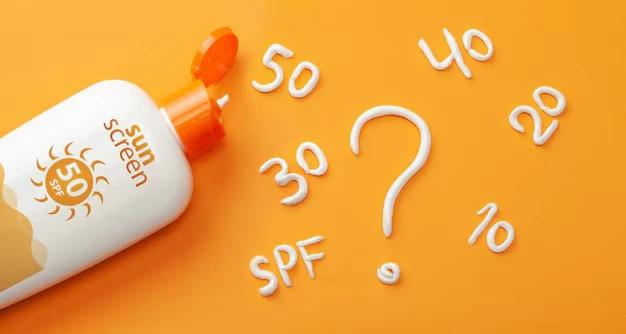
A common misconception is that higher SPF ratings provide longer-lasting protection. The truth is that SPF rating affects the strength of protection during the standard two-hour window, not the duration itself. Understanding this distinction is essential for proper daily sun protection.
SPF 30 blocks approximately 97% of UVB rays, while SPF 50 blocks about 98%. Both maintain their protective capabilities for the same two-hour period when properly applied. The higher SPF provides marginally better protection during this timeframe but doesn't extend the sunscreen duration.
Broad spectrum protection covers both UVA and UVB rays, and both types of coverage follow the same two-hour reapplication schedule. UVA rays penetrate deeper into skin and contribute to premature aging, while UVB rays primarily cause sunburn. Effective protection against both requires consistent reapplication regardless of the initial SPF strength.
Several environmental and personal factors can significantly reduce sunscreen effectiveness before the standard two-hour mark. Understanding these variables helps you determine when more frequent SPF reapplication becomes necessary.
Water exposure, whether from swimming or heavy sweating, dramatically reduces protection time. Even water-resistant formulas only maintain their effectiveness for 40 to 80 minutes when exposed to water. Heat and humidity accelerate the breakdown of sunscreen ingredients, while activities like toweling off or rubbing your skin can physically remove the protective layer. Wind and sand can also compromise your sun protection barrier.
Proper SPF reapplication is the cornerstone of effective sunburn prevention. The standard every-two-hours rule serves as a baseline, but certain situations require more frequent application to maintain optimal protection.
Apply sunscreen 15-30 minutes before sun exposure, then reapply every two hours throughout the day. This schedule ensures continuous protection as the active ingredients maintain their effectiveness. Set reminders on your phone to help establish this routine.
Swimming, intense exercise, or activities causing heavy sweating require immediate reapplication afterward. High-altitude environments and reflective surfaces like snow or water intensify UV exposure, potentially requiring hourly reapplication. Always reapply immediately after toweling off, regardless of how much time has passed since your last application.
Effective daily sun protection extends beyond just applying sunscreen. A comprehensive approach combines proper application techniques with complementary protective measures to ensure consistent coverage throughout the day.
Apply sunscreen generously – most people use only 25-50% of the recommended amount. Use approximately one ounce (two tablespoons) to cover your entire body, and don't forget often-missed areas like ears, feet, and the back of your neck. Layer your protection by combining sunscreen with protective clothing, wide-brimmed hats, and sunglasses. Seek shade during peak UV hours between 10 AM and 4 PM when possible.
Misconceptions about SPF protection duration can lead to inadequate sun protection and increased risk of skin damage. Let's address the most persistent myths that continue to circulate.
The biggest myth is that SPF numbers indicate protection time in minutes – this is completely false. SPF 30 doesn't last 30 minutes, nor does SPF 50 last 50 minutes. Another common misconception is that higher SPF provides longer-lasting protection. In reality, SPF 100 follows the same two-hour reapplication rule as SPF 30. No sunscreen is truly "waterproof" – the correct term is "water-resistant," and even these formulas require reapplication after water exposure.
SPF protection typically lasts 2 hours under normal conditions, regardless of the SPF rating. Higher SPF provides stronger protection during this timeframe, not longer duration. Environmental factors like water, sweat, and heat can reduce this protection time significantly.
No, SPF 50 and SPF 30 both follow the same 2-hour protection duration. The "50" indicates protection strength against UV rays, not time duration. Both require reapplication every two hours for continued effectiveness.
Reapply sunscreen every 2 hours as a baseline, and immediately after swimming, sweating heavily, or toweling off. During intense outdoor activities or in high-UV environments, consider reapplying every hour for optimal protection.
Makeup with SPF provides initial protection but typically isn't applied thickly enough for full coverage. It also follows the same 2-hour reapplication rule, making it impractical as your sole sun protection method throughout the day.
Chemical sunscreens need 15-30 minutes to absorb into skin and become effective. Mineral sunscreens work immediately upon application. Always apply sunscreen before heading outdoors to ensure proper protection activation.
Signs include skin feeling warm, developing redness, or showing any signs of sun exposure. However, don't wait for these symptoms – follow the 2-hour reapplication schedule preventively to maintain consistent protection.
Understanding SPF protection duration empowers you to make informed decisions about your sun protection routine. Remember that all sunscreens, regardless of their SPF rating, require reapplication every two hours for continued effectiveness. Environmental factors like water, sweat, and intense UV exposure can shorten this protection window, making more frequent reapplication necessary. The key to successful sunburn prevention lies in consistent application, proper coverage, and timely reapplication rather than relying solely on high SPF numbers. By incorporating these principles into your daily routine, you'll maintain better protection and healthier skin throughout your life.
