


Photoprotection Mechanisms vs. Sunscreen: Which Offers Better UV Protection?
Your Cart
0You May Also Like
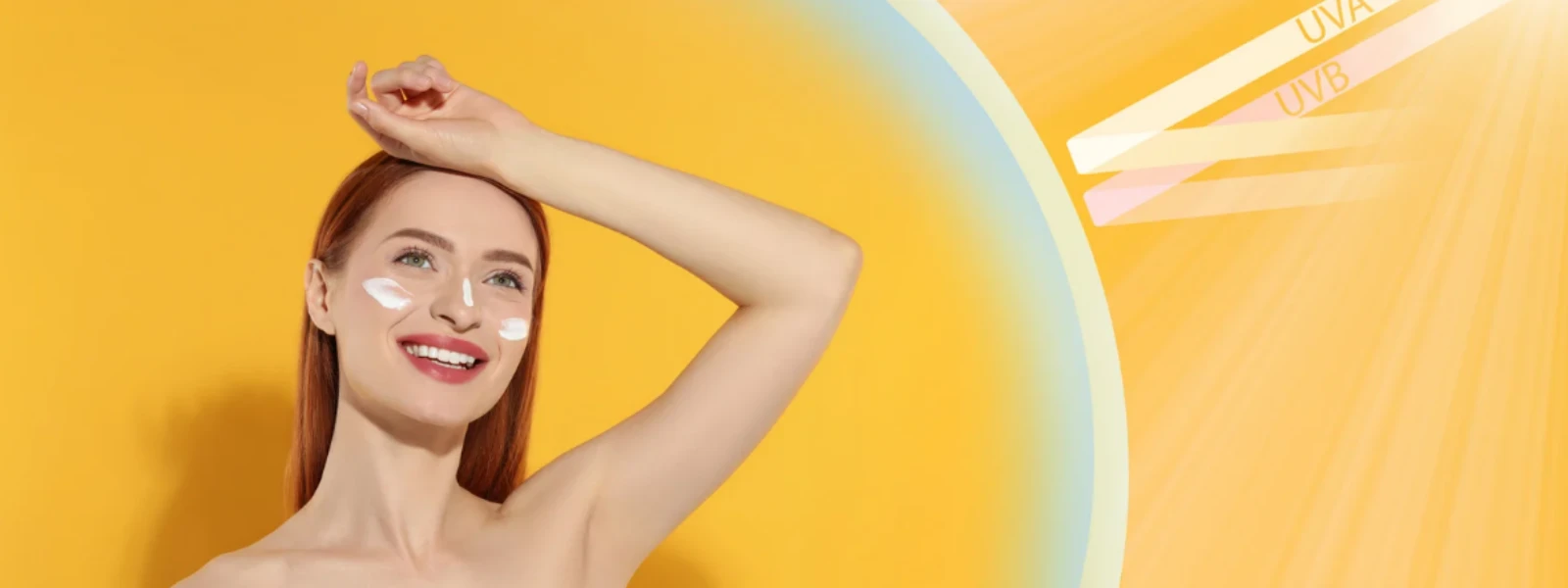
Your skin faces a daily battle against harmful UV radiation, but did you know your body has its own built-in defense system? While most people reach for sunscreen as their first line of protection, nature has equipped us with sophisticated photoprotection mechanisms that work around the clock. These natural defenses, combined with modern sunscreen technology, create a fascinating comparison in the world of sun protection. Understanding how both systems work can help you make smarter choices about protecting your skin from UV radiation and preventing long-term damage. Let's explore which approach truly offers superior protection for your skin's health and longevity.
Natural photoprotection mechanisms represent millions of years of evolutionary adaptation to harmful UV radiation. These biological systems work at the cellular level to prevent, repair, and minimize damage from sun exposure. Unlike sunscreen that sits on your skin's surface, these mechanisms operate from within your cells, providing continuous protection that doesn't wash off or wear away.
Your skin's primary defense comes from melanin, a natural pigment that absorbs UV energy and converts it to harmless heat. This process happens instantly when UV rays hit your skin, making melanin one of the most effective natural sunscreens available. The darker your skin tone, the more melanin you have, which explains why people with deeper skin tones have lower rates of skin cancer and photodamage.
Beyond melanin, your cells contain powerful antioxidants like vitamin C, vitamin E, and glutathione that neutralize free radicals created by UV exposure. These molecules work like tiny bodyguards, intercepting harmful particles before they can damage your DNA or cellular structures.
Your body also has sophisticated repair systems that fix UV-induced DNA damage. These enzymes work continuously to identify and correct genetic errors, preventing mutations that could lead to cancer. This repair process is most active during sleep, which is why good rest is crucial for skin protection.
The science behind natural photoprotection mechanisms reveals an intricate network of defenses that work together seamlessly. When UV rays penetrate your skin, multiple systems activate simultaneously to minimize damage and maintain cellular health. This coordinated response demonstrates why natural protection can be so effective when properly supported.
Non-photochemical quenching represents one of the most sophisticated natural defenses. This process allows cells to safely dissipate excess UV energy as heat rather than allowing it to cause chemical damage. Think of it like a pressure release valve that prevents your cellular machinery from overheating under intense sun exposure.
Your melanocytes respond to UV exposure by increasing melanin production within hours. This adaptive response means your natural protection actually improves with controlled sun exposure, creating a dynamic defense system that adjusts to your environment and lifestyle.
Your skin contains multiple layers of antioxidants that work in sequence. When one antioxidant neutralizes a free radical, it becomes oxidized itself, but other antioxidants can regenerate it, creating a recycling system that maximizes protection efficiency.
Modern sunscreen technology offers two distinct approaches to UV protection. Chemical sunscreens contain organic compounds that absorb UV radiation and convert it to heat, similar to how melanin works naturally. Physical sunscreens use mineral particles like zinc oxide and titanium dioxide to reflect and scatter UV rays away from your skin.
The effectiveness of sunscreen depends heavily on proper application and reapplication. Most people apply only 25-50% of the recommended amount, significantly reducing the actual SPF protection they receive. Additionally, sunscreen begins to break down within two hours of application, especially when exposed to water, sweat, or friction from clothing.
Chemical filters like avobenzone and octinoxate work by absorbing specific wavelengths of UV radiation. However, these molecules can break down over time, potentially forming harmful byproducts that may cause skin irritation or hormonal disruption in some individuals.
Mineral sunscreens provide immediate protection upon application and remain stable throughout the day. They're particularly effective for sensitive skin and offer broad-spectrum protection against both UVA and UVB rays without chemical absorption into the skin.
When comparing natural photoprotection mechanisms to sunscreen, the effectiveness varies significantly based on individual factors and circumstances. Natural melanin provides an estimated SPF of 2-4 for light skin tones and up to 13 for very dark skin tones. While this seems low compared to commercial sunscreens, natural protection offers several unique advantages that artificial products cannot match.
Natural protection works continuously without reapplication, provides internal cellular defense, and actually strengthens over time with appropriate sun exposure. However, for intense or prolonged sun exposure, especially for fair-skinned individuals, natural mechanisms alone may be insufficient to prevent photodamage and skin cancer.
Your natural defenses work 24/7, providing consistent baseline protection that doesn't diminish throughout the day. Sunscreen, while offering higher immediate protection, requires frequent reapplication and can be easily compromised by swimming, sweating, or toweling off.
Natural photoprotection mechanisms provide broad-spectrum defense against UV radiation, visible light, and even some infrared radiation. Many sunscreens focus primarily on UVB protection, with varying levels of UVA coverage, potentially leaving gaps in your protection.
You can significantly boost your natural photoprotection mechanisms through targeted nutrition, lifestyle choices, and gradual sun exposure. This approach works with your body's existing systems rather than replacing them, creating a more sustainable and comprehensive protection strategy.
Dietary antioxidants play a crucial role in supporting your skin's natural defenses. Foods rich in lycopene, beta-carotene, and polyphenols can increase your skin's resistance to UV damage by up to 25%. These nutrients work from the inside out, strengthening your cellular defenses and improving your skin's ability to repair UV-induced damage.
Include colorful fruits and vegetables, green tea, and omega-3 rich foods in your daily diet. These provide the raw materials your body needs to maintain and enhance its natural protection systems.
Controlled, gradual sun exposure helps build your natural protection by stimulating melanin production and strengthening cellular repair mechanisms. Start with short periods and gradually increase exposure time to build tolerance safely.
The most effective sun protection strategy combines natural photoprotection mechanisms with appropriate sunscreen use. This layered approach maximizes your defense against UV radiation while supporting your skin's long-term health and resilience. Rather than viewing these approaches as competing options, consider them complementary tools in your sun safety arsenal.
For daily activities with minimal sun exposure, your enhanced natural protection may be sufficient. However, for extended outdoor activities, high-altitude locations, or intense midday sun, adding sunscreen provides crucial additional protection. The key is understanding when each approach is most appropriate and how to optimize both for maximum effectiveness.
Adjust your protection strategy based on seasonal UV intensity and your skin's current adaptation level. Spring requires more careful protection as your skin adjusts to increasing UV levels after winter.
Water sports, snow activities, and high-altitude adventures require enhanced protection due to reflected UV radiation. In these situations, sunscreen becomes essential regardless of your natural protection level.
The primary photoprotective mechanism in human skin is melanin production, which absorbs UV radiation and converts it to harmless heat. Additionally, cellular antioxidants neutralize free radicals, while DNA repair enzymes fix UV-induced genetic damage.
Natural mechanisms provide equivalent protection to SPF 2-13 depending on skin tone, while SPF 30 sunscreen blocks 97% of UVB rays. However, natural protection works continuously and provides additional cellular benefits that sunscreen cannot offer.
Yes, through antioxidant-rich nutrition, gradual sun exposure, adequate sleep for DNA repair, and lifestyle factors that support melanin production. These approaches can increase your natural protection by 20-30%.
Natural photoprotection works continuously without reapplication, while sunscreen effectiveness diminishes within 2 hours and requires frequent reapplication for maintained protection.
Both natural photoprotection mechanisms and sunscreen offer valuable protection against UV radiation, each with unique strengths and limitations. Your body's natural defenses provide continuous, adaptive protection that improves over time, while sunscreen offers immediate, high-level protection for intense exposure situations. The most effective approach combines both strategies, supporting your natural defenses through proper nutrition and lifestyle choices while using sunscreen when additional protection is needed. By understanding how both systems work, you can create a personalized sun protection strategy that keeps your skin healthy and resilient for years to come.
