


Outdoor SPF Protection: A Step-by-Step Sun Safety Guide
Your Cart
0You May Also Like
Spending time outdoors brings countless benefits for both physical and mental well-being, but it also exposes your skin to harmful UV radiation that can cause immediate sunburn and long-term damage. Whether you're hiking mountain trails, lounging at the beach, or simply enjoying a picnic in the park, proper outdoor SPF protection tips are essential for maintaining healthy skin. The sun's rays are strongest during outdoor activities, making it crucial to understand how to shield your skin effectively. This comprehensive guide will walk you through proven strategies to protect yourself from UV damage while still enjoying all the outdoor adventures you love. From choosing the right sunscreen to understanding protective clothing, you'll discover practical steps that make sun safety second nature.
The sun emits two types of ultraviolet radiation that reach your skin: UVA and UVB rays. UVA rays penetrate deep into the skin and cause premature aging, wrinkles, and age spots, while UVB rays primarily affect the skin's surface and cause sunburn. Both types contribute to skin cancer risk, making comprehensive UV protection essential for outdoor activities.
Outdoor exposure significantly increases your risk of sun damage because you're often in direct sunlight for extended periods. Unlike indoor environments where windows filter some UV rays, outdoor activities expose you to the full spectrum of solar radiation. The intensity of UV rays also varies based on factors like altitude, time of day, and reflective surfaces such as water, sand, or snow.
When you're outdoors, several factors amplify UV exposure beyond what you'd experience during brief daily activities. Reflective surfaces can increase UV intensity by up to 15% near water and 80% around snow. Higher altitudes also intensify UV radiation, with exposure increasing by approximately 4% for every 300 meters of elevation gain.
Repeated sun exposure without proper protection leads to cumulative damage that becomes visible over time. This includes premature aging, dark spots, uneven skin tone, and increased risk of skin cancer. Studies show that consistent sun protection can prevent up to 80% of visible aging signs.
Comprehensive sun safety involves multiple protective strategies working together. The most effective approach combines physical barriers, chemical protection, and behavioral modifications to create layers of defense against harmful UV radiation. Understanding each component helps you build a complete protection system that adapts to different outdoor activities and environments.
The foundation of outdoor sun protection rests on five key principles that work synergistically. These elements provide comprehensive coverage when used together, addressing different aspects of UV exposure that single methods might miss.
Clothing with UPF (Ultraviolet Protection Factor) ratings offers reliable protection that doesn't wear off like sunscreen. Tightly woven fabrics in darker colors generally provide better protection than loose weaves and light colors. Long-sleeved shirts and pants create physical barriers that block UV rays effectively.
Quality sunscreen forms a chemical barrier that absorbs or reflects UV radiation before it reaches your skin. Broad-spectrum formulas protect against both UVA and UVB rays, providing more comprehensive coverage than single-spectrum products.
Hats with brims at least 4 inches wide provide crucial protection for your face, ears, and neck areas that are often missed during sunscreen application. These areas receive significant UV exposure during outdoor activities and are prone to burning.
Choosing the right sunscreen for outdoor activities requires understanding different formulations and their specific benefits. The best sunscreen for outdoor use differs from daily wear products because it must withstand sweat, water, and extended exposure while maintaining effective protection. SPF 50 or higher is recommended for prolonged outdoor activities, as it blocks approximately 98% of UVB rays.
Water-resistant formulas are essential for active outdoor pursuits, even if you're not swimming. These formulations maintain their protective properties for 40 to 80 minutes during sweating or water exposure. However, reapplication remains crucial regardless of water resistance claims.
Physical sunscreens containing zinc oxide or titanium dioxide create an immediate barrier on your skin surface. They're ideal for sensitive skin and provide instant protection upon application. Chemical sunscreens absorb UV rays and convert them to heat, requiring 15-30 minutes to become effective.
Always choose broad-spectrum sunscreens that protect against both UVA and UVB radiation. This sunscreen guide principle ensures comprehensive protection against burning, aging, and skin cancer risks associated with different types of UV exposure.
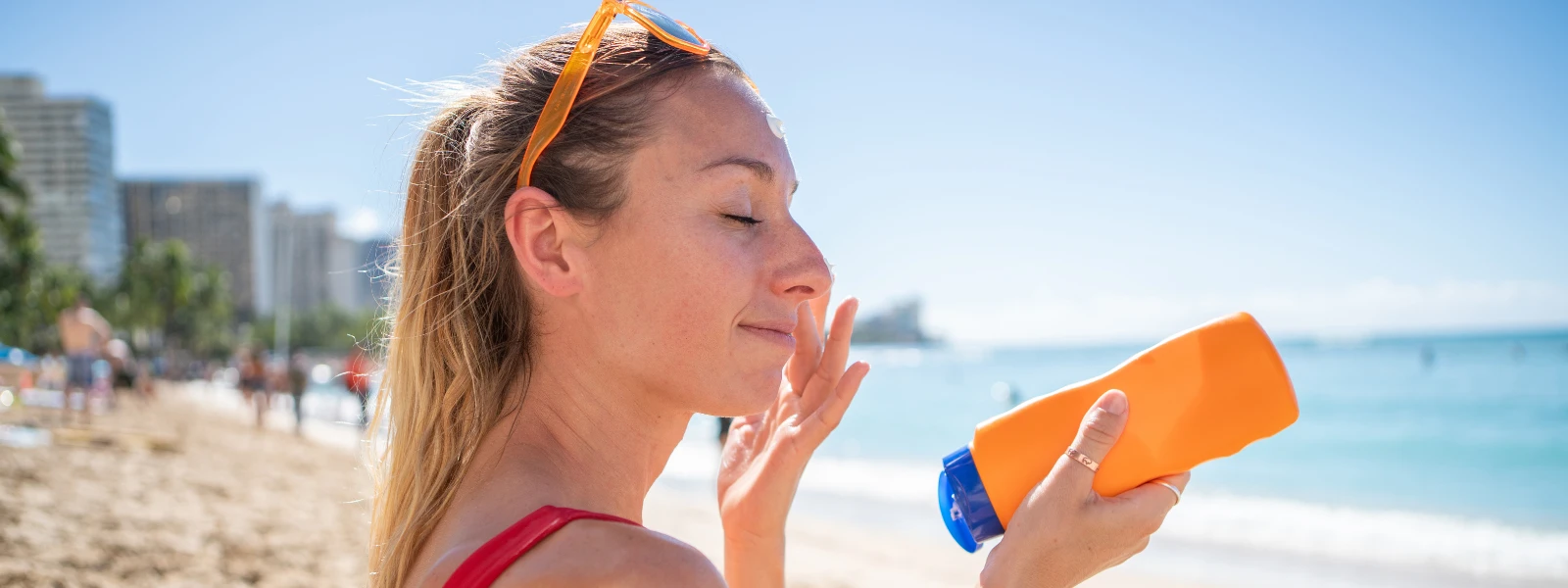
Correct application technique is as important as choosing quality sunscreen. Most people apply only 25-50% of the recommended amount, significantly reducing protection levels. The three-finger rule provides a simple method for measuring adequate facial coverage: squeeze sunscreen along the length of your index, middle, and ring fingers for proper face and neck application.
For full-body coverage, adults need approximately one ounce (30ml) of sunscreen per application. This outdoor skincare approach ensures even distribution and adequate protection across all exposed areas.
Apply sunscreen 15-30 minutes before sun exposure to allow proper absorption. Start with your face and work systematically across your body, paying special attention to often-missed areas like ears, feet, and the back of your neck.
Avoid rubbing sunscreen too vigorously, which can reduce its effectiveness. Don't forget areas like your lips, eyelids, and the tops of your feet. Reapply every two hours or immediately after swimming or excessive sweating.
Different outdoor activities require tailored outdoor SPF protection tips based on exposure intensity and duration. Water sports demand enhanced protection due to reflection that can increase UV exposure by up to 15%. High-altitude activities require stronger protection because UV intensity increases with elevation.
Snow sports present unique challenges as snow reflects up to 80% of UV rays, creating intense exposure from multiple angles. Desert environments combine direct sun exposure with reflective sand surfaces, requiring comprehensive protection strategies.
Use water-resistant sunscreen with SPF 50+ and reapply every 40-80 minutes during water activities. Consider UV-protective swimwear and seek shade during peak hours when possible.
Increase your SPF rating and reapplication frequency at higher elevations. UV intensity increases approximately 4% for every 300 meters of altitude gain, making stronger protection essential for mountain activities.
While sunscreen remains the primary defense against UV damage, natural methods can enhance your overall sun protection advice strategy. Antioxidant-rich foods like tomatoes, leafy greens, and berries help support your skin's natural defense mechanisms against UV damage. Proper hydration maintains your skin barrier function, helping it better resist environmental stressors.
Timing your outdoor activities strategically can significantly reduce UV exposure. The sun's rays are strongest between 10 AM and 4 PM, so planning activities during early morning or late afternoon hours naturally reduces exposure intensity.
When natural shade isn't available, create your own using umbrellas, canopies, or portable shelters. Even partial shade can reduce UV exposure by 50% or more, providing valuable protection during extended outdoor activities.
Reapply sunscreen every two hours during outdoor activities, or immediately after swimming, sweating heavily, or toweling off. Water-resistant formulas maintain protection for 40-80 minutes during water exposure, but regular reapplication ensures consistent coverage.
Yes, up to 80% of UV rays can penetrate clouds, making sunburn prevention necessary even on overcast days. Many people experience unexpected burns during cloudy outdoor activities because they skip sun protection.
No sunscreen is truly waterproof. Water-resistant sunscreens maintain their SPF protection for either 40 or 80 minutes during water exposure or sweating. Always check the label for specific timing and reapply accordingly.
Adults need approximately one ounce (30ml) of sunscreen for full-body coverage. This equals about a shot glass full of product. For face and neck alone, use the three-finger rule: squeeze sunscreen along three fingers for adequate coverage.
While you can use the same SPF rating for face and body, facial skin is often more sensitive and may benefit from gentler formulations. Some people prefer separate products designed specifically for facial use, which often have lighter textures and fewer irritating ingredients.
Effective outdoor sun protection requires a comprehensive approach combining multiple strategies. Quality broad-spectrum sunscreen with SPF 50+ forms the foundation, but protective clothing, wide-brimmed hats, and strategic timing enhance your defense against UV damage. Remember that proper application technique and regular reapplication are as important as choosing the right products. By implementing these outdoor SPF protection tips consistently, you can enjoy outdoor activities while maintaining healthy, protected skin for years to come.
