


Hyperpigmentation Treatments vs Natural Remedies: What Works?
Your Cart
0You May Also Like
Dealing with uneven skin tone can feel like an uphill battle. Whether you're noticing new dark spots, struggling with melasma, or trying to fade age spots, the world of hyperpigmentation treatment offers both professional solutions and natural remedies. But which approach actually works for preventing skin discoloration? Let's dive into the science behind effective treatments and discover what really delivers results for achieving that coveted even complexion.
Before jumping into treatments, it's crucial to understand what causes skin discoloration in the first place. Your skin produces melanin as a protective response to various triggers, and sometimes this process goes into overdrive. The result? Those frustrating dark patches that seem to appear out of nowhere.
Different types of pigmentation require different approaches. Melasma often stems from hormonal changes, while age spots typically result from years of sun exposure. Post-inflammatory hyperpigmentation can develop after acne or injury, creating lasting reminders of past skin trauma.
Each type of discoloration has its own personality and preferred treatment methods:
Melasma: Often called the "pregnancy mask," triggered by hormonal fluctuations
Solar lentigines: Those pesky age spots from cumulative sun damage
Post-inflammatory hyperpigmentation: Dark marks left behind after acne or skin injury
Drug-induced pigmentation: Caused by certain medications or treatments
Sometimes skin discoloration seems to appear without warning. Common culprits include birth control pills, pregnancy hormones, certain antibiotics, and even everyday products with photosensitizing ingredients.
Professional treatments often provide the fastest and most dramatic results for stubborn pigmentation. These evidence-based approaches target melanin production at the cellular level, offering hope for even the most persistent dark spots.
The key lies in understanding which treatment matches your specific type of discoloration. What works brilliantly for sun damage repair might not be the best choice for hormonal melasma.
Dermatologists have powerful tools at their disposal for dark spots removal:
Chemical peels: Glycolic and salicylic acid peels accelerate cell turnover
Laser therapy: Targets melanin deposits with precision
IPL treatments: Broad-spectrum light therapy for multiple concerns
Prescription retinoids: Boost cellular renewal and fade existing spots
You don't always need a prescription for effective results. Several proven ingredients can significantly improve uneven skin tone when used consistently:
Vitamin C: Powerful antioxidant that inhibits melanin production
Niacinamide: Reduces inflammation and prevents pigment transfer
Kojic acid: Natural tyrosinase inhibitor from fungi
Natural approaches to skin brightening have gained popularity, but it's important to separate fact from fiction. While some natural ingredients show promise in studies, others rely more on tradition than scientific evidence.
The most effective natural remedies work by providing antioxidants, gentle exfoliation, or mild tyrosinase inhibition. However, patience is key – natural approaches typically take longer to show visible results.
Several natural ingredients have research backing their pigmentation-fighting abilities:
Licorice root extract: Contains glabridin, which inhibits tyrosinase
Green tea extracts: Rich in EGCG, a powerful antioxidant
Vitamin E: Protects against oxidative damage
While topical treatments work directly on the skin, certain foods may support your efforts from within. Antioxidant-rich options like berries, citrus fruits, and leafy greens help combat oxidative stress that can worsen pigmentation.
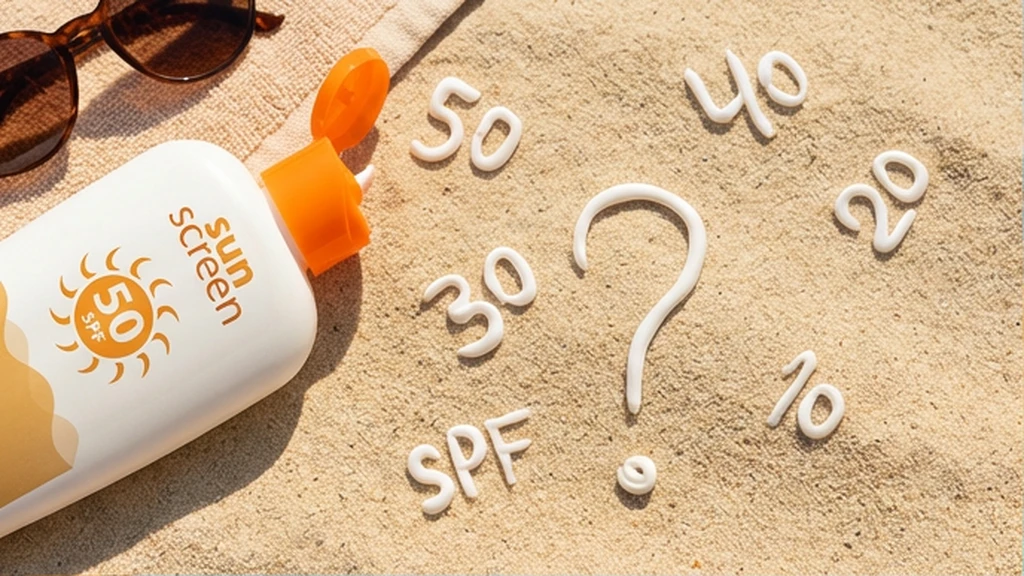
Here's the truth: no treatment will be truly effective without proper sun protection. UV exposure is the primary driver of most pigmentation issues, and it can undo months of progress in just a few unprotected hours outdoors.
Think of sunscreen as your daily insurance policy against future discoloration. Even on cloudy days, UV rays penetrate through windows and clouds, making daily protection non-negotiable.
Effective sun protection goes beyond basic SPF application:
Broad-spectrum SPF 30+: Apply generously every morning
Tinted sunscreens: Iron oxide provides extra protection against visible light
Reapplication: Every two hours, or after sweating or swimming
Physical barriers: Hats, sunglasses, and UV-protective clothing
Modern life presents new challenges for skin protection. Blue light from devices and environmental pollution can also contribute to pigmentation issues, making antioxidant serums and pollution-fighting ingredients valuable additions to your routine.
Understanding the timeline and expectations for different approaches helps you make informed decisions about your skincare strategy. Professional treatments typically show faster results, while natural remedies require more patience but often come with fewer side effects.
Prevention remains the most cost-effective approach long-term. Investing in good sun protection and gentle skincare habits pays dividends by preventing new discoloration from forming.
Professional treatments: Visible results in 4-12 weeks
Over-the-counter actives: Improvements in 6-16 weeks
Natural remedies: Gradual changes over 3-6 months
Prevention methods: Immediate protection, long-term benefits
While professional treatments require higher upfront investment, they often provide faster, more dramatic results. Natural approaches cost less but demand more time and patience. Prevention strategies offer the best long-term value by stopping problems before they start.
Focus on consistent sun protection, gentle skincare routines, and antioxidant-rich products. Avoid harsh scrubbing or picking at your skin, which can trigger post-inflammatory hyperpigmentation.
Age spots are typically small, round, and caused by sun damage over time. Melasma appears as larger, irregular patches often triggered by hormonal changes and tends to be symmetrical on both sides of the face.
Professional treatments may show initial results in 4-6 weeks, while over-the-counter products typically require 8-12 weeks of consistent use. Natural remedies often take 3-6 months to produce noticeable changes.
For mild discoloration, natural approaches may be sufficient. However, stubborn or extensive pigmentation often requires professional intervention for optimal results. Many people find success combining both approaches.
The most effective approach to preventing skin discoloration combines multiple strategies tailored to your specific needs. Professional treatments offer faster results for existing pigmentation, while natural remedies provide gentler, gradual improvement. However, the foundation of any successful pigmentation strategy remains consistent sun protection and gentle skincare habits.
Remember that patience and consistency are your best allies in achieving even skin tone. Whether you choose professional treatments, natural remedies, or a combination of both, protecting your skin from future damage ensures your efforts pay off long-term.
