


How to Use SPF Correctly for Maximum Sun Protection
Your Cart
0You May Also Like
Getting the most out of your sunscreen isn't just about slapping it on and hoping for the best. Many people think they're protected, but they're actually leaving their skin vulnerable to harmful UV rays. The truth is, how to use SPF correctly involves specific techniques, timing, and understanding what those numbers on the bottle really mean. Whether you're dealing with pigmentation concerns, acne-prone skin, or just want to maintain healthy skin, proper sunscreen application is your first line of defense against sun damage and premature aging.
The sun protection factor number on your sunscreen bottle tells you how much longer you can stay in the sun compared to unprotected skin. SPF 30 blocks about 97% of UVB rays, while SPF 50 blocks 98%. The difference might seem small, but for sensitive or pigmentation-prone skin, that extra protection matters.
Broad spectrum sunscreen protects against both UVA and UVB rays. UVB rays cause sunburn, while UVA rays penetrate deeper and cause aging and pigmentation. This is why choosing broad spectrum protection is essential for maintaining even skin tone and preventing dark spots from forming or worsening.
Many people believe higher SPF means they can stay in the sun longer without reapplying. This isn't true. All sunscreens need reapplication every two hours, regardless of SPF level. Another myth is that you don't need sunscreen on cloudy days, but up to 80% of UV rays can penetrate clouds.
Proper sunscreen application starts with using enough product. Most people use only 25% of the recommended amount, which dramatically reduces protection. For your face and neck, you need about a quarter teaspoon of sunscreen. For your entire body, use approximately one ounce, which is about a shot glass full.
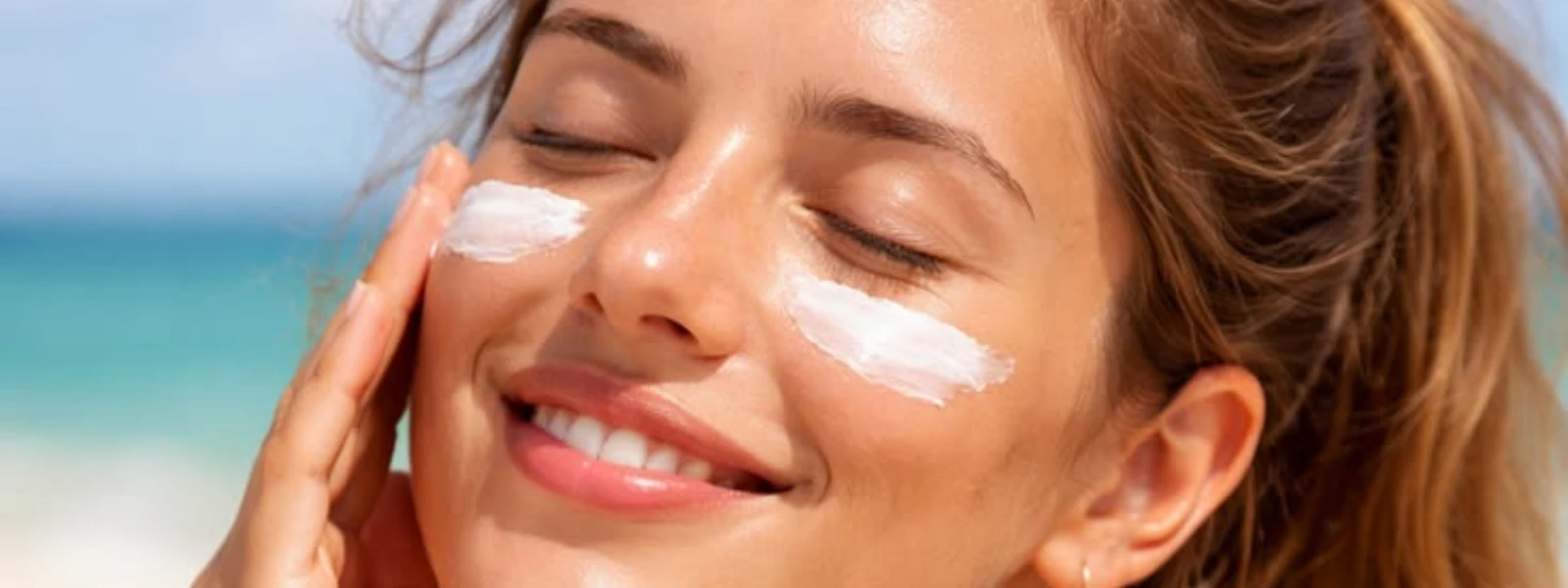
The two-finger rule works perfectly for facial application. Squeeze sunscreen along your index and middle fingers from base to tip. This gives you the right amount for your face and neck. Don't forget often-missed areas like your ears, hairline, and the area around your eyes.
Apply sunscreen in sections, working from top to bottom. Pay special attention to shoulders, feet, and the back of your neck. These areas burn easily and are often forgotten. For hard-to-reach spots like your back, ask someone for help or use a sunscreen applicator tool.
Chemical sunscreens need time to absorb into your skin and become effective. Apply them 15-30 minutes before sun exposure. Physical sunscreens with zinc oxide or titanium dioxide work immediately upon application, but it's still good practice to apply them early to ensure even coverage.
In your morning skincare routine, sunscreen should be the last step before makeup. If you're using treatment serums for pigmentation or acne, let them absorb completely before applying sunscreen. This prevents pilling and ensures both products work effectively.
When wearing makeup, apply sunscreen after your moisturizer but before primer or foundation. Let the sunscreen set for a few minutes before applying makeup. This prevents your foundation from becoming patchy or sliding around. SPF in makeup is a bonus, not a replacement for dedicated sunscreen.
The golden rule of UV protection is reapplying every two hours, or immediately after swimming, sweating, or toweling off. Even water-resistant sunscreens lose effectiveness over time. Set phone reminders if you tend to forget, especially during outdoor activities.
For sunburn prevention, combine sunscreen with other protective measures. Seek shade during peak UV hours (10 AM to 4 PM), wear protective clothing, and use sunglasses. These sun safety tips work together to provide comprehensive protection.
Use a powder sunscreen or setting spray with SPF for touch-ups over makeup. Alternatively, gently pat liquid sunscreen over makeup with a damp beauty sponge. The key is being gentle to avoid disturbing your makeup while maintaining protection.
For daily use, SPF 30 provides excellent protection for most people. If you have very fair skin, a history of skin cancer, or are using products that increase sun sensitivity (like retinoids or certain acne treatments), consider SPF 50. The best sunscreen is one you'll use consistently.
Physical sunscreens are gentler for sensitive skin and provide immediate protection. Chemical sunscreens often feel lighter and blend more easily into darker skin tones. Many modern formulations combine both types for optimal protection and cosmetic elegance.
Look for non-comedogenic, oil-free formulations if you're dealing with acne. Gel-based or fluid sunscreens often work well for oily skin types. The sunscreen benefits extend beyond sun protection to preventing post-inflammatory hyperpigmentation from acne.
Using expired sunscreen significantly reduces its effectiveness. Check expiration dates regularly and replace products that have been stored in hot cars or direct sunlight. Sunscreen typically lasts three years from manufacture if stored properly.
Another common mistake is applying sunscreen too thinly or missing areas entirely. The nose, ears, and lips are frequently forgotten spots that burn easily. Make application part of your routine so you don't rush through it.
Use about 1/4 teaspoon for your face and neck. This might seem like a lot, but it's necessary for proper protection. Apply in layers if the amount feels overwhelming, letting each layer absorb before adding more.
It's better to apply them separately to ensure full protection. Mixing can dilute the sunscreen and reduce its effectiveness. Apply moisturizer first, let it absorb, then apply sunscreen as a separate layer.
Yes, especially if you sit near windows or use devices with screens for extended periods. UVA rays can penetrate glass, contributing to aging and pigmentation. A lightweight daily sunscreen provides protection without feeling heavy.
Tretinoin increases sun sensitivity, making diligent sunscreen use crucial. Reapply every two hours during sun exposure, and consider using SPF 50 for extra protection. Always apply sunscreen in the morning, even on days you're mostly indoors.
Mastering how to use SPF correctly transforms your skin protection routine from guesswork to science. Remember the key principles: use enough product, apply 15-30 minutes before exposure, reapply every two hours, and choose broad spectrum protection. Your skin will thank you with fewer signs of aging, reduced pigmentation, and better overall health. Consistent, proper sunscreen use is one of the most effective anti-aging and skin-protecting strategies available.
