


How to Choose Outdoor SPF: Your Essential Sunscreen Guide
Your Cart
0You May Also Like
Stepping outside means exposing your skin to harmful UV rays that can cause sunburn, premature aging, and increase your risk of skin cancer. Whether you're planning a beach day, hiking adventure, or simply spending time in your garden, choosing outdoor SPF becomes crucial for protecting your skin. With countless sunscreen options available, from SPF 15 to SPF 100+, selecting the right protection can feel overwhelming. This comprehensive sunscreen guide will help you navigate the world of outdoor sun protection, understand different SPF levels, and make informed decisions based on your skin type and planned activities.
SPF stands for Sun Protection Factor, and it measures how well a sunscreen protects against UVB rays that cause sunburn. When you see SPF 30 on a bottle, it means the sunscreen theoretically allows you to stay in the sun 30 times longer than you could without protection before burning. However, this calculation assumes perfect application and reapplication, which rarely happens in real-world scenarios.
Understanding the difference between UVA and UVB rays is essential for outdoor sun protection. UVB rays cause immediate burning and are strongest between 10 AM and 4 PM. UVA rays penetrate deeper into skin, causing long-term damage like wrinkles and age spots, and remain consistent throughout the day. For comprehensive protection, you need broad spectrum sunscreen that shields against both types of radiation.
Many people believe that SPF 60 provides twice the protection of SPF 30, but this isn't accurate. SPF 30 blocks about 97% of UVB rays, while SPF 60 blocks around 98.3%. The difference becomes minimal at higher levels, making proper application and reapplication more important than chasing extremely high SPF numbers.
Choosing the best SPF depends on your planned outdoor activities, skin type, and environmental conditions. For most outdoor activities, SPF 30 provides adequate protection when applied correctly and reapplied regularly. However, certain situations call for higher protection levels.
For intense outdoor activities like beach volleyball, swimming, or mountain climbing, SPF 50 or higher becomes necessary. These environments often involve reflective surfaces like water, sand, or snow that can increase UV exposure by up to 15%. Extended exposure times also require stronger protection to maintain effectiveness throughout the day.
Light outdoor activities like walking or gardening for under two hours work well with SPF 30. Moderate activities such as hiking, cycling, or outdoor sports benefit from SPF 50. Intense water sports, snow activities, or high-altitude adventures require SPF 50+ with frequent reapplication every 40-80 minutes depending on water resistance ratings.
Understanding different types of sunscreen helps you select the most appropriate formula for your outdoor plans. Chemical sunscreens absorb UV rays and convert them to heat, while physical (mineral) sunscreens create a barrier that reflects UV radiation away from skin.
For outdoor activities, chemical sunscreens often provide better cosmetic elegance and easier application over large body areas. However, physical sunscreens offer immediate protection upon application and work better for sensitive skin types. Many modern formulations combine both approaches for optimal protection and wearability.
Water-resistant sunscreens maintain their SPF protection for either 40 or 80 minutes during swimming or sweating. No sunscreen is truly waterproof, so reapplication remains essential. Look for formulas specifically designed for sports or water activities when planning extended outdoor time.
Always choose broad spectrum sunscreen for outdoor activities. This designation means the product protects against both UVA and UVB rays. UVA protection is often indicated by PA ratings (PA+, PA++, PA+++, PA++++), with more plus signs indicating stronger UVA protection.
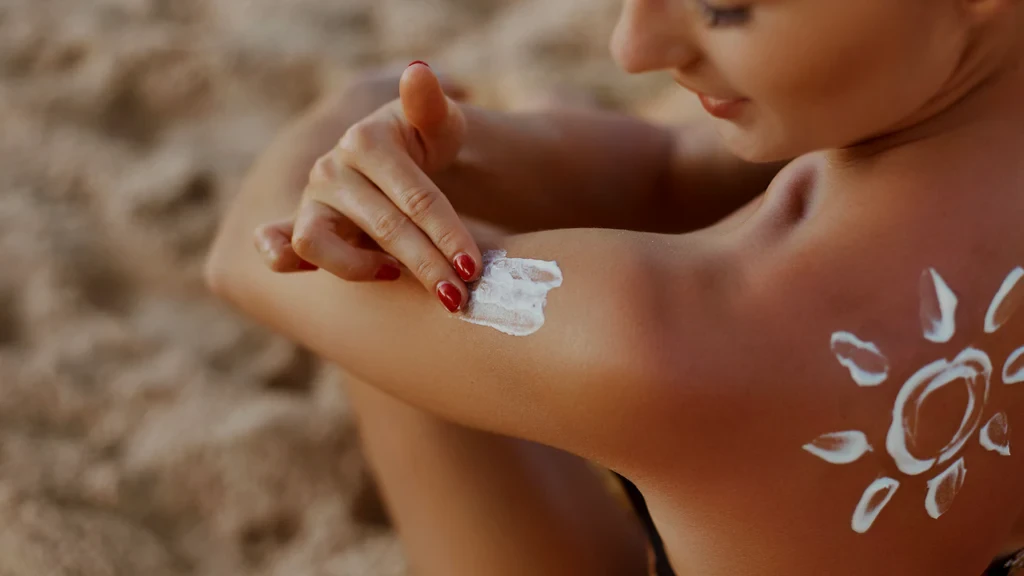
Even the highest SPF sunscreen fails without proper sunscreen application. Most people apply only 25-50% of the recommended amount, significantly reducing protection levels. For your face and neck, you need about 1/4 teaspoon of sunscreen, while your entire body requires approximately 1 ounce (2 tablespoons).
Apply sunscreen 15-30 minutes before sun exposure to allow proper absorption and film formation. Pay special attention to commonly missed areas like ears, feet, back of neck, and around eyes. These spots often experience the worst burns because they're forgotten during application.
Reapply sunscreen every two hours during outdoor activities, or more frequently if swimming, sweating heavily, or toweling off. Set phone reminders to maintain consistent protection throughout your outdoor time. Even water-resistant formulas need reapplication after the specified time period.
Comprehensive sun safety tips extend beyond just applying sunscreen. Combine your SPF for activities with protective clothing, wide-brimmed hats, and UV-blocking sunglasses for maximum protection. Seek shade during peak UV hours (10 AM to 4 PM) when possible, especially during extended outdoor sessions.
Environmental factors significantly impact your SPF needs. Higher altitudes increase UV exposure by 4% for every 1,000 feet of elevation. Reflective surfaces like water, sand, concrete, and snow can nearly double your UV exposure. Adjust your sunscreen choice and reapplication frequency accordingly.
Create a comprehensive outdoor protection routine that includes daily facial SPF, body sunscreen for exposed areas, and specialized products for specific activities. Keep travel-sized sunscreens in your car, gym bag, and backpack for convenient reapplication throughout the day.
For most outdoor activities, SPF 30 provides adequate protection when applied properly and reapplied every two hours. However, intense activities like water sports, snow activities, or extended sun exposure require SPF 50 or higher for optimal protection.
Reapply sunscreen every two hours during outdoor activities, or every 40-80 minutes if you're swimming or sweating heavily. Water-resistant formulas maintain protection for their specified time period, but reapplication is still necessary for continued effectiveness.
No, higher SPF doesn't last longer outdoors. All sunscreens, regardless of SPF level, need reapplication every two hours. Higher SPF provides slightly better protection percentage but doesn't extend the time between applications.
SPF measures protection against UVB rays that cause sunburn, while PA ratings indicate UVA protection levels. PA++++ offers the highest UVA protection, which is crucial for preventing long-term skin damage during extended outdoor exposure.
Yes, facial skin is more delicate and often requires specialized formulations. Use a dedicated facial sunscreen with at least SPF 30 for daily outdoor exposure, and consider SPF 50+ for intense outdoor activities. Body sunscreens can be the same SPF but may have different textures for easier large-area application.
Selecting the right outdoor SPF involves understanding your activity level, skin type, and environmental conditions. Remember that proper application and regular reapplication matter more than extremely high SPF numbers. Combine sunscreen with other protective measures like clothing and shade for comprehensive sunburn prevention. Most importantly, make sun protection a consistent habit rather than an afterthought, ensuring your skin stays healthy during all your outdoor adventures.
