


How to Choose Long-Lasting Sunscreen: A Guide
Your Cart
0You May Also Like
Finding the right sunscreen can feel overwhelming with so many options on the market. You want protection that lasts through your busy day, whether you're commuting to work, hitting the beach, or spending hours outdoors. The key is understanding what makes a long lasting sunscreen truly effective and how to choose the best sunscreen for long wear that fits your lifestyle. This guide will walk you through everything you need to know about selecting sunscreen that stays put when you need it most.
Not all sunscreens are created equal when it comes to staying power. The best sunscreen for long wear combines specific ingredients and formulation techniques that help it resist breaking down throughout the day.
The foundation of any long lasting sunscreen lies in its active ingredients. Zinc oxide and titanium dioxide are mineral filters that sit on top of your skin and physically block UV rays. These ingredients are naturally photostable, meaning they don't break down when exposed to sunlight. Chemical filters like avobenzone and octinoxate absorb UV rays but can degrade over time without proper stabilizers.
You'll notice that water resistant sunscreen products never claim to be waterproof anymore. The FDA requires specific testing for water resistance claims. A 40-minute rating means the sunscreen maintains its SPF level after 40 minutes of water exposure, while 80-minute protection lasts twice as long. Remember that no sunscreen is truly waterproof, so reapplication is always necessary.
When shopping for the best sunscreen for long wear, certain features make all the difference in real-world performance. Understanding these characteristics helps you make an informed choice.
Broad spectrum sunscreen protects against both UVA and UVB rays. UVA rays penetrate deeper into skin and cause aging, while UVB rays cause burning. SPF 30 blocks about 97% of UVB rays, while SPF 50 blocks 98%. Higher SPF doesn't always mean longer protection, but it does provide a safety buffer if you apply less than the recommended amount.
Sweat proof sunscreen uses special polymers that create a flexible film on your skin. These formulas resist breaking down when you perspire, making them ideal for active lifestyles. Look for products specifically labeled for sports or outdoor activities if you need maximum sweat resistance.
Different parts of your body and various skin types require tailored approaches to sun protection. What works on your body might not be ideal for your face.
Sunscreen for sensitive skin typically features mineral-based formulas with zinc oxide or titanium dioxide. These ingredients are less likely to cause irritation compared to chemical filters. Look for products labeled hypoallergenic and fragrance-free. Gentle formulas often include soothing ingredients like aloe vera or chamomile.
Sunscreen for face needs to be lightweight and non-comedogenic to avoid clogging pores. Many facial sunscreens double as makeup primers or include tinting for even coverage. Sunscreen for body can be thicker and more protective since body skin is generally less sensitive than facial skin.
Your lifestyle and activities should guide your sunscreen choice. Sunscreen for outdoor activities requires different features than daily sunscreen for regular use.
Water activities demand maximum water resistant sunscreen protection. Look for 80-minute water resistance ratings and consider stick formulas for easy reapplication. These products often feel heavier but provide superior protection when you're in and out of water frequently.
Running, hiking, and intense workouts require sweat proof sunscreen that won't sting your eyes or feel greasy. Sport-specific formulas often include cooling ingredients and dry-touch finishes that won't interfere with your performance.
Even the best sunscreen for long wear won't protect you properly without correct application. Most people apply far less sunscreen than needed for the labeled SPF protection.
Use about one ounce (two tablespoons) of sunscreen to cover your entire body. For your face alone, you need about a quarter teaspoon. Apply sunscreen 15-30 minutes before sun exposure to allow it to bind to your skin properly. Don't forget often-missed spots like your ears, feet, and the back of your neck.
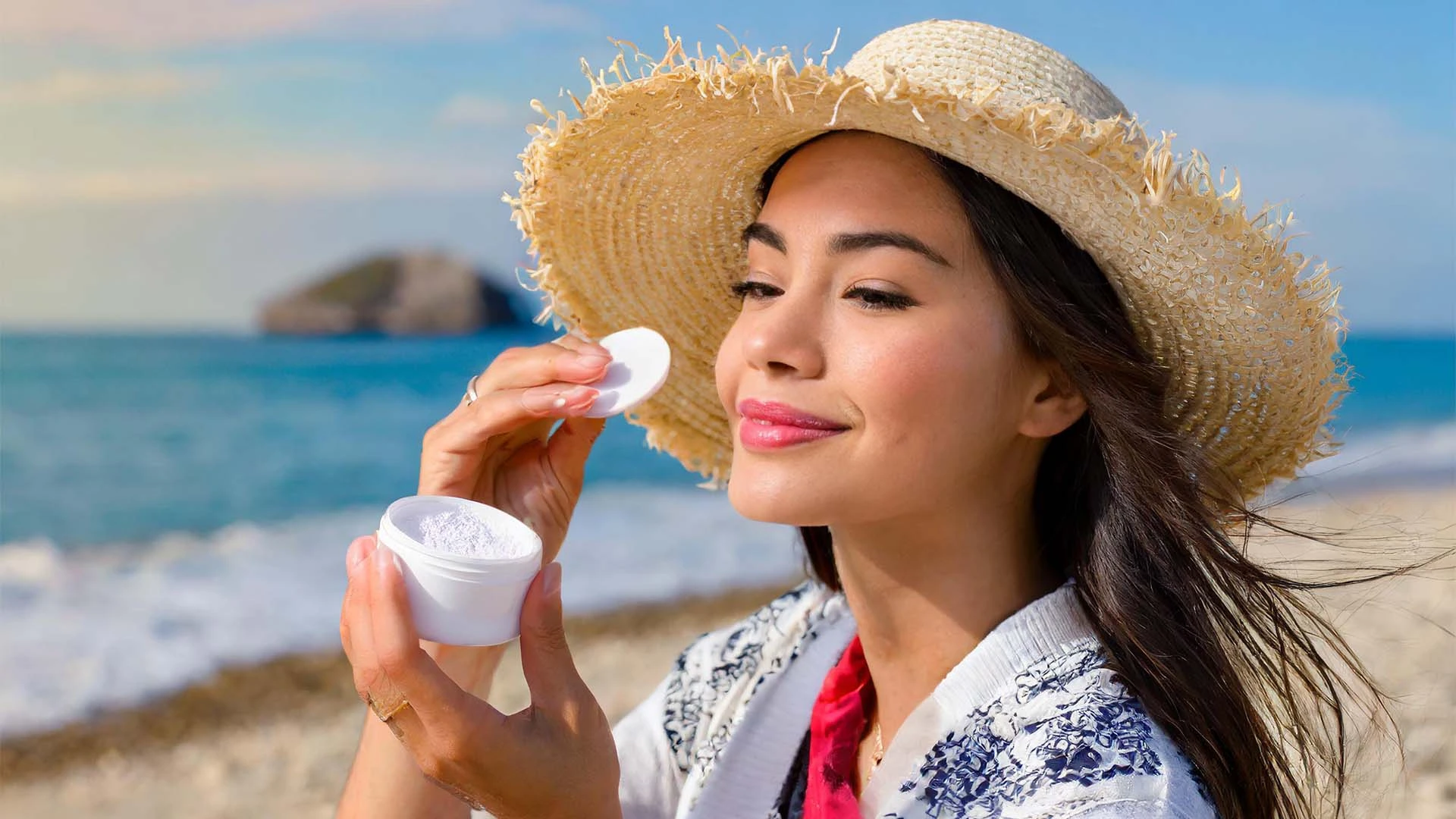
Even long lasting sunscreen needs reapplication every two hours, or immediately after swimming or heavy sweating. Powder sunscreens work well for touch-ups over makeup, while spray formulas offer quick coverage for large body areas.
Water-resistant sunscreen maintains its protection for either 40 or 80 minutes of water exposure, depending on its rating. However, you should reapply immediately after toweling off, regardless of the time elapsed.
While you can use body sunscreen on your face, facial formulas are specifically designed to be lighter and less likely to cause breakouts. If you have sensitive or acne-prone skin, stick with dedicated facial sunscreens.
Sweat-proof sunscreens are formulated to resist breaking down from perspiration, while water-resistant products are tested specifically for water immersion. Many products offer both features.
If you notice any redness or feel your skin getting warm, it's time to reapply. Don't wait for visible signs of burning, as damage occurs before you can see it.
Price doesn't always indicate quality. Many drugstore sunscreens perform just as well as luxury brands. Focus on the active ingredients and features rather than the price tag.
Choosing the right long lasting sunscreen comes down to understanding your specific needs and lifestyle. Whether you need daily sunscreen for regular use or heavy-duty protection for outdoor adventures, the key is finding a formula you'll actually want to use every day. Remember that the best sunscreen is the one you apply consistently and reapply as needed. With proper selection and application, you can enjoy effective sun protection that keeps up with your active life.
