


How Sunscreen is Delivered: Understanding Absorption and Effectiveness
Your Cart
0You May Also Like
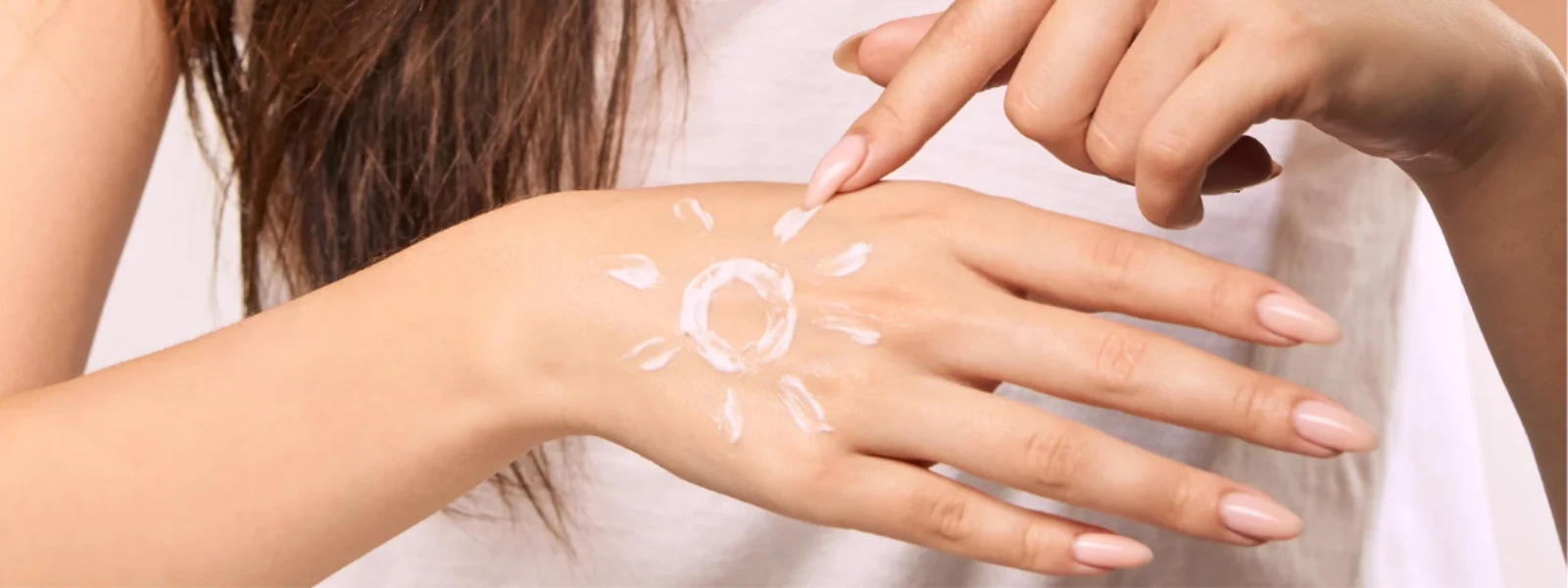
Understanding how sunscreen is delivered to your skin can make the difference between adequate protection and truly effective sun defense. The way sunscreen reaches and interacts with your skin determines how well it shields you from harmful UV rays. From the moment you apply sunscreen to when it forms a protective barrier, multiple delivery mechanisms work together to create your defense against sun damage. Whether you're choosing between spray and lotion formulations or wondering why some sunscreens feel different on your skin, the delivery method plays a crucial role in your overall protection level.
Sunscreen delivery refers to how the protective ingredients reach your skin and form an effective barrier against UV radiation. This process involves more than just spreading cream on your skin. The sunscreen formulation determines how active ingredients penetrate, spread, and create lasting protection.
When you apply sunscreen, the delivery system works to distribute sunscreen active ingredients evenly across your skin's surface. Some ingredients sit on top of your skin, while others absorb into the upper layers. This dual-action approach creates comprehensive protection that blocks, absorbs, and reflects UV rays before they can cause damage.
Several elements affect how well sunscreen delivers protection to your skin. The base formulation, whether oil-based or water-based, changes how ingredients spread and absorb. Your skin type also matters - oily skin may repel certain formulations while dry skin readily absorbs others.
Different types of sunscreen delivery offer unique advantages depending on your needs and preferences. Understanding these options helps you choose the most effective protection method for your lifestyle and skin type.
Modern sunscreen technology offers various delivery systems, each designed to optimize protection while addressing specific user concerns like ease of application, skin feel, and coverage consistency.
Physical sunscreens containing zinc oxide or titanium dioxide work by sitting on your skin's surface. These mineral ingredients create a physical barrier that reflects UV rays away from your skin. The delivery system for physical sunscreens focuses on even distribution to prevent gaps in coverage.
Chemical sunscreens use a different delivery approach. These formulations contain ingredients that absorb into your skin's upper layers, where they convert UV radiation into harmless heat. This absorption process typically takes 15-20 minutes, which is why chemical sunscreens need application time before sun exposure.
Lotion and cream formulations offer the most controlled delivery system. Their thicker consistency allows for precise application amounts and thorough coverage. These formulations typically provide the most reliable protection because you can see exactly where you've applied them.
Gel formulations deliver sunscreen through a lightweight, fast-absorbing system. They work well for oily skin types and provide a less greasy feel while maintaining effective protection levels.
The debate between sunscreen spray vs lotion often comes down to delivery effectiveness versus convenience. Each method has distinct advantages and limitations that affect overall protection quality.
Understanding the delivery differences helps you make informed choices about when to use each type for optimal sun protection.
Spray delivery systems use aerosol or pump mechanisms to distribute sunscreen in fine droplets. This method covers large areas quickly but can result in uneven application if not used correctly. Wind can blow spray away from your skin, reducing the actual amount of protection delivered.
For effective spray delivery, apply in a thick, even layer and rub in thoroughly. Many people under-apply spray sunscreen because the mist appears to cover more area than it actually protects.
Lotion delivery provides superior control over application amount and coverage. You can see exactly where the product goes and ensure complete coverage of all exposed areas. The thicker consistency also helps create a more robust protective film on your skin.
Lotions typically offer better sunscreen film formation because the formulation stays where you apply it. This controlled delivery reduces the risk of missed spots that commonly occur with spray applications.
Sunscreen absorption varies significantly between chemical and physical formulations. The absorption process determines how quickly your protection becomes effective and how long it lasts on your skin.
Understanding penetration mechanisms helps explain why some sunscreens feel different on your skin and why application timing matters for optimal protection.
Chemical sunscreen ingredients penetration occurs through your skin's outer layer, the stratum corneum. Ingredients like avobenzone and octinoxate absorb into this protective barrier where they can intercept UV radiation before it reaches living skin cells.
The penetration depth is carefully controlled to keep ingredients in the protective zone without entering your bloodstream. Modern formulations optimize this balance for maximum protection with minimal systemic absorption.
After application, sunscreen forms a protective film through water evaporation and ingredient settling. This film creation process takes several minutes and determines your final protection level. Proper film formation requires adequate application amounts and even distribution.
Water-resistant formulations create more durable films that maintain integrity during swimming or sweating. However, even water-resistant films degrade over time and require reapplication for continued protection.
Sunscreen effectiveness depends heavily on proper delivery techniques. Even the best formulation fails if applied incorrectly or in insufficient amounts.
Optimizing your application method ensures you get the full protection value from your chosen sunscreen product.
Most people apply only 25-50% of the recommended sunscreen amount, significantly reducing protection levels. For face protection, use approximately 1/4 teaspoon of product. For full body coverage, you need about 1 ounce (2 tablespoons) of sunscreen.
Apply sunscreen in sections rather than trying to cover your entire body at once. This sectional approach ensures even distribution and adequate coverage density for optimal protection delivery.
Temperature and humidity affect how sunscreen spreads and absorbs into your skin. Hot weather makes products more fluid and easier to spread, while cold conditions can make application more difficult. Adjust your application technique based on environmental conditions.
Water exposure gradually removes sunscreen films, even from water-resistant formulations. Toweling off after swimming or sweating removes additional product, requiring reapplication for maintained protection.
Modern sunscreen formulation technology continues evolving to improve delivery effectiveness and user experience. These innovations address common application challenges while enhancing protection quality.
New delivery systems focus on creating longer-lasting protection with improved skin feel and easier application methods.
Nanoparticle technology improves the delivery of mineral sunscreens by reducing the white cast effect while maintaining protection effectiveness. These smaller particles spread more easily and create more transparent films on your skin.
Nano-formulations also enhance the stability of chemical UV filters, extending their effectiveness duration and reducing the need for frequent reapplication.
Microencapsulation technology creates controlled-release delivery systems that gradually release sunscreen active ingredients over extended periods. This innovation helps maintain protection levels longer between applications.
Time-release formulations show promise for reducing reapplication frequency while maintaining consistent protection levels throughout the day.
Chemical sunscreens typically require 15-20 minutes to fully absorb and become effective. Physical sunscreens work immediately upon application since they create a surface barrier rather than absorbing into skin layers.
White residue usually indicates either over-application or a formulation mismatch with your skin type. Physical sunscreens containing zinc oxide or titanium dioxide naturally create some whitening, but proper application techniques can minimize this effect.
Mixing sunscreen with other products can dilute the concentration and reduce protection effectiveness. Use separate products or choose a moisturizer with built-in SPF for combined benefits without compromising protection levels.
Use the "teaspoon rule" - 1/4 teaspoon for face and neck, 1/2 teaspoon for each arm, and 1 teaspoon for each leg and torso section. The application should feel slightly thick initially before absorbing into your skin.
Understanding how sunscreen is delivered empowers you to make better protection choices and apply products more effectively. The delivery method you choose should match your lifestyle, skin type, and protection needs. Whether you prefer the precision of lotion application or the convenience of spray delivery, proper technique matters more than the specific formulation type.
Remember that consistent, adequate application trumps product choice every time. Focus on applying enough product, covering all exposed areas, and reapplying regularly for the best protection results. Your skin's health depends on these simple but crucial delivery practices.
