


How Much SPF Do You Need for Ultimate Sun Defense
Your Cart
0You May Also Like
Finding the right SPF level can feel overwhelming with so many options on the market. The truth is, most people don't use enough sunscreen or choose the wrong SPF for their needs. Understanding how much SPF do you need depends on your skin type, daily activities, and sun exposure levels. The good news? You don't need to break the bank or slather on the highest number available. Smart sun protection starts with knowing the basics and building habits that actually work for your lifestyle.
SPF stands for Sun Protection Factor, and it measures how well a sunscreen blocks UVB rays. Think of it as a shield that gets stronger with higher numbers, but not in the way you might expect. SPF levels work like this: SPF 15 blocks about 93% of UVB rays, SPF 30 blocks 97%, and SPF 50 blocks 98%. Notice how the jump from 30 to 50 only adds 1% more protection? That's why dermatologists often say SPF 30 hits the sweet spot for daily use.
Super high SPF numbers might seem like better protection, but they can create a false sense of security. People tend to apply less sunscreen when they see SPF 100, thinking they're covered all day. The reality is that no sunscreen blocks 100% of UV rays.
Broad spectrum SPF protects against both UVA and UVB rays. UVB causes sunburn, while UVA penetrates deeper and causes aging and skin damage. Always look for "broad spectrum" on the label, regardless of the SPF number you choose.
For daily SPF needs, dermatologists recommend a minimum of SPF 30. This applies whether you're working from home, running errands, or spending time outdoors. UV rays penetrate windows and reflect off surfaces like concrete and snow. Your environment matters too. City dwellers deal with UV reflection from buildings and pavement, while people in high altitudes face stronger UV exposure. Even on cloudy days, up to 80% of UV rays can reach your skin.
If you're mostly indoors, SPF 30 works well for incidental sun exposure. But if your daily routine includes walking, driving, or any outdoor time, stick with SPF 30 as your baseline.
Winter doesn't mean you can skip sunscreen. Snow reflects up to 80% of UV rays, and higher altitudes increase exposure. Summer calls for more frequent reapplication and possibly higher SPF for extended outdoor time.
Your skin tone and daily activities should guide your SPF protection choices. Fair skin burns faster and needs more protection, but everyone benefits from consistent sunscreen use. People with fair to medium skin tones should use SPF 30-50 for daily activities. If you burn easily or have sensitive skin, lean toward SPF 50 for extra peace of mind.
Darker skin has more natural protection from melanin, but SPF 30+ is still essential. Sunscreen prevents hyperpigmentation, premature aging, and skin cancer in all skin tones.
Beach days, hiking, or outdoor sports call for SPF 50+ and water-resistant formulas. The combination of direct sun, reflection from water or sand, and sweating requires stronger protection and more frequent reapplication.
Most people use only 25-50% of the recommended sunscreen amount, which dramatically reduces protection. The "shot glass rule" is your friend: use about 1 ounce (30ml) to cover your entire body. For your face and neck alone, squeeze out about three finger-lengths of sunscreen. This might seem like a lot, but proper coverage is crucial for the SPF to work as advertised.
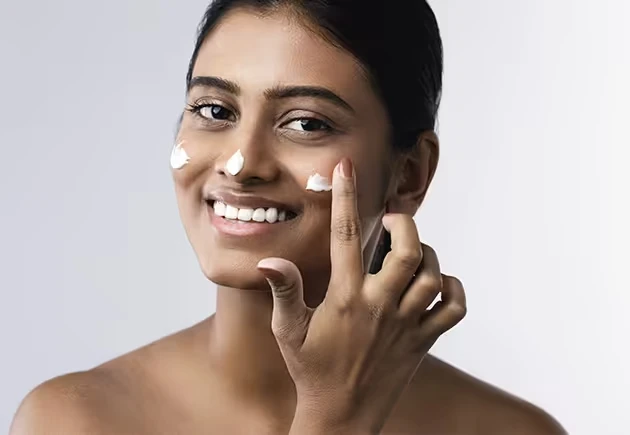
Rubbing sunscreen in too vigorously can reduce its effectiveness. Instead, apply in dots across your face and gently spread in upward motions. Don't forget often-missed spots like your ears, lips, feet, and the back of your neck.
Your lips need SPF 30+ lip balm, and the delicate skin around your eyes requires gentle, ophthalmologist-tested formulas. These areas burn easily and show aging first.
SPF reapplication every two hours is non-negotiable, regardless of the SPF number you choose. Swimming, sweating, or toweling off means immediate reapplication, even with water-resistant formulas. For makeup wearers, powder sunscreens or SPF setting sprays make touch-ups easier. Set phone reminders until reapplication becomes second nature.
Keep travel-size sunscreens in your car, purse, and desk drawer. The best sunscreen is the one you'll actually use consistently throughout the day.
SPF 15 only blocks 93% of UVB rays, which isn't sufficient for most people's daily needs. Dermatologists recommend SPF 30 as the minimum for adequate protection.
Both offer excellent protection when applied properly. SPF 30 is sufficient for daily use, while SPF 50 provides a small extra margin of protection for sensitive or fair skin.
The protection difference between SPF 30 and 45 is minimal (97% vs 97.8% UVB protection). Choose based on your skin sensitivity and how often you reapply.
SPF 70 isn't harmful, but it's not dramatically better than SPF 50. Focus on proper application and reapplication rather than chasing the highest number.
The best SPF coverage comes from consistent use, proper application, and regular reapplication. SPF 30 works beautifully for most people's daily needs, while SPF 50+ makes sense for extended sun exposure or very fair skin. Remember, the most expensive, highest SPF sunscreen won't protect you if it sits unused in your medicine cabinet. Choose a formula you enjoy using, apply it generously, and make reapplication part of your daily routine. Your skin will thank you for years to come.
