


How Long Does SPF 50 Really Last on Your Skin?
Your Cart
0You May Also Like
You've probably heard that SPF 50 offers excellent sun protection, but do you really know how long it actually lasts on your skin? Many people assume that higher SPF numbers mean longer protection times, but the reality is quite different. Understanding how long SPF 50 lasts is crucial for maintaining effective sun protection throughout your day. Whether you're planning a beach vacation or just running errands, knowing when to reapply your sunscreen can make the difference between healthy, protected skin and an uncomfortable sunburn. Let's dive into the science behind SPF 50 duration and discover what really affects your sunscreen's staying power.
Here's the straightforward answer: SPF 50 protection time typically lasts about two hours under ideal conditions. This might surprise you if you've been thinking that SPF 50 means 50 hours of protection – that's actually a common misconception that could leave your skin vulnerable. The number 50 in SPF 50 doesn't refer to time at all. Instead, it indicates that the sunscreen blocks approximately 98% of UVB rays, compared to SPF 30 which blocks about 97%. The difference in actual protection percentage is smaller than most people realize, and both formulations follow the same two-hour reapplication rule. Sunscreen effectiveness depends on much more than just the SPF number on the bottle. Laboratory testing conditions are quite different from real-world scenarios. In controlled settings, sunscreen is applied thickly and evenly, with no sweating, swimming, or rubbing. Your daily activities create a completely different environment for your sun protection.
Several factors can significantly reduce your SPF 50 duration, often cutting that two-hour window much shorter. Understanding these factors helps you make smarter decisions about when to reapply your sunscreen.
Water exposure tops the list of factors that break down your sun protection. Even water-resistant formulas start losing effectiveness after 40 to 80 minutes of swimming or heavy sweating. The combination of water and physical activity creates the perfect storm for sunscreen removal. Wind and sand can also wear away your protective barrier through constant abrasion. If you're spending time at the beach, that gentle breeze might feel refreshing, but it's gradually removing your sunscreen layer by layer.
Simple actions like towel drying, wiping your face, or adjusting your clothing can remove significant amounts of sunscreen. Your body's natural oil production also plays a role, as sebum can break down sunscreen active ingredients over time. Even indoor activities aren't immune to these effects. Air conditioning, heating, and normal skin cell turnover all contribute to reducing your sunscreen's protective power throughout the day.
The golden rule for reapply sunscreen timing remains every two hours, but certain situations call for more frequent application. This guideline applies regardless of whether you're using SPF 30 or SPF 50 – the sun protection factor doesn't extend the reapplication schedule. After swimming, toweling off, or heavy sweating, immediate reapplication is essential. Don't wait for the two-hour mark if you've been active or in water. Even water-resistant formulas need refreshing after these activities.
High-altitude locations require more frequent reapplication due to increased UV intensity. For every 1,000 feet of elevation gain, UV radiation increases by about 4%. Mountain activities, skiing, or hiking all demand extra attention to your sunscreen schedule. Sensitive skin areas like your nose, shoulders, and the tops of your feet may need more frequent protection updates, especially during extended outdoor activities.
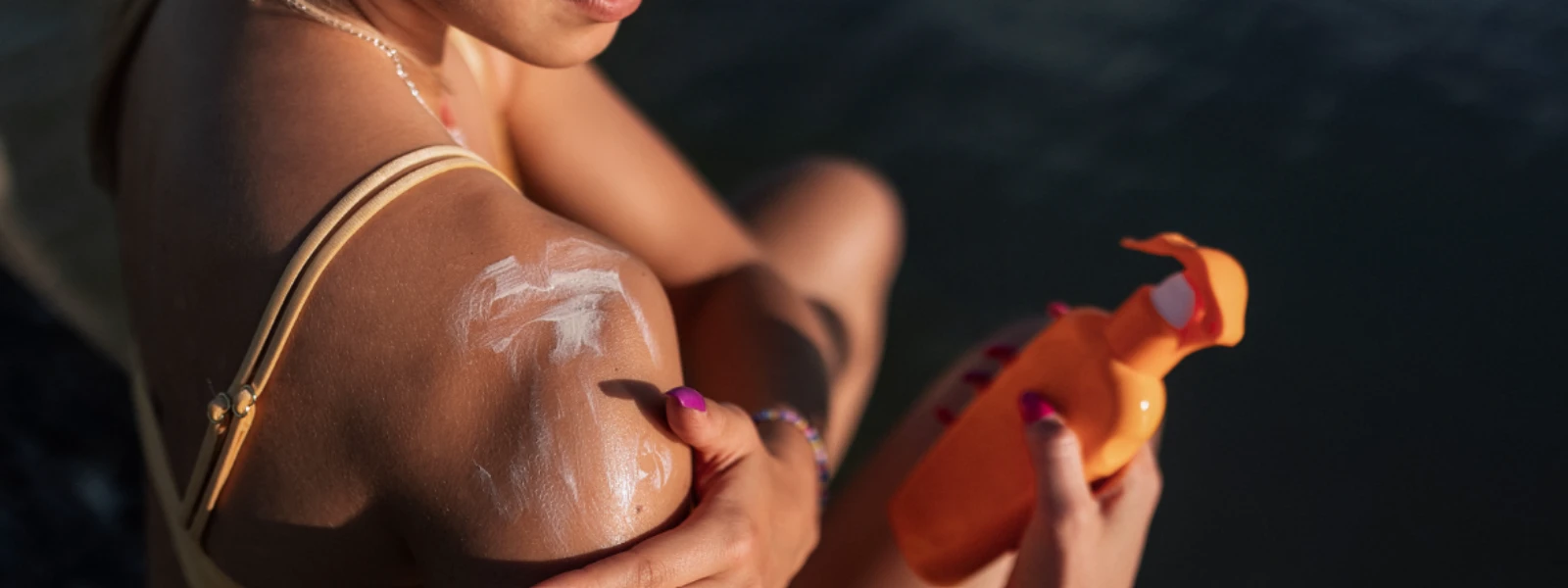
Proper application technique significantly impacts how long does sunscreen work effectively. Most people apply only 25-50% of the recommended amount, which dramatically reduces both protection level and duration. For your face, you need about a quarter teaspoon of sunscreen. For your entire body, aim for approximately one ounce – about the amount that would fill a shot glass. Apply sunscreen 15-30 minutes before sun exposure to allow the sunscreen active ingredients to properly bind to your skin.
SPF expiration dates matter more than you might think. Sunscreen shelf life typically ranges from two to three years, but heat exposure can significantly reduce this timeframe. Leaving sunscreen in a hot car or direct sunlight can break down the active ingredients, reducing sunscreen potency well before the printed expiration date. Store your sunscreen in a cool, dry place to maintain maximum effectiveness. If your sunscreen has changed color, consistency, or smell, it's time to replace it regardless of the expiration date.
No, SPF 50 doesn't indicate time duration. The number refers to the level of UVB protection, not how long the sunscreen remains effective. SPF 50 blocks about 98% of UVB rays but still requires reapplication every two hours.
Facial sunscreen may wear off faster due to more frequent touching, oil production, and makeup application. Both face and body applications follow the same two-hour reapplication rule, but facial areas might need attention sooner during active days.
No sunscreen, regardless of SPF level, provides effective protection for five hours without reapplication. Even SPF 50 requires refreshing every two hours under normal conditions, and more frequently during swimming or sweating.
Your skin might feel warmer, look slightly red, or feel tight. However, don't wait for these signs – follow the two-hour reapplication schedule regardless of how your skin feels.
Understanding how long SPF 50 lasts empowers you to maintain consistent sun protection throughout your day. Remember that two hours is the maximum effective duration under ideal conditions, and real-world activities often require more frequent reapplication. The key to successful sun protection isn't just choosing a high SPF – it's applying enough product, reapplying regularly, and understanding how your daily activities affect your sunscreen's performance. By following these guidelines, you'll maintain the protective barrier your skin needs to stay healthy and comfortable in the sun.
