


Essential Checklist: Understanding SPF Protection
Your Cart
0You May Also Like
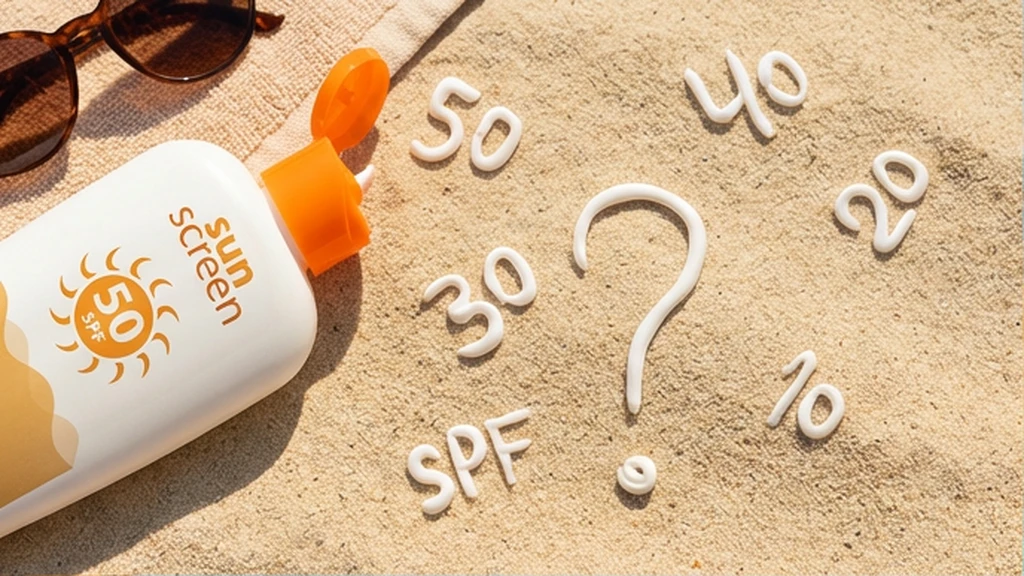
When you see SPF numbers on sunscreen bottles, you might wonder exactly what SPF protection means for your skin. Understanding these numbers isn't just about picking the highest one on the shelf. It's about making smart choices that keep your skin healthy and protected. The sun protection factor tells a specific story about how your sunscreen works, and knowing this story helps you choose the right protection for your lifestyle. Let's break down everything you need to know about SPF so you can make confident decisions about your sun protection routine.
SPF stands for Sun Protection Factor, and it measures how well a sunscreen protects against UVB rays that cause sunburn. Think of it as a multiplier for how long you can stay in the sun before burning. If your skin normally burns after 10 minutes of sun exposure, SPF 30 theoretically allows you to stay out 30 times longer, or about 5 hours. The spf meaning goes deeper than just time, though. SPF actually measures the percentage of UVB rays that get blocked. SPF 15 blocks about 93% of UVB rays, SPF 30 blocks 97%, and SPF 50 blocks 98%. Notice how the protection doesn't double when the number doubles? That's because we're dealing with percentages, not absolute protection amounts.
Your sunscreen creates a protective barrier on your skin that absorbs or reflects harmful UV radiation. How spf works depends on the type of sunscreen ingredients. Chemical sunscreens absorb UV rays and convert them to heat, while mineral sunscreens reflect the rays away from your skin. UVB rays are the main target of SPF ratings because they're responsible for sunburn and play a major role in skin cancer development. However, UVA rays also damage your skin by causing premature aging and contributing to cancer risk.
When comparing spf levels, the differences might surprise you. The jump from SPF 15 to SPF 30 gives you a meaningful increase in protection, going from 93% to 97% UVB blocking. But moving from SPF 30 to SPF 50 only adds one more percentage point of protection. This doesn't mean higher SPF is useless. That extra 1% can matter if you're spending long hours outdoors or have very fair skin. Plus, most people don't apply enough sunscreen, so higher SPF provides a safety buffer. Spf ratings above 50 offer minimal additional benefit for most people, though they might give peace of mind for extended outdoor activities.
Broad spectrum spf protection covers both UVA and UVB rays. Look for this label on your sunscreen because SPF numbers alone only measure UVB protection. UVA rays penetrate deeper into your skin and cause long-term damage like wrinkles and age spots. Some countries use PA ratings alongside SPF to indicate UVA protection. PA+ offers some UVA protection, while PA++++ provides the highest level. This system helps you understand the complete protection your sunscreen offers.
Your ideal SPF depends on several factors including your skin tone, where you live, and how much time you spend outdoors. Fair skin that burns easily needs higher SPF protection, typically SPF 30 or higher. Darker skin tones have more natural protection but still need sunscreen protection to prevent damage and cancer. Consider your daily activities when choosing SPF. Office workers who walk to lunch might do fine with SPF 15-30, while outdoor athletes need SPF 30-50. Water activities require water-resistant formulas that maintain protection when you sweat or swim.
Oily skin benefits from lightweight, non-comedogenic SPF formulas that won't clog pores. Look for gel or fluid textures that absorb quickly without leaving a greasy feeling. Sensitive skin needs gentle, mineral-based sunscreens with zinc oxide or titanium dioxide. These ingredients are less likely to cause irritation compared to chemical sunscreen filters.
Even the best SPF won't work if you don't apply it correctly. Most people use only 25-50% of the recommended amount, which dramatically reduces protection. You need about a teaspoon of sunscreen for your face and neck, and a shot glass worth for your entire body. Timing matters too. Apply sunscreen 15-30 minutes before sun exposure to let it absorb properly. Reapply every two hours, or immediately after swimming or heavy sweating. Sunburn prevention depends on consistent reapplication, not just the initial SPF number.
Water-resistant sunscreen maintains its SPF for either 40 or 80 minutes of water exposure, as indicated on the label. This doesn't mean the sunscreen lasts longer on dry skin. You still need to reapply every two hours for continuous protection. Sweat can also reduce sunscreen effectiveness, especially with chemical formulas. If you're exercising outdoors, choose sport formulas designed to stay put during physical activity.
Sunscreen is just one part of comprehensive sun protection. Clothing provides excellent protection, especially tightly woven fabrics and darker colors. Wide-brimmed hats protect your face, ears, and neck areas that are easy to miss with sunscreen. Seek shade during peak UV hours between 10 AM and 4 PM when the sun's rays are strongest. Understanding spf includes knowing when you need extra protection beyond just sunscreen.
UV rays reach your skin year-round, even on cloudy days and through windows. Snow, sand, and water reflect UV rays, increasing your exposure. This means you need daily SPF protection, not just during summer beach trips. Winter sports enthusiasts face particularly high UV exposure due to reflection off snow at high altitudes. Don't skip sunscreen just because it's cold outside.
SPF 30 provides excellent daily protection for most people, blocking 97% of UVB rays. SPF 50 blocks 98% and offers a safety margin if you don't apply enough product. For daily use, SPF 30 is sufficient if applied properly and reapplied regularly.
This indicates the sunscreen blocks 98% of UVB rays (SPF 50) and provides the highest level of UVA protection (PA++++). It's excellent broad-spectrum protection for extended sun exposure.
SPF protection lasts about 2 hours under normal conditions, regardless of the SPF number. Water, sweat, and toweling off reduce this time. Reapplication every 2 hours maintains consistent protection.
Facial skin is more sensitive and benefits from gentler formulas, often with added skincare benefits. Body sunscreens can be more economical for larger areas. Both should offer broad-spectrum protection appropriate for your skin type.
What spf protection means goes beyond just numbers on a bottle. It's about understanding how much UV protection you're getting and using that knowledge to make smart choices. SPF 30 offers excellent protection for most situations, while higher SPF provides extra insurance for extended outdoor time. Remember that proper application and regular reapplication matter more than choosing the highest SPF number. Combine sunscreen with other protective measures like clothing and shade for the best defense against UV damage. Your skin will thank you for taking the time to understand and properly use SPF protection.
