


Essential Checklist: Understanding Hyperpigmentation Causes for Indian Skin
Your Cart
0You May Also Like
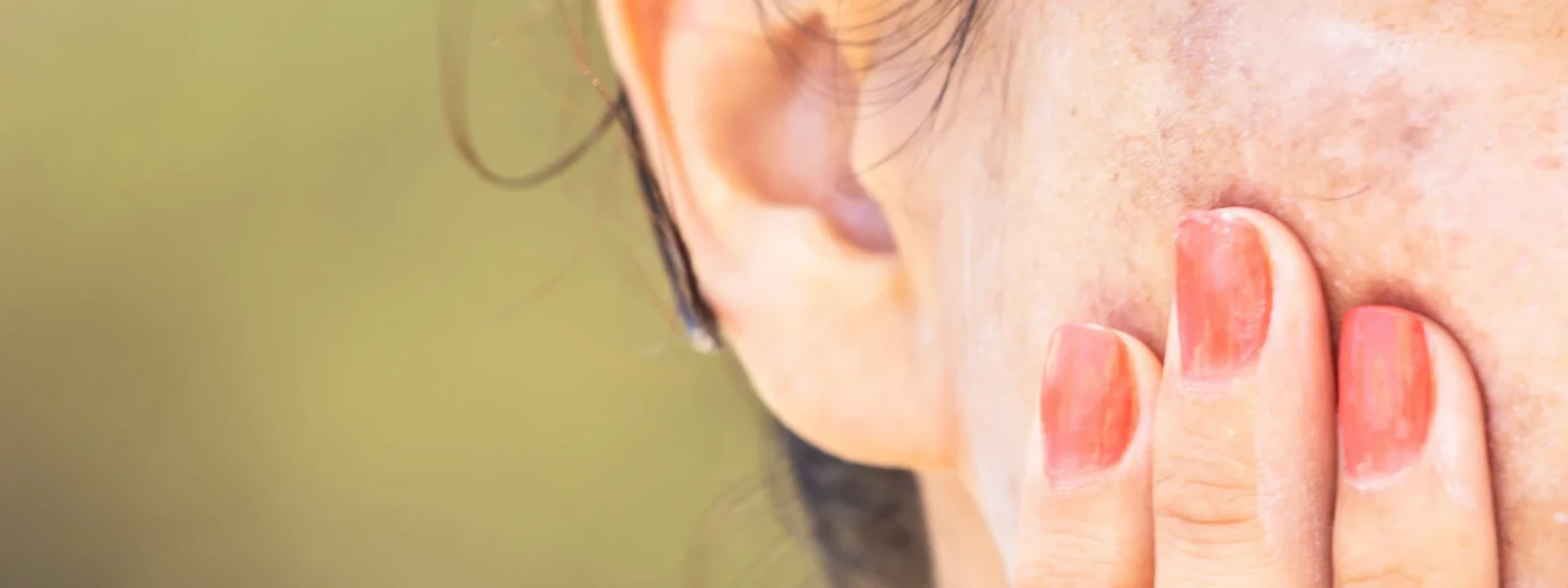
If you've ever noticed dark spots appearing on your face seemingly overnight, you're not alone. Studies show that 20-30% of Indian women aged 40-65 experience some form of hyperpigmentation, making it one of the most common skin concerns in our population. What makes this even more challenging is that Indian skin has unique characteristics that make it particularly susceptible to pigmentation issues.
Understanding the specific hyperpigmentation causes Indian skin faces is the first step toward prevention and treatment. From our genetic makeup to environmental factors, several elements work together to create those stubborn dark spots that can affect our confidence and skin health.
Indian skin types typically fall between Fitzpatrick III-V on the skin classification scale, which means we naturally produce more melanin than lighter skin tones. This higher melanin production Indian skin creates both advantages and challenges for us.
While increased melanin provides natural protection against UV damage, it also means our skin cells are more reactive to triggers. When something irritates or inflames our skin, melanocytes (the cells that produce melanin) go into overdrive, creating those persistent dark spots we struggle with.
Research from Indian dermatological studies shows that our genetic makeup includes more active melanocytes compared to other ethnicities. This evolutionary advantage helped protect our ancestors from intense sun exposure, but in today's world, it can lead to unwanted Indian skin discoloration.
Living in tropical and subtropical climates means year-round sun exposure and high humidity levels. These conditions create the perfect storm for pigmentation issues, especially when combined with pollution in urban areas.
Understanding what triggers hyperpigmentation Indian skin helps you take preventive action. Here are the main culprits you need to watch out for in your daily life.
Each cause affects Indian skin differently due to our unique melanin structure and environmental factors. Let's break down each trigger so you can identify and address them effectively.
Sun exposure hyperpigmentation accounts for nearly 80% of all pigmentation issues in Indian skin. UV rays don't just cause immediate tanning - they create long-term damage that shows up as dark spots months or even years later.
What makes this worse for us is that Indian climates often combine intense UV radiation with high temperatures. This thermal damage goes beyond what UV alone can cause, leading to deeper pigmentation issues.
Hormonal fluctuations trigger melasma in 20-30% of Indian women, particularly during pregnancy, menopause, or when using birth control. These hormonal shifts make melanocytes more sensitive to other triggers like sun exposure.
PCOS, which affects many Indian women, also creates hormonal imbalances that can lead to skin darkening Indian skin experiences, especially around the neck and underarms.
Any injury or inflammation to Indian skin can result in dark spots. This includes acne, cuts, burns, or even aggressive skincare treatments. Our skin's high melanin content means these marks take longer to fade compared to lighter skin tones.
Cultural beauty practices like threading, waxing, or using harsh scrubs can also trigger inflammation that leads to pigmentation.
Beyond the obvious causes, several hidden factors contribute to Indian skin dark spots that many people overlook. Recognizing these can help you prevent future pigmentation issues.
These lesser-known triggers often work in combination with primary causes, making pigmentation worse or harder to treat.
Air pollution in Indian cities creates free radicals that damage skin cells and trigger melanin production. Particulate matter can also clog pores, leading to inflammation and subsequent pigmentation.
Some common medications, including certain antibiotics, antimalarials, and chemotherapy drugs, can cause drug-induced pigmentation. Always discuss potential side effects with your doctor.
Deficiencies in vitamins B12, folate, or iron can contribute to uneven skin tone Indian skin develops. These deficiencies are more common in vegetarian diets, which many Indians follow.
Preventing hyperpigmentation is much easier than treating existing dark spots. The key is understanding which protective measures work best for Indian skin types.
Consistency in your prevention routine makes the biggest difference. Small daily actions compound over time to protect your skin from future pigmentation.
The best sunscreen for Indian skin should have broad-spectrum SPF 30 or higher and be reapplied every 2-3 hours. Look for zinc oxide or titanium dioxide for sensitive skin, or chemical sunscreens with avobenzone for daily wear.
Physical protection like wide-brimmed hats, sunglasses, and UV-protective clothing provides additional defense, especially during peak sun hours between 10 AM and 4 PM.
Avoid harsh scrubbing or aggressive treatments that can trigger inflammation. Instead, use gentle cleansers and incorporate ingredients like niacinamide, vitamin C, or azelaic acid that help prevent pigmentation while being gentle on Indian skin.
While many cases of hyperpigmentation can be managed with proper skincare, some situations require professional intervention. Treating hyperpigmentation Indian skin sometimes needs dermatological expertise.
See a dermatologist if your pigmentation appears suddenly, covers large areas, or doesn't respond to consistent skincare after 3-6 months. They can determine if underlying health conditions are contributing to your pigmentation issues.
Indian skin naturally produces more melanin due to genetic factors and has more active melanocytes. This makes our skin more reactive to triggers like sun exposure, inflammation, and hormonal changes, leading to easier pigmentation formation.
While you can't completely prevent all pigmentation due to genetic factors, you can significantly reduce your risk through consistent sun protection, gentle skincare, and avoiding known triggers like harsh treatments or picking at your skin.
In Indian skin, pigmentation typically takes 6-12 months to fade naturally without treatment. Post-inflammatory hyperpigmentation may fade faster (3-6 months), while melasma and sun spots often require active treatment to see significant improvement.
Avoid harsh ingredients like high-concentration acids, retinoids (without proper introduction), and physical scrubs. Also be cautious with essential oils like bergamot or lime that can cause photosensitivity and worsen pigmentation.
Understanding hyperpigmentation causes Indian skin faces is your first defense against dark spots and uneven tone. Our genetic makeup makes us more susceptible to pigmentation, but this knowledge empowers us to take targeted preventive action.
Remember that prevention is always easier than treatment. Consistent sun protection, gentle skincare practices, and awareness of your personal triggers can help you maintain even, healthy skin. When in doubt, consult with a dermatologist who understands the unique needs of Indian skin types.
