


Essential Checklist: Protecting Your Lips from Sun
Your Cart
0You May Also Like
Your lips are one of the most vulnerable parts of your body when it comes to sun damage, yet they're often the most neglected in our sun protection routines. Unlike the rest of your facial skin, your lips have a thinner protective barrier and produce less melanin, making them particularly susceptible to UV damage. Understanding how much SPF is enough for lips isn't just about preventing sunburn – it's about protecting yourself from long-term damage, premature aging, and even skin cancer. The good news? With the right knowledge and products, keeping your lips safe and healthy is easier than you might think.
When it comes to how much SPF is enough for lips, dermatologists consistently recommend a minimum of SPF 30 for daily use. This level provides approximately 97% protection against harmful UVB rays, which is sufficient for most everyday activities like commuting, running errands, or working indoors with occasional sun exposure. For extended outdoor activities, beach days, or high-altitude adventures, SPF 50 becomes the gold standard. While the difference between SPF 30 and SPF 50 might seem small – SPF 50 blocks about 98% of UVB rays – that extra protection becomes crucial during prolonged sun exposure. The key isn't just the number, but how consistently you apply and reapply your lip protection.
SPF 15 blocks about 93% of UVB rays and might be acceptable for very brief outdoor exposure, but it's generally insufficient for adequate lip protection. SPF 30 offers that crucial 97% protection that dermatologists recommend as the baseline. SPF 50 provides the highest practical protection at 98%, making it ideal for sensitive lips or intense sun exposure.
If you have particularly SPF for sensitive lips needs or live in areas with intense UV exposure, starting with SPF 30 and working up to SPF 50 can help your lips adjust. Remember that higher SPF doesn't mean you can skip reapplication – consistency matters more than the specific number.
Your lips require specialized sun protection for lips because their anatomy is fundamentally different from the rest of your skin. The lip area has a much thinner stratum corneum – the outermost protective layer of skin – making it more permeable to UV radiation. Additionally, lips contain fewer melanocytes, the cells that produce protective melanin, leaving them naturally more vulnerable to sun damage. Common signs of lip sun damage include immediate burning, persistent dryness, and over time, fine lines around the mouth area. More seriously, the lips are actually a common location for skin cancer, with the lower lip being particularly at risk due to its greater sun exposure. Studies show that lip cancer accounts for about 25-30% of all oral cancers.
One persistent myth is that regular facial sunscreen provides adequate lip protection. While you can use regular sunscreen on your lips in emergencies, lip sunscreen formulations are specifically designed to stay put longer, taste better, and provide the moisture your lips need while protecting them.
The SPF lip balm benefits go far beyond just sun protection when you choose the right formulation. Look for products that offer broad-spectrum protection, covering both UVA rays (which cause aging) and UVB rays (which cause burning). This comprehensive coverage ensures you're protecting against both immediate damage and long-term skin health issues. Water-resistant formulations are crucial if you're swimming, sweating, or drinking frequently. These formulas are designed to maintain their protective barrier even when exposed to moisture, though they still require regular reapplication.
The best lip balm with SPF products combine sun protection with nourishing ingredients. Look for shea butter for deep moisturization, hyaluronic acid for hydration retention, and petrolatum for creating a protective barrier. These ingredients work together to keep your lips soft and healthy while providing sun protection.
Choose between balm, stick, or liquid applications based on your lifestyle. Sticks offer precision and portability, balms provide rich moisture, and liquid formulations often offer the highest SPF levels. The key is finding a texture you'll actually want to use consistently.
Developing the best lip protection from sun strategy depends largely on your daily activities and sun exposure levels. For typical daily routines involving commuting and indoor work, applying SPF 30 lip protection in the morning and reapplying once or twice throughout the day provides adequate coverage. For beach days, hiking, or outdoor sports, step up to SPF 50 and commit to reapplying every two hours, or more frequently if you're swimming or sweating heavily. The intense UV reflection from water and sand can double your exposure, making higher protection essential.
Winter sports and high-altitude activities require special attention because UV rays intensify with elevation, and snow reflects up to 80% of UV radiation back at your face. In these conditions, even SPF 50 should be reapplied every hour.
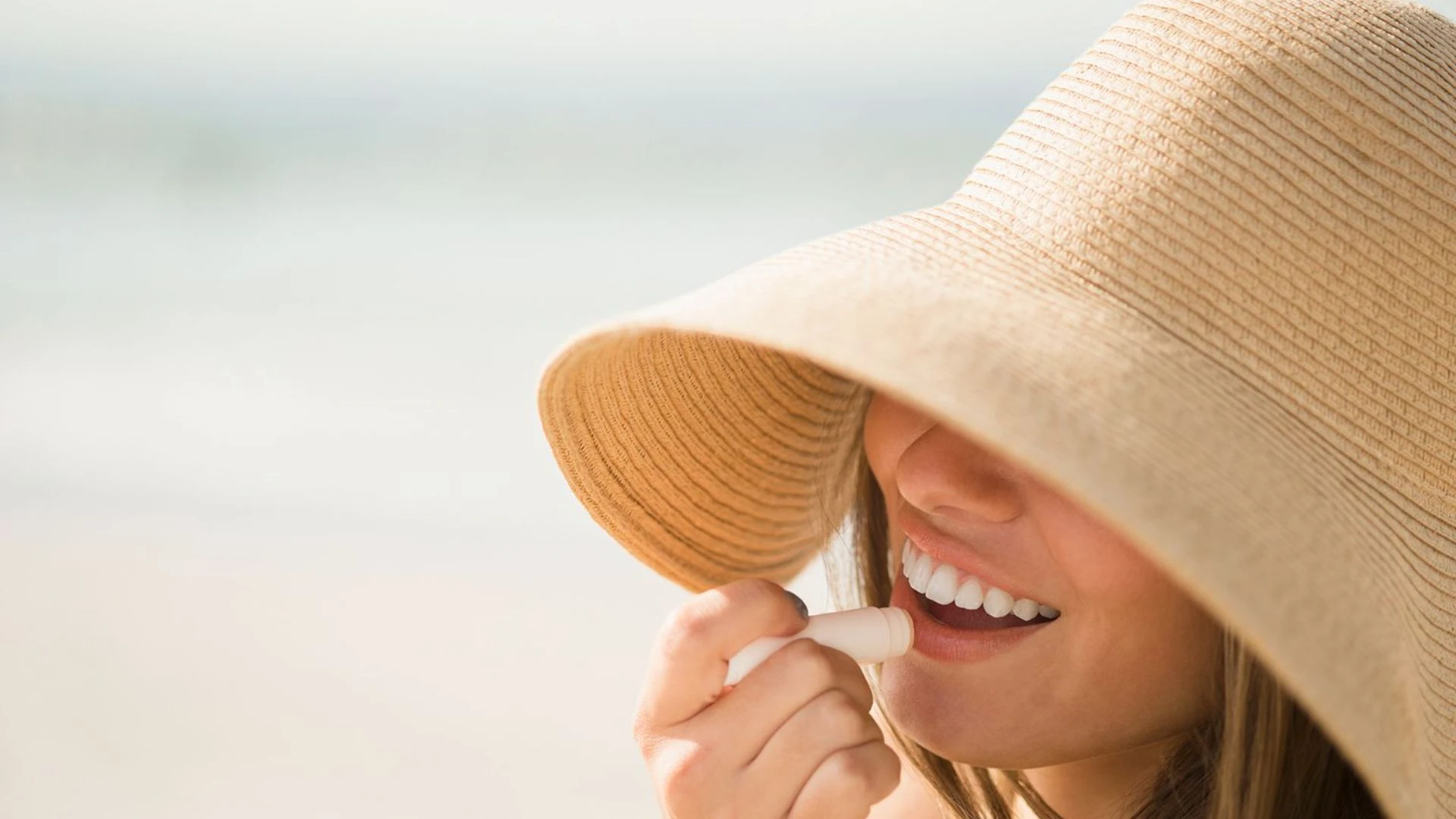
Creating an effective lip care routine sun protection starts with making daily lip SPF application as automatic as brushing your teeth. Begin each morning by applying your chosen SPF lip product before any other lip products or makeup. This ensures the sunscreen creates a proper barrier against UV rays. Throughout the day, reapply every two hours, and always after eating, drinking, or swimming. Keep a backup lip SPF in your car, purse, and desk drawer to make reapplication convenient. Evening care should focus on repair and deep hydration, using products with healing ingredients to address any daily sun exposure.
If you wear lipstick or lip gloss, apply your SPF lip balm first as a base. Many SPF lip products work beautifully under color cosmetics and can actually help your lip color last longer by providing a smooth, protected base.
When prevention fails and you're dealing with sunburned lips treatment, immediate care focuses on cooling and hydration. Apply a cold, damp cloth to reduce inflammation, then follow with a thick, healing balm containing aloe vera, vitamin E, or ceramides. Avoid products with menthol or camphor, which can further irritate burned skin. For severe burning with blistering, persistent pain, or signs of infection, consult a dermatologist promptly. Most mild lip sunburns heal within 3-5 days with proper care, but the key is preventing future damage through consistent SPF use.
During the healing process, continue using SPF protection even on damaged lips – just choose gentler, more moisturizing formulations. Once healed, return to your regular sun protection routine to prevent recurring damage.
SPF 50 is not too much for lips, especially during extended sun exposure or for those with sensitive skin. While SPF 30 is sufficient for daily use, SPF 50 provides valuable extra protection during beach days, outdoor sports, or high-altitude activities.
While you can use regular sunscreen on lips in emergencies, lip-specific SPF products are formulated to taste better, stay on longer, and provide the moisture your lips need. They're also less likely to cause irritation.
Reapply lip SPF every two hours, and immediately after eating, drinking, swimming, or wiping your mouth. For extended outdoor activities, consider reapplying every hour for maximum protection.
Dermatologists consistently recommend a minimum of SPF 30 for daily lip protection, with broad-spectrum coverage and regular reapplication. For extended sun exposure, they often suggest SPF 50.
Protecting your lips from sun damage requires the same attention you give to the rest of your skin. SPF 30 provides excellent daily protection, while SPF 50 offers optimal coverage for extended outdoor activities. The key to effective lip protection lies not just in choosing the right SPF level, but in consistent application and regular reapplication throughout the day. By making lip SPF a non-negotiable part of your daily routine, you're investing in both immediate comfort and long-term lip health. Remember, the best lip protection is the one you'll actually use consistently – so find a formula you love and make it part of your everyday sun safety habits.
