


Essential Checklist: Protecting Sensitive Skin from Sun
Your Cart
0You May Also Like
When you have sensitive skin, sun protection becomes more than just preventing sunburn—it's about safeguarding your skin's health and comfort. Sensitive skin reacts differently to UV exposure, often experiencing irritation, redness, or allergic reactions from both the sun and traditional sunscreen ingredients. Finding the right balance of effective protection without triggering sensitivity requires a thoughtful approach. This comprehensive guide provides essential tips for sun protection sensitive skin needs, helping you enjoy outdoor activities while keeping your delicate skin safe and comfortable.
Sensitive skin faces unique challenges when exposed to sunlight. The skin's protective barrier is often compromised, making it more susceptible to UV damage and irritation. This vulnerability stems from several factors including genetics, environmental exposure, and the use of certain skincare products or medications. Common triggers that worsen sun sensitivity include harsh skincare ingredients, certain medications like antibiotics or retinoids, and underlying skin conditions such as rosacea or eczema. Recognizing these factors helps you prepare better protection strategies.
Watch for immediate reactions like stinging, burning, or redness within minutes of sun exposure. Delayed reactions might include persistent irritation, peeling, or darkening of the skin. If you experience severe reactions, consult a dermatologist to rule out photosensitivity disorders.
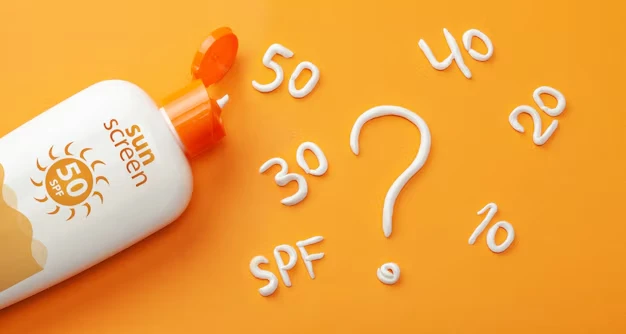
Choosing the right sunscreen for sensitive skin makes all the difference in your protection routine. Mineral sunscreens containing zinc oxide or titanium dioxide are typically the best sunscreen sensitive skin can tolerate. These ingredients sit on top of the skin rather than absorbing into it, reducing the risk of irritation. Look for hypoallergenic sunscreen options that are fragrance-free, paraben-free, and dermatologist-tested. The ideal SPF for daily use is at least 30, but for extended outdoor activities, choose SPF 50 or higher with broad-spectrum protection.
Gentle sunscreen formulations should include moisturizing ingredients like ceramides or hyaluronic acid. Water-resistant formulas work well for swimming or sweating, but remember they still need reapplication every two hours.
Apply one-quarter teaspoon of sunscreen to your face and neck area. For your body, use about one ounce (two tablespoons) for full coverage. Apply 15-30 minutes before sun exposure and reapply every two hours, or immediately after swimming or sweating.
Sun protection clothing provides reliable defense without the need for chemical products on your skin. Look for garments with UPF (Ultraviolet Protection Factor) ratings of 50 or higher. Tightly woven fabrics in darker colors generally offer better protection than light, loose weaves. Essential protective items include long-sleeved shirts, wide-brimmed hats with at least a four-inch brim, and UV-blocking sunglasses. For sun protection for face, consider face gaiters or neck protection accessories that cover often-missed areas.
Choose breathable fabrics like tightly woven cotton or specialized sun-protective materials. These keep you cool while providing excellent UV protection. Avoid wet clothing, as it loses much of its protective ability.
Beyond products and clothing, smart lifestyle choices enhance your protection strategy. Seek shade whenever possible, especially during peak UV hours between 10 AM and 4 PM. Create portable shade with umbrellas or pop-up tents for beach or park visits. Stay hydrated and eat antioxidant-rich foods like berries, leafy greens, and tomatoes. These nutrients support your skin's natural defense mechanisms against UV damage.
Don't forget about UV exposure through windows. Car windows block UVB rays but not all UVA rays. Consider window tinting or UV-blocking films for your home and vehicle to protect sensitive skin during daily activities.
Sunburn prevention sensitive skin requires a multi-layered approach. Start with a gentle moisturizer before applying sunscreen to create a protective barrier. Monitor your skin throughout sun exposure, taking breaks in shade every hour. After sun exposure, use cool compresses and gentle, fragrance-free moisturizers to soothe your skin. Avoid products with alcohol or strong fragrances that might cause additional irritation.
Establish a morning routine that includes checking the UV index, applying sunscreen, and selecting appropriate clothing. Set phone reminders for sunscreen reapplication throughout the day.
Certain environments require extra precautions. Beach and pool settings involve reflected UV rays from water and sand, doubling your exposure. High altitudes increase UV intensity, while snow can reflect up to 80% of UV rays. If you take medications that increase photosensitivity, discuss additional protection strategies with your healthcare provider. Some medications require complete sun avoidance during treatment.
Winter sun protection often gets overlooked, but UV rays remain strong, especially with snow reflection. Adjust your routine seasonally, using lighter formulations in summer and more moisturizing options in winter.
Avoid chemical sunscreen ingredients like oxybenzone, avobenzone, and octinoxate, which commonly cause irritation. Also steer clear of fragrances, parabens, and alcohol-based formulations.
Reapply every two hours minimum, or immediately after swimming, sweating, or toweling off. For very sensitive skin, consider reapplying every 90 minutes during intense sun exposure.
Makeup with SPF provides some protection but typically isn't applied thickly enough for adequate coverage. Use a dedicated sunscreen underneath makeup for complete protection.
Remove the product immediately with gentle cleanser and cool water. Apply a fragrance-free moisturizer and avoid sun exposure until the reaction subsides. Consult a dermatologist if reactions persist.
Protecting sensitive skin from sun damage requires a thoughtful combination of the right products, protective clothing, and smart lifestyle choices. Mineral sunscreen sensitive skin can tolerate, combined with UPF clothing and strategic shade-seeking, provides comprehensive protection. Remember that consistency matters more than perfection—developing sustainable sun protection tips into daily habits ensures long-term skin health. When in doubt, consult with a dermatologist to develop a personalized protection plan that works for your specific skin needs and lifestyle.
