


Essential Checklist: Choosing the Right Sunscreen
Your Cart
0You May Also Like
Summer days call for fun in the sun, but choosing the right sunscreen can feel overwhelming. With so many options on the shelf, how do you know which one truly protects your skin? The key lies in understanding the difference between broad spectrum vs regular sunscreen. This simple distinction can make or break your sun protection routine. Let's dive into what makes some sunscreens better than others and how to pick the perfect one for your needs.
The main difference between broad spectrum and regular sunscreen comes down to coverage. Regular sunscreen typically blocks only UVB rays, which cause sunburn. Broad spectrum sunscreen goes further by protecting against both UVA and UVB rays. This matters more than you might think. UVA rays penetrate deeper into your skin and cause long-term damage like wrinkles and age spots. They also contribute to skin cancer risk. Regular sunscreen leaves you vulnerable to this hidden damage, even when you don't burn.
The FDA has strict rules about which products can claim "broad spectrum" protection. Sunscreens must pass a critical wavelength test, proving they block rays up to at least 370 nanometers. This ensures real UVA protection, not just marketing claims.
Look for "Broad Spectrum" clearly printed on the label. If you don't see these exact words, the product likely offers limited protection. Some brands use terms like "full spectrum" or "complete protection," but only "broad spectrum" guarantees FDA-tested UVA coverage.
Think of UV rays like invisible arrows hitting your skin all day long. There are two main types, and each one damages your skin differently. Understanding this helps explain why broad spectrum protection is so important. UVB rays are the "burning" rays. They're strongest during midday and summer months. These rays hit the surface of your skin and cause redness, pain, and peeling. Most people notice UVB damage right away because it hurts.
UVA rays work differently. They penetrate much deeper into your skin and cause damage you can't see or feel immediately. These rays stay consistent throughout the day and year, even passing through clouds and windows. UVA damage shows up as premature aging, dark spots, and loss of skin elasticity. Even worse, it weakens your skin's natural defenses against cancer. This is why dermatologists call UVA the "aging" ray.
Both UVA and UVB rays contribute to skin cancer risk. UVB rays cause direct DNA damage in skin cells. UVA rays create harmful free radicals that damage cells over time. Together, they significantly increase your chances of developing skin cancer.
Choosing broad spectrum sunscreen gives you multiple layers of protection that regular sunscreen simply can't match. These benefits add up over time, keeping your skin healthier and younger-looking for years to come. The most obvious benefit is preventing sunburn. But broad spectrum protection goes much deeper than surface-level comfort. It actively fights the aging process by blocking the UVA rays that break down collagen and elastin in your skin.
Daily broad spectrum use can prevent up to 80% of visible aging signs. This includes fine lines, wrinkles, age spots, and uneven skin tone. Think of it as a daily investment in your future appearance.
Broad spectrum sunscreen helps prevent and reduce hyperpigmentation. Those dark spots and patches that develop from sun exposure fade more easily when you consistently block both types of UV rays.
Most importantly, broad spectrum sunscreen significantly reduces your skin cancer risk. Studies show that daily use can lower melanoma risk by up to 50%. This protection is especially crucial if you have fair skin or a family history of skin cancer.
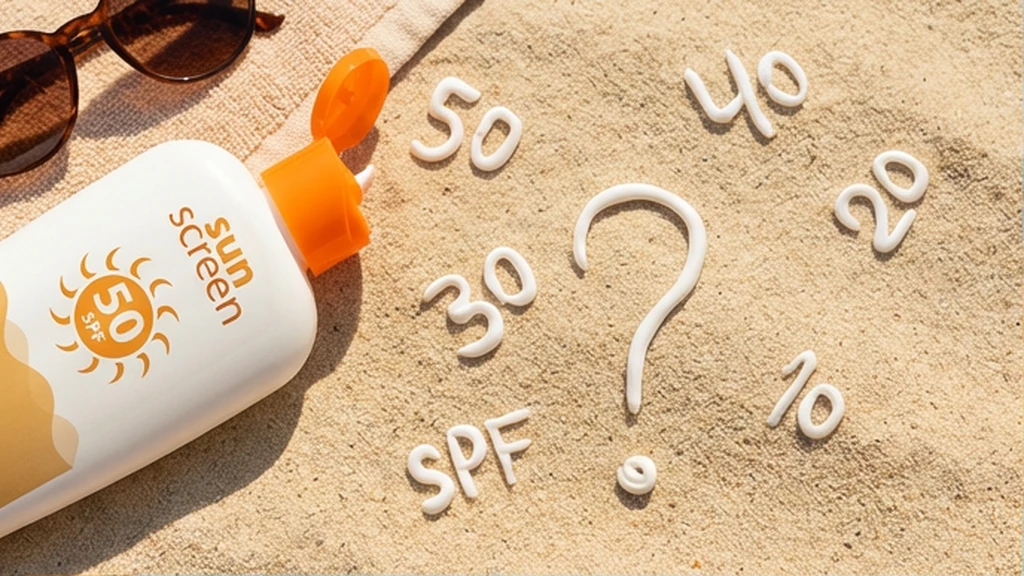
Not all broad spectrum sunscreens are created equal. Learning to read labels and understand key ingredients helps you choose products that actually deliver on their promises. Here's what to look for when shopping. Start with the SPF number, but don't stop there. SPF measures UVB protection only, so a high SPF doesn't guarantee good UVA coverage. Look for SPF 30 or higher combined with broad spectrum labeling for the best protection.
The best broad spectrum sunscreens contain specific active ingredients proven to block both UVA and UVB rays: • **Zinc oxide**: Provides excellent broad spectrum protection and works well for sensitive skin • **Titanium dioxide**: Another mineral option that's gentle and effective • **Avobenzone**: A chemical ingredient that offers strong UVA protection • **Mexoryl SX and XL**: Advanced chemical filters with superior UVA coverage
Some sunscreens include PA ratings (PA+, PA++, PA+++, PA++++), which specifically measure UVA protection. More plus signs mean better UVA blocking power. This system helps you compare UVA protection between different products.
Your lifestyle and skin type affect which broad spectrum sunscreen works best for you. Different formulations excel in different situations, so matching the product to your needs ensures better protection and daily use. For daily wear, look for lightweight formulations that layer well under makeup or moisturizer. These products should absorb quickly without leaving a white cast or greasy feeling.
Facial sunscreens often contain additional beneficial ingredients like antioxidants or hydrating compounds. They're typically formulated to work well with makeup and won't clog pores or cause breakouts.
If you spend time outdoors or exercise regularly, choose water-resistant broad spectrum sunscreens. These formulations stay put during sweating or swimming, maintaining protection when you need it most.
Mineral sunscreens with zinc oxide or titanium dioxide work best for sensitive skin. These ingredients sit on top of skin rather than absorbing into it, reducing the chance of irritation while providing excellent broad spectrum protection.
Misinformation about sunscreen can lead to poor protection choices. Let's clear up some common myths that might be affecting your sun protection strategy. Many people believe that higher SPF automatically means better protection. While SPF 30 blocks about 97% of UVB rays, SPF 50 only blocks 98%. The difference is minimal, and SPF alone doesn't indicate UVA protection quality.
Both chemical and mineral broad spectrum sunscreens are safe when used as directed. Chemical sunscreens absorb UV rays, while mineral sunscreens reflect them. Both types can provide excellent broad spectrum protection.
Even the best broad spectrum sunscreen needs reapplication every two hours, or immediately after swimming or sweating. No sunscreen provides all-day protection from a single application, regardless of its SPF or broad spectrum claims.
UV rays penetrate clouds, so you need broad spectrum protection even on overcast days. Snow, sand, and water reflect UV rays, increasing your exposure. This makes broad spectrum protection essential year-round, not just during summer.
Yes, broad spectrum sunscreen provides superior protection by blocking both UVA and UVB rays. Regular sunscreen typically only blocks UVB rays, leaving you vulnerable to UVA damage that causes aging and increases cancer risk.
"Broad spectrum" is an FDA-regulated term that guarantees UVA and UVB protection. "Full spectrum" is a marketing term without specific requirements. Always choose products labeled "broad spectrum" for reliable protection.
Reapply every two hours, or immediately after swimming, sweating, or toweling off. Even water-resistant formulations need regular reapplication to maintain effective protection throughout the day.
Absolutely! Daily facial broad spectrum sunscreen use is one of the best anti-aging and health protection strategies you can adopt. Choose formulations designed for facial use for the most comfortable daily wear.
SPF 30 to 50 provides excellent protection when combined with broad spectrum labeling. Higher SPF numbers offer minimal additional benefit and may contain more chemicals that could irritate sensitive skin.
Choosing between broad spectrum vs regular sunscreen isn't really a choice at all. Broad spectrum protection offers comprehensive coverage that regular sunscreen simply can't match. The small price difference pays huge dividends in skin health and appearance over time. Remember to look for "Broad Spectrum" on the label, choose SPF 30 or higher, and reapply regularly. Whether you prefer mineral or chemical formulations, the most important thing is finding a broad spectrum sunscreen you'll actually use every day. Your future self will thank you for making this simple but powerful choice.
