


Complete Guide to UV Protection for Healthy Skin
Your Cart
0You May Also Like
The sun's rays feel amazing on your skin, but they can cause serious damage that builds up over time. Every day, UV radiation penetrates through clouds and windows, affecting your skin even when you think you're safe. Understanding proper UV protection for skin isn't just about preventing sunburn – it's about protecting yourself from premature aging, dark spots, and skin cancer. Whether you're spending time outdoors or just going about your daily routine, your skin needs consistent protection. This guide will walk you through everything you need to know about keeping your skin healthy and protected from harmful UV rays.
UV radiation comes in different forms, and each type affects your skin differently. The sun emits three types of ultraviolet rays, but only two reach your skin and cause damage. Learning about these rays helps you choose the right protection methods.
UVA rays make up about 95% of the UV radiation that reaches Earth. These rays penetrate deep into your skin and cause aging, wrinkles, and dark spots. They're present all year round and can pass through glass windows. UVB rays are the ones that cause sunburn and play a major role in skin cancer development. They're strongest between 10 AM and 4 PM and vary by season. UVC rays are the most dangerous, but Earth's ozone layer blocks them completely.
When UV rays hit your skin, they damage the DNA in your skin cells. This damage triggers your body to produce more melanin, which creates a tan. However, this process also creates free radicals that break down collagen and elastin. Over time, this leads to wrinkles, sagging skin, and age spots. The damage happens immediately, even if you don't see it right away.
Your skin type plays a huge role in how much protection you need. Fair skin burns faster and needs more protection than darker skin tones. Your location matters too – UV rays are stronger at higher altitudes and closer to the equator. Certain medications can make your skin more sensitive to the sun, so always check with your doctor about sun protection if you're taking new medications.
Sunscreen is your first line of defense against UV damage. But not all sunscreens are created equal, and knowing how to use them properly makes all the difference. The right sunscreen can prevent up to 98% of UV damage when used correctly.
SPF measures how well a sunscreen protects against UVB rays. SPF 30 blocks about 97% of UVB rays, while SPF 50 blocks 98%. The difference between SPF 50 and 70 is minimal – only about 1%. More important than high SPF numbers is choosing a broad-spectrum formula that protects against both UVA and UVB rays. Water-resistant formulas stay effective for 40 to 80 minutes while swimming or sweating.
Physical sunscreens contain zinc oxide or titanium dioxide. They sit on top of your skin and reflect UV rays away. These are great for sensitive skin and start working immediately. Chemical sunscreens absorb UV rays and convert them to heat. They need about 15 minutes to become effective but tend to feel lighter on the skin.
Most people don't apply enough sunscreen. You need about one ounce (two tablespoons) to cover your entire body. For your face alone, use about a quarter teaspoon. Apply sunscreen 15-30 minutes before going outside, and reapply every two hours. Don't forget often-missed spots like your ears, feet, and the back of your neck.
While sunscreen is essential, it's not your only option for sun protection. Combining multiple protection methods gives you the best defense against UV damage. These natural methods work alongside sunscreen to keep your skin safe.
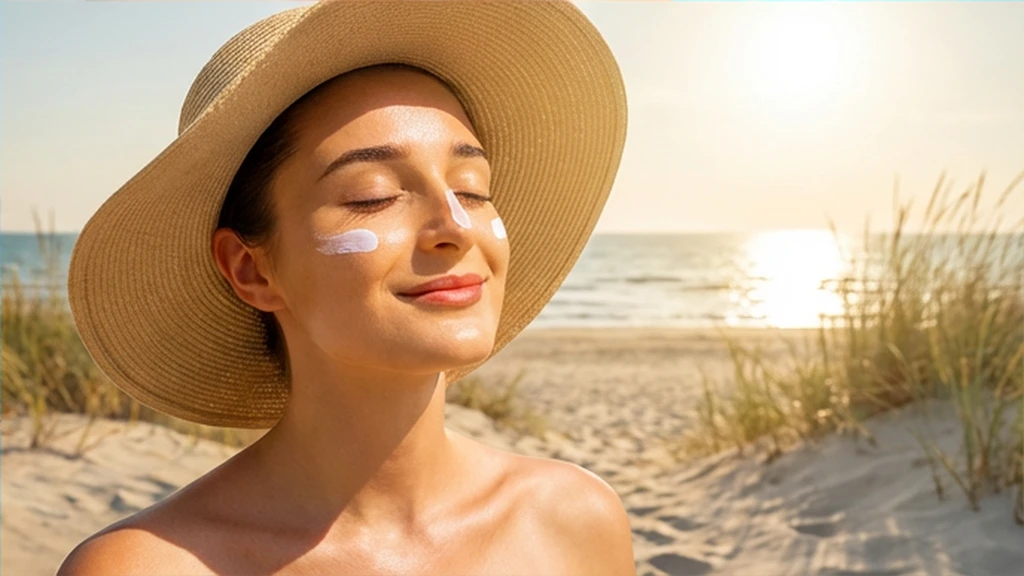
Clothing with UPF (Ultraviolet Protection Factor) ratings offers excellent protection. Dark colors and tightly woven fabrics block more UV rays than light, loose weaves. A wide-brimmed hat protects your face, ears, and neck – areas that are easy to miss with sunscreen. UV-blocking sunglasses protect the delicate skin around your eyes and prevent cataracts.
The UV Index tells you how strong the sun's rays are on any given day. When the index is 3 or higher, you need protection. UV rays are strongest between 10 AM and 4 PM, so plan indoor activities during these hours when possible. If your shadow is shorter than you are, the sun is at its strongest.
Eating foods rich in antioxidants can boost your skin's natural defenses. Tomatoes contain lycopene, which may help protect against sun damage. Leafy greens, berries, and fish provide nutrients that support skin health. Staying hydrated helps your skin repair itself and maintain its protective barrier.
The most effective approach to UV protection for skin combines multiple methods. Think of it as layering your defenses – each method adds another level of protection. This comprehensive approach ensures you're covered in all situations.
Start with broad-spectrum sunscreen as your base layer. Add protective clothing, especially for extended outdoor time. Seek shade whenever possible, particularly during peak sun hours. Wear UV-blocking sunglasses to protect your eyes and surrounding skin. Check the UV Index daily to adjust your protection level accordingly.
Water activities require water-resistant sunscreen and more frequent reapplication. Snow and sand reflect UV rays, increasing your exposure. High altitudes have stronger UV radiation – increase your SPF and reapply more often. Even on cloudy days, up to 80% of UV rays can penetrate clouds.
Even with the best protection, your skin sometimes needs extra care after sun exposure. Proper after sun care can minimize damage and help your skin recover faster. Quick action makes a big difference in how your skin heals.
Cool your skin with cold compresses or cool baths. Avoid ice, which can damage already stressed skin. Apply moisturizer while your skin is still damp to lock in hydration. Aloe vera gel provides cooling relief and has anti-inflammatory properties. Drink plenty of water to help your skin heal from the inside out.
Vitamin C serums help repair sun damage and prevent future damage. Retinoids can improve skin texture and reduce signs of aging, but start slowly and always use sunscreen when using these products. Regular skin cancer screenings become more important as you age, especially if you've had significant sun exposure.
Combine broad-spectrum SPF 30+ sunscreen with protective clothing, seek shade during peak hours, wear UV-blocking sunglasses, and reapply sunscreen every two hours. This multi-layer approach provides the best protection.
Both are essential for complete protection. SPF measures sunscreen protection against UVB rays, while UPF in clothing protects against both UVA and UVB rays. Use both together for optimal sun safety.
SPF 30 blocks 97% of UVB rays, SPF 50 blocks 98%, and SPF 70 blocks 99%. The difference is small, but SPF 50 is recommended for extended outdoor activities and fair skin types.
While sunscreen is most effective, natural methods include wearing tightly-woven clothing, wide-brimmed hats, seeking shade, timing outdoor activities, and eating antioxidant-rich foods. However, these should supplement, not replace, sunscreen.
Protecting your skin from UV damage requires a comprehensive approach that goes beyond just applying sunscreen. The most effective UV protection for skin combines multiple strategies: broad-spectrum sunscreen, protective clothing, shade-seeking, and smart timing of outdoor activities. Remember that UV damage accumulates over time, so consistency in your protection routine is crucial. Even small daily exposures add up, making everyday protection just as important as beach day preparation. By understanding how UV rays affect your skin and implementing these protection strategies, you're investing in your skin's long-term health and appearance.
