


7 Expert Tips for Perfect Sunscreen Application
Your Cart
0You May Also Like
Getting the most out of your sunscreen isn't just about slapping it on once and calling it good. The truth is, how often sunscreen should be applied can make or break your sun protection game. Most of us think we're covered after that morning application, but sunscreen breaks down throughout the day from UV exposure, sweat, and everyday activities. Whether you're planning a beach day or just running errands, understanding proper sunscreen reapplication timing is your ticket to healthy, protected skin. Let's dive into seven expert-backed tips that will transform how you think about sun protection.
Sunscreen isn't a permanent shield. Once applied, it starts working immediately, but it also starts breaking down. UV rays actually destroy the active ingredients in sunscreen, which is why sunscreen effectiveness over time decreases significantly. Think of sunscreen molecules like tiny soldiers fighting off UV rays. Each time they block a ray, some soldiers fall. After about two hours of sun exposure, you've lost a significant portion of your protection army. This breakdown happens even faster when you're sweating, swimming, or toweling off. Research shows that most people apply only 25-50% of the recommended amount of sunscreen. When you factor in natural breakdown plus inadequate initial application, your actual protection can drop to dangerously low levels within just an hour or two.
The golden standard for sunscreen frequency is reapplication every two hours. This isn't just a suggestion—it's based on extensive research showing how quickly UV filters degrade under sun exposure. But here's where it gets interesting: the two-hour clock starts ticking from the moment you step into the sun, not from when you first applied the sunscreen. If you put on sunscreen at 8 AM but don't go outside until 10 AM, your first reapplication should happen at noon.
Swimming, sweating, or toweling off accelerates the need for reapplication. Even water-resistant formulas need refreshing every 40-80 minutes during these activities. The key is being honest about your activity level and adjusting accordingly.
If you're mostly indoors with occasional outdoor exposure, you can extend the reapplication window slightly. However, don't skip it entirely—UV rays penetrate windows, and those quick trips outside add up.
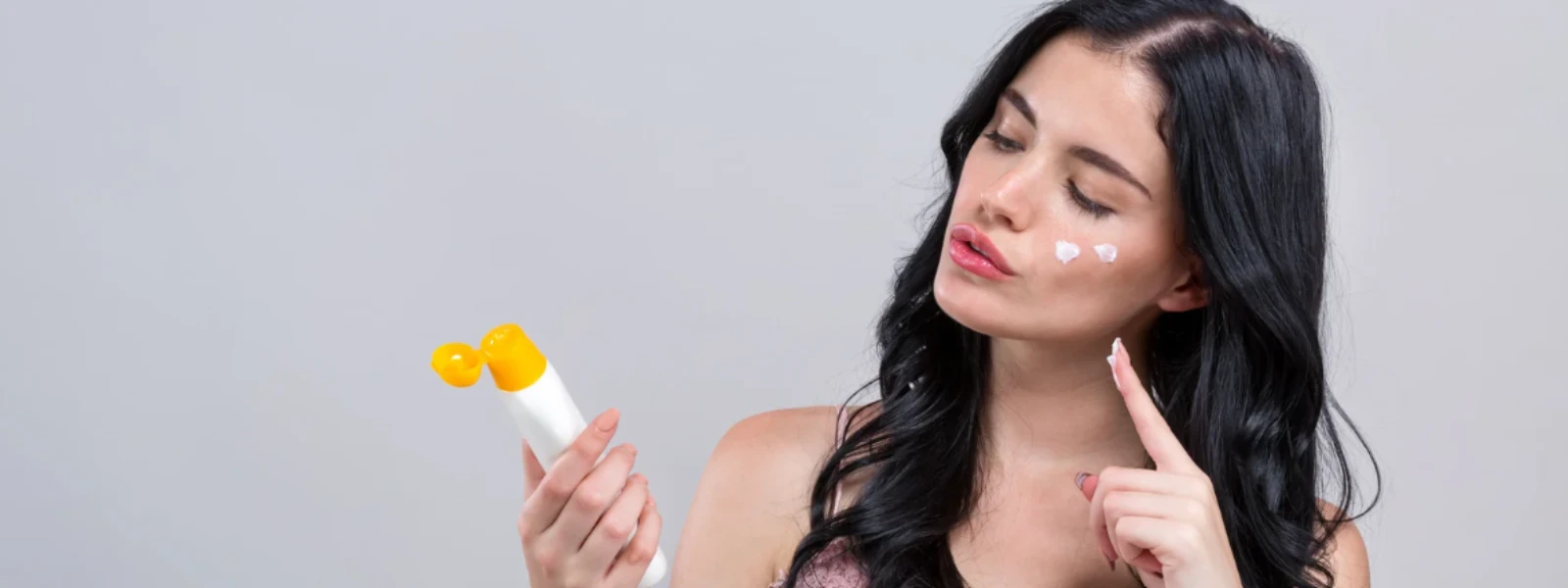
Knowing how much sunscreen to use is just as crucial as timing. The magic number is about one teaspoon for your face and neck, and roughly one ounce (two tablespoons) for your entire body. Most people use about half this amount, which dramatically reduces protection. If your SPF 30 sunscreen is applied too thinly, you might only get SPF 15 protection or less.
Apply sunscreen in thin, even layers rather than one thick glob. This ensures better coverage and absorption. Let the first layer settle for a minute, then apply a second thin layer for optimal protection.
Ears, feet, hands, and the back of your neck are commonly missed areas. These spots burn easily and need just as much attention as your face and arms.
The best time to apply sunscreen is 15-30 minutes before sun exposure. This gives the formula time to bind with your skin and create an effective barrier. Chemical sunscreens need this absorption time to work properly. Physical sunscreens (zinc oxide and titanium dioxide) work immediately, but still benefit from a few minutes to settle and spread evenly.
Make sunscreen part of your daily routine, even on cloudy days. UV rays penetrate clouds, and up to 80% can reach your skin. Apply it after your moisturizer but before makeup.
Snow, sand, and water reflect UV rays, increasing your exposure by up to 90%. On these days, consider applying sunscreen twice before heading out and shortening your reapplication intervals.
Sunscreen application guidelines change dramatically around water. Even "waterproof" sunscreen (which technically doesn't exist—only water-resistant) needs more frequent attention. Water-resistant formulas maintain their SPF for 40 or 80 minutes of swimming or sweating, as indicated on the label. But here's the catch: this timing assumes you're not toweling off or rubbing your skin.
Chlorinated pool water can break down sunscreen faster than salt water. Ocean activities often involve more vigorous movement, which also reduces sunscreen staying power. Plan for reapplication every 40 minutes during active water time.
Reapplying sunscreen over makeup doesn't have to ruin your look. Powder sunscreens, setting sprays with SPF, and makeup with built-in protection can help maintain coverage throughout the day. For touch-ups, gently blot away excess oil first, then apply powder sunscreen or SPF setting spray. Don't rub—pat and press to avoid disturbing your makeup underneath.
While makeup with SPF helps, it shouldn't be your only protection. Most people don't apply foundation thickly enough to get the stated SPF protection. Use it as backup, not your primary defense.
High altitudes, reflective surfaces, and intense UV conditions require modified sunscreen application intervals. At higher elevations, UV exposure increases by about 4% for every 1,000 feet. Snow reflects up to 90% of UV rays, sand reflects about 15%, and water reflects 10%. These conditions can essentially double your UV exposure, making more frequent reapplication essential.
Summer sun is obviously more intense, but don't underestimate winter UV exposure, especially with snow on the ground. Spring sun can be deceptively strong as the UV index climbs while temperatures remain cool.
Understanding the importance of reapplying sunscreen means recognizing the signs that your protection is wearing off. Slight redness, feeling heat on your skin, or noticing areas that look shinier (from sweat or oil) are all signals to reapply immediately. Don't wait for the scheduled reapplication time if you notice these warning signs. Your skin is telling you it needs help now.
Some sunscreens simply don't last as long as others. Lighter formulas may feel more comfortable but often require more frequent reapplication. Thicker, more water-resistant formulas typically offer longer-lasting protection but might feel heavier on the skin.
Even indoors, reapply every 4-6 hours if you're near windows or taking occasional trips outside. UV rays penetrate glass, and those brief outdoor moments add up throughout the day.
No. SPF indicates the level of protection, not the duration. SPF 50 and SPF 30 both need reapplication every two hours. Higher SPF gives you more protection during that time, but doesn't extend the timeframe.
Yes, especially if you realize you didn't apply enough initially. Wait about 15 minutes between applications to let each layer settle properly.
Apply immediately and consider seeking shade for a while. Your skin has been vulnerable, so give it extra protection moving forward. Don't skip the next scheduled reapplication.
Tight-fitting or wet clothing can allow UV rays through. If your clothes are damp from sweat or water, or if the fabric is thin, reapplication under clothing is smart.
Check the expiration date, but also look for changes in texture, smell, or separation. Expired sunscreen loses effectiveness and won't provide reliable protection.
Perfect sunscreen application isn't complicated, but it does require consistency and attention to detail. The two-hour reapplication rule forms your foundation, but adjust based on your activities, environment, and skin's response. Remember that adequate initial application sets you up for success, but only consistent reapplication maintains that protection throughout the day. Your future self will thank you for taking these extra steps to maintain healthy, protected skin year-round.
