


7 Essential Tips for Choosing Sunscreen Types
Your Cart
0You May Also Like
Choosing the right sunscreen can feel overwhelming with countless options lining store shelves. Yet this decision directly impacts your skin's health, appearance, and protection against harmful UV rays. The wrong sunscreen choice might leave you with breakouts, irritation, or inadequate protection. Understanding different sunscreen types and matching them to your specific needs ensures optimal sun protection while maintaining healthy, radiant skin. This comprehensive sunscreen guide covers seven essential tips that simplify the selection process, helping you navigate through chemical formulas, mineral options, and everything in between.
Sunscreen technology has evolved significantly, offering various formulations to meet diverse skin needs. The two main categories—chemical and mineral sunscreens—work differently to protect your skin from UV damage.
Chemical sunscreens absorb UV rays and convert them into heat energy. Common sunscreen ingredients include avobenzone, octinoxate, and oxybenzone. These formulas blend seamlessly into skin without leaving white residue. They work best for normal to dry skin types and provide excellent coverage for daily wear.
Mineral sunscreens create a physical barrier using zinc oxide or titanium dioxide. These ingredients sit on skin's surface, reflecting UV rays away from your face and body. Mineral sunscreen options suit sensitive and acne-prone skin perfectly. Dermatologists often recommend these formulas for their gentle, non-irritating properties.
Hybrid sunscreens combine chemical and mineral ingredients, offering broad-spectrum protection with improved cosmetic feel. These formulations balance effectiveness with wearability, making them excellent choices for those seeking the benefits of both types of sunscreen.
Your skin type determines which sunscreen formulation will work best for daily protection. Different textures and ingredients cater to specific skin concerns and needs.
Gel-based and water-based formulas work wonderfully for oily skin. Look for non-comedogenic, oil-free options that won't clog pores or create shine. These lightweight textures absorb quickly without leaving greasy residue. Apply using the three-finger rule: squeeze sunscreen along three fingers for adequate face coverage.
Cream-based formulas with moisturizing ingredients benefit dry skin types. These richer textures provide hydration while delivering essential sun protection. Ingredients like hyaluronic acid or ceramides offer additional skin benefits beyond UV protection.
Fragrance-free and hypoallergenic options minimize irritation risk for sensitive skin. Sunscreen for face formulations often feature gentler ingredients specifically designed for delicate facial skin.
Understanding protection ratings helps you select appropriate coverage levels for your lifestyle and sun exposure needs. SPF numbers and additional ratings provide valuable protection information.
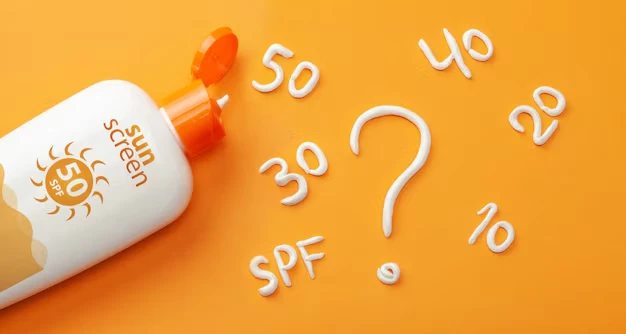
SPF 30 blocks approximately 97% of UVB rays, while SPF 50 blocks about 98%. For daily wear and moderate sun exposure, SPF 30 provides adequate protection. Extended outdoor activities require SPF 50 or higher. SPF 100+ products don't offer significantly better protection than SPF 50.
PA ratings indicate UVA protection levels, ranging from PA+ to PA++++. Higher PA ratings offer better protection against skin aging and pigmentation. Asian sunscreen standards often feature PA ratings alongside SPF numbers.
Broad spectrum protection guards against both UVA and UVB rays. This comprehensive coverage prevents sunburn, premature aging, and skin cancer risk. Always choose broad spectrum formulas for complete sun protection.
Proper application techniques and understanding different skin areas ensure maximum protection effectiveness. Face and body skin have different requirements and sensitivities.
Sunscreen for face formulations feature lighter textures and gentler ingredients suitable for delicate facial skin. Sunscreen for body products often provide broader coverage and water resistance for outdoor activities. Facial sunscreens integrate better under makeup and daily skincare routines.
Hot, humid climates require lightweight, sweat-resistant formulas that won't feel heavy or sticky. Higher melanin content doesn't eliminate the need for sun protection, though it may allow for different SPF requirements based on individual skin sensitivity.
Application timing and activity levels influence sunscreen effectiveness and reapplication needs. Different situations call for specific formulation features.
Apply sunscreen 15-30 minutes before sun exposure for optimal absorption and protection. Use generous amounts—most people apply only 25% of the recommended quantity. Reapply every two hours or immediately after swimming or sweating.
Water-resistant formulas maintain protection during swimming or intense physical activity. Sport sunscreens offer enhanced staying power for active lifestyles. Daily wear options prioritize cosmetic elegance and skin compatibility over extreme durability.
Dermatologist insights and awareness of common selection errors help optimize your sunscreen choice. Professional guidance ensures you avoid problematic ingredients and application mistakes.
Dermatologists recommend broad spectrum protection, appropriate SPF levels, and gentle ingredients for daily use. They emphasize consistent application over occasional use of higher SPF products. Quality formulations from reputable brands typically offer better protection and skin compatibility.
Insufficient application amounts reduce protection effectiveness significantly. Choosing wrong SPF levels for your activity level leaves skin vulnerable. Ignoring expiration dates compromises ingredient stability and protection. Skipping reapplication during extended sun exposure creates protection gaps.
For daily use, choose SPF 30 broad spectrum protection with a texture that suits your skin type. Chemical sunscreen works well for normal skin, while mineral sunscreen benefits sensitive skin types.
Assess your skin type, daily activities, and sun exposure levels. Oily skin benefits from gel formulas, while dry skin needs cream-based options. Consider water resistance for active lifestyles and gentle formulations for sensitive skin.
The 3-finger rule involves squeezing sunscreen along the length of three fingers for adequate facial coverage. This ensures you apply approximately 1/4 teaspoon, the recommended amount for face and neck protection.
Mineral sunscreen typically works better for acne-prone skin because zinc oxide and titanium dioxide are less likely to clog pores. Look for non-comedogenic formulas regardless of sunscreen type.
Choosing sunscreen types becomes straightforward when you understand your skin's specific needs and protection requirements. Match formulation to your skin type, select appropriate SPF levels, and apply generously for optimal results. Remember that the best sunscreen is one you'll use consistently every day. Consider professional guidance for persistent skin concerns or specific dermatological conditions. Quality sun protection forms the foundation of healthy, protected skin that maintains its natural radiance for years to come.
