


How to Treat Dry Skin on Face Naturally: Simple Home Remedies
Your Cart
0You May Also Like
Dry facial skin affects millions of people, especially during harsh weather or after using the wrong products. While commercial moisturizers promise quick fixes, natural remedies often work just as well without the risk of irritation or chemical buildup. The key is understanding which ingredients actually hydrate your skin and how to use them properly. From honey's humectant properties to coconut oil's barrier-repairing fatty acids, nature provides powerful solutions that have been used for centuries. These gentle alternatives work particularly well for sensitive skin that reacts poorly to synthetic ingredients, making them a smart choice for anyone looking to treat dryness without compromising their skin's health.
Honey, aloe vera, and coconut oil are the most effective natural ingredients for treating dry facial skin, each working through different mechanisms to restore moisture.
DIY face masks using oatmeal, avocado, and milk provide deep hydration while soothing irritation and inflammation.
A gentle skincare routine combined with lifestyle changes like proper hydration and humidity control enhances the effectiveness of natural treatments.
Dry skin happens when your skin barrier loses its ability to hold onto moisture effectively. This can be due to environmental factors like cold weather and low humidity, or from using harsh cleansers that strip away natural oils. Age also plays a role, as our skin produces less sebum over time, making it harder to maintain hydration naturally.
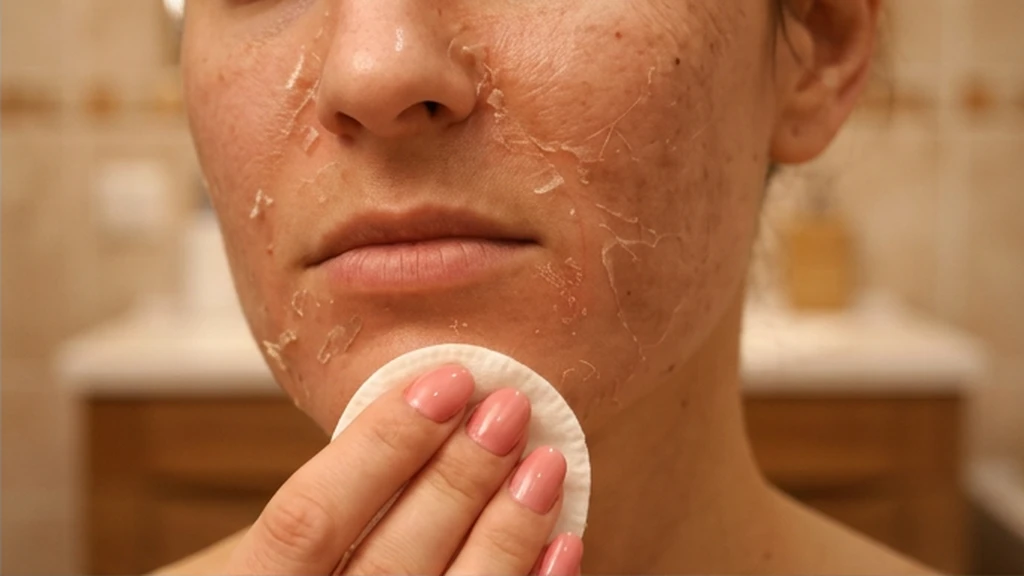
Flaky patches are usually the first sign, often appearing around the nose, cheeks, or forehead. Your skin might feel tight after washing, especially if you notice that sensation lasting more than a few minutes. Itching and irritation often follow, particularly in areas where the skin is thinnest. Fine lines may also appear more prominent when your skin lacks moisture, as hydrated skin plumps up and smooths out naturally.
Air conditioning and heating systems remove moisture from the air, which directly affects your skin's hydration levels. Over-cleansing, especially with products containing sulfates or alcohol, disrupts your skin's natural protective barrier. Even hot showers, while relaxing, can worsen dryness by removing essential oils from your skin's surface.
The most effective natural treatments work by either drawing moisture into your skin or creating a protective barrier to prevent water loss. These ingredients have been studied extensively and show real results when used consistently.
Raw honey pulls moisture from the air and locks it into your skin, making it one of the most effective natural hydrators available. Apply a thin layer to clean skin and leave it on for 10-15 minutes before rinsing with lukewarm water. The enzymes in honey also provide gentle exfoliation, removing dead skin cells that can make dryness look worse.
Virgin coconut oil contains fatty acids that match those naturally found in healthy skin barriers. This makes it particularly effective for repairing damaged or compromised skin. Use it sparingly on very dry areas, especially before bed, as it can feel heavy during the day. The lauric acid in coconut oil also has antimicrobial properties, which helps prevent irritation.
Pure aloe vera gel provides immediate relief for dry, irritated skin without feeling heavy or greasy. It contains polysaccharides that help skin retain moisture, plus anti-inflammatory compounds that calm redness and irritation. Look for 99% pure aloe vera gel, or better yet, use fresh gel directly from the plant if you have access to it.
Ground oatmeal contains compounds called avenanthramides that reduce inflammation and itching. Mix finely ground oats with milk or water to create a paste, apply for 15 minutes, then rinse gently. This treatment works particularly well for skin that's both dry and irritated, as it soothes while providing moisture.
Making your own moisturizing treatments allows you to control exactly what goes on your skin while saving money. These recipes use ingredients you likely already have at home and can be customized based on your skin's specific needs.
Mix two tablespoons of raw honey with one teaspoon of glycerin for an intensive moisture treatment. Glycerin is another humectant that works alongside honey to draw moisture into your skin. Apply this mixture to clean skin, leave for 20 minutes, then rinse with cool water. Use this mask twice weekly for best results.
Mash half a ripe avocado with two tablespoons of finely ground oatmeal and one tablespoon of honey. Avocado provides healthy fats that nourish dry skin, while oatmeal gently exfoliates and soothes. This combination works well for very dry or mature skin that needs both hydration and gentle renewal.
Combine equal parts whole milk and honey for a simple overnight treatment. The lactic acid in milk provides gentle exfoliation while the proteins and fats nourish your skin. Apply a thin layer before bed and rinse off in the morning. This treatment is gentle enough for daily use if your skin is extremely dry.
Understanding why certain natural ingredients work helps you choose the right treatments for your specific skin concerns. These ingredients have been studied and proven effective for treating various aspects of dry skin.
Chamomile contains anti-inflammatory compounds that reduce redness and irritation while providing gentle moisture. Brew strong chamomile tea, let it cool, and use it as a toner or compress. Calendula has healing properties that help repair damaged skin barriers, making it excellent for chronically dry areas. Rose water balances your skin's pH while providing light hydration and a soothing effect.
Plain yogurt contains lactic acid, which gently removes dead skin cells while the proteins and fats provide nourishment. Cucumber has high water content plus cooling properties that immediately soothe dry, irritated skin. Green tea, when cooled and applied topically, provides antioxidants that help repair environmental damage while adding moisture.
Jojoba oil technically isn't an oil but a wax ester that closely mimics your skin's natural sebum. This makes it ideal for all skin types, including oily skin that's dehydrated. Argan oil contains vitamin E and essential fatty acids that repair and protect dry skin. Rosehip oil has regenerative properties that help heal damaged skin while providing deep moisture.
The right routine can make natural treatments more effective while preventing further dryness. The key is being gentle and consistent rather than trying to fix everything at once.
Start with a gentle, cream-based cleanser that won't strip your skin's natural oils. Apply your moisturizer while your skin is still slightly damp to lock in extra hydration. Always finish with sunscreen, as UV damage can worsen dryness and make your skin more sensitive to environmental factors.
Remove makeup and sunscreen with a gentle oil cleanser, then follow with your regular cleanser if needed. This is when you can apply your natural treatments like honey masks or facial oils. Consider using a humidifier in your bedroom to add moisture to the air while you sleep.
Gentle exfoliation once or twice a week helps remove dead skin cells that can prevent moisturizers from penetrating effectively. Use natural exfoliants like oatmeal or sugar mixed with honey rather than harsh scrubs. Follow up immediately with a nourishing mask or oil treatment to replenish moisture.
Most people notice immediate relief from dryness and tightness after the first application of natural moisturizers like honey or aloe vera. However, significant improvement in skin texture and barrier function typically takes 1-2 weeks of consistent use.
Yes, many natural ingredients work well together. For example, you can mix honey with aloe vera or add a few drops of jojoba oil to your oatmeal mask. Start with one new ingredient at a time to make sure your skin tolerates it well.
Generally yes, but everyone's skin is different. Patch test any new ingredient on a small area first. Honey, aloe vera, and oatmeal are among the gentlest options for sensitive skin.
Natural ingredients like honey and coconut oil can be just as effective as commercial products for basic hydration. However, if you're dealing with specific skin concerns like pigmentation or acne marks alongside dryness, targeted treatments like those from Asaya might be more effective for addressing multiple issues at once.
Natural remedies offer a gentle, effective approach to treating dry facial skin without the risk of irritation from harsh chemicals. The key is consistency and patience, as natural ingredients work gradually to restore your skin's moisture balance. While these treatments excel at basic hydration and soothing, some skin concerns require more targeted approaches. For instance, if dryness is accompanied by dark spots or uneven tone, advanced formulations like MelaMe™ Complex can address multiple concerns simultaneously. This melanin-first molecule has been designed to visibly treat discolouration and restore pigment balance in your skin within 2 weeks of regular use–tested and proven. It works on existing dark spots by breaking excess melanin deposits down into re-absorbable amino acids, while also providing the hydration that healthy skin needs to function optimally.
