


How to Apply Skincare Cream for Maximum Hydration
Your Cart
0You May Also Like
Getting the most out of your skincare cream isn't just about choosing the right product. It's about how you apply it. Many people think they can just slap on some face moisturizer and call it a day. But proper application makes all the difference between dry, dull skin and that healthy glow we all want. The way you massage your cream into your skin affects how well it absorbs. The timing matters too. Even the amount you use can make or break your skin hydration goals. Let's dive into the techniques that will transform your daily routine and give you the radiant skin you deserve.
Not all moisturizers are created equal. Skincare cream has a thicker consistency than lotions, which means it packs more hydrating power. This density helps create a protective barrier on your skin that locks in moisture for hours. The rich texture makes it perfect for skin nourishment, especially if you have dry or mature skin.
The main difference lies in the water-to-oil ratio. Creams contain less water and more oils than lotions. This makes them heavier but also more effective at preventing water loss from your skin. Face moisturizer in cream form typically includes ingredients like ceramides, hyaluronic acid, and peptides that work together to repair and protect your skin barrier.
Your skin has different needs throughout the day and as you age. Daily skincare creams are lighter and often include SPF protection. Night cream formulas are richer and focus on skin repair while you sleep. Anti-aging cream products contain retinoids or peptides that boost collagen production. For those dealing with breakouts, blemish treatment creams combine hydration with acne-fighting ingredients. If you have reactive skin, sensitive skin cream options use gentle, fragrance-free formulas.
Your skin is constantly losing water through a process called transepidermal water loss. A good skincare cream works by creating a seal that slows this process down. But timing is everything. Your skin is most receptive to hydration right after cleansing when your pores are clean and slightly damp.
Your skin barrier is made up of cells held together by lipids. When this barrier is healthy, it keeps moisture in and irritants out. Dermatologist recommended cream formulas are designed to strengthen this barrier. They contain ingredients that mimic your skin's natural lipids, making absorption more effective.
Several things can impact how well your face moisturizer works. Oily skin might need lighter formulas, while dry skin craves richer textures. Environmental factors like humidity and temperature also play a role. As we age, our skin produces less natural oil, so we often need heavier creams for proper skin nourishment.
The secret to maximum hydration lies in your technique. Most people rush through this step, but taking your time makes a huge difference. Start with clean hands and a freshly cleansed face. Your skin should be slightly damp but not dripping wet.
Always cleanse your face first to remove dirt, oil, and makeup. Pat your skin dry with a clean towel, leaving it slightly damp. This moisture helps your skincare cream spread more easily and absorb better. Make sure your hands are clean to avoid transferring bacteria to your face.
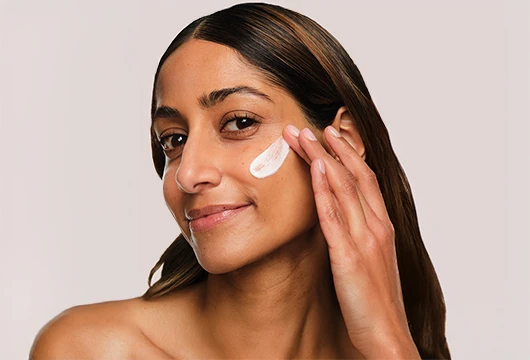
Use about a quarter-sized amount of face moisturizer for your entire face and neck. Dot the cream on your forehead, cheeks, nose, and chin. Use your ring finger to gently pat the cream around your eye area since this finger applies the least pressure. For the rest of your face, use upward circular motions. Start from the center of your face and work outward. Don't forget your neck and the area behind your ears.
Apply your morning skincare cream within three minutes of cleansing for best results. This is when your skin is most receptive to hydration. Your night cream should go on as the last step in your evening routine. Wait about five minutes between applying serums and your moisturizer to let each product absorb properly.
Different skin concerns require different approaches. The basic application method works for most people, but you can customize your technique based on your specific needs. Whether you're fighting signs of aging or dealing with sensitive skin, small adjustments can make a big difference.
When using anti-aging cream, always massage upward and outward. This helps counteract gravity's effects on your skin. Use gentle pressure and take your time. Focus extra attention on areas where you notice fine lines or wrinkles. The massage action also boosts circulation, which helps with skin repair.
If you're using blemish treatment products, apply them before your regular moisturizer. Use a thin layer and avoid over-applying, which can cause irritation. Some acne treatments can be drying, so following up with a gentle face moisturizer helps maintain your skin's balance.
For sensitive skin cream application, gentle patting motions work better than rubbing. Avoid pulling or stretching your skin. Let the cream warm up between your palms before applying. This makes it easier to spread and reduces the risk of irritation.
Dermatologists have learned through years of practice what really works for skin hydration. These professional tips can help you get better results from your skincare cream routine. Small changes in how you apply your products can lead to dramatic improvements in your skin's appearance and health.
Apply your face moisturizer within three minutes of cleansing. This timing takes advantage of your skin's increased permeability after washing. Your skin will feel soft and plump when properly hydrated. If it still feels tight or looks flaky, you might need a richer formula or better application technique.
Layer your products from thinnest to thickest consistency. Apply serums first, then your skincare cream. This ensures each product can penetrate properly. Some ingredients work better together, while others can cancel each other out. Dermatologist recommended cream products often come with specific layering instructions.
A quarter-sized amount is usually enough for your entire face and neck. Using too much can clog pores, while too little won't provide adequate hydration. Adjust the amount based on your skin's needs and the cream's thickness.
While you can use the same face moisturizer twice daily, night cream formulas are typically richer and designed for overnight skin repair. Morning creams are often lighter and may include sun protection.
Wait about 30 seconds to 2 minutes between products. This gives each layer time to absorb without interfering with the next product. Your skin should feel slightly tacky but not wet before applying the next layer.
Face creams are formulated for the delicate skin on your face and are usually lighter and less likely to clog pores. Body creams are thicker and designed for the tougher skin on your body.
Proper skincare cream application is a skill that improves with practice. The key is consistency and patience. Start with clean, slightly damp skin and use gentle, upward motions. Choose the right formula for your skin type and concerns. Remember that skin hydration is a marathon, not a sprint. With the right technique and quality products, you'll see improvements in your skin's texture, appearance, and overall health. Your daily skincare routine should feel like a moment of self-care, not a chore. Take your time and enjoy the process of nurturing your skin.
