


How to Apply Lip Pigmentation Cream: A Guide
Your Cart
0You May Also Like
Getting even, beautiful lips starts with understanding how to properly use a lip pigmentation cream. Many people struggle with dark lips or uneven tone, but the right approach can make all the difference. Whether you're dealing with sun damage, natural pigmentation, or other causes of discoloration, following the correct application steps ensures you get the best results from your dark lips remedy. This guide walks you through everything you need to know about using these specialized treatments safely and effectively.
Lip discoloration happens for many reasons, and knowing the cause helps you choose the right treatment approach. Sun exposure, smoking, hormonal changes, and genetics all play a role in creating uneven lip tone.
Sun damage is one of the biggest culprits behind lip pigmentation. Your lips have thin skin with less natural protection than other areas of your face. Years of UV exposure can create dark spots and overall darkening. Smoking also causes significant discoloration by reducing blood flow and introducing toxins that affect lip color.
A quality hyperpigmentation lip balm contains active ingredients that target melanin production. These formulas work by gently inhibiting the enzymes that create excess pigment. The process takes time, but consistent use can lead to noticeable improvements in lip tone and brightness.
Not all lip treatments are created equal. The best products combine effective active ingredients with gentle, lip-safe formulations that won't cause irritation or dryness.
Kojic acid is a popular choice for lip pigmentation removal because it's both effective and relatively gentle. This ingredient comes from fermented rice and works by blocking tyrosinase, an enzyme involved in melanin production. Vitamin C is another powerhouse ingredient that brightens while providing antioxidant protection. Alpha arbutin offers a gentler approach to pigmentation correction. This ingredient is derived from bearberry plants and provides gradual lightening without the harsh effects some people experience with stronger treatments.
A natural lip lightener might appeal to those with sensitive skin, but clinical formulations often provide faster, more dramatic results. Natural options like licorice root extract and mulberry extract work slowly but safely. Clinical treatments with higher concentrations of active ingredients require more careful application but can address stubborn pigmentation more effectively.
Proper application technique makes the difference between seeing results and wasting your time. Following these steps ensures your lip brightening serum works as intended while minimizing the risk of irritation.
Start with clean, dry lips. Gently remove any lip products with a soft cloth or makeup remover. If your lips are flaky or rough, use a gentle lip scrub or soft toothbrush to remove dead skin. This step helps the treatment penetrate better and work more effectively.
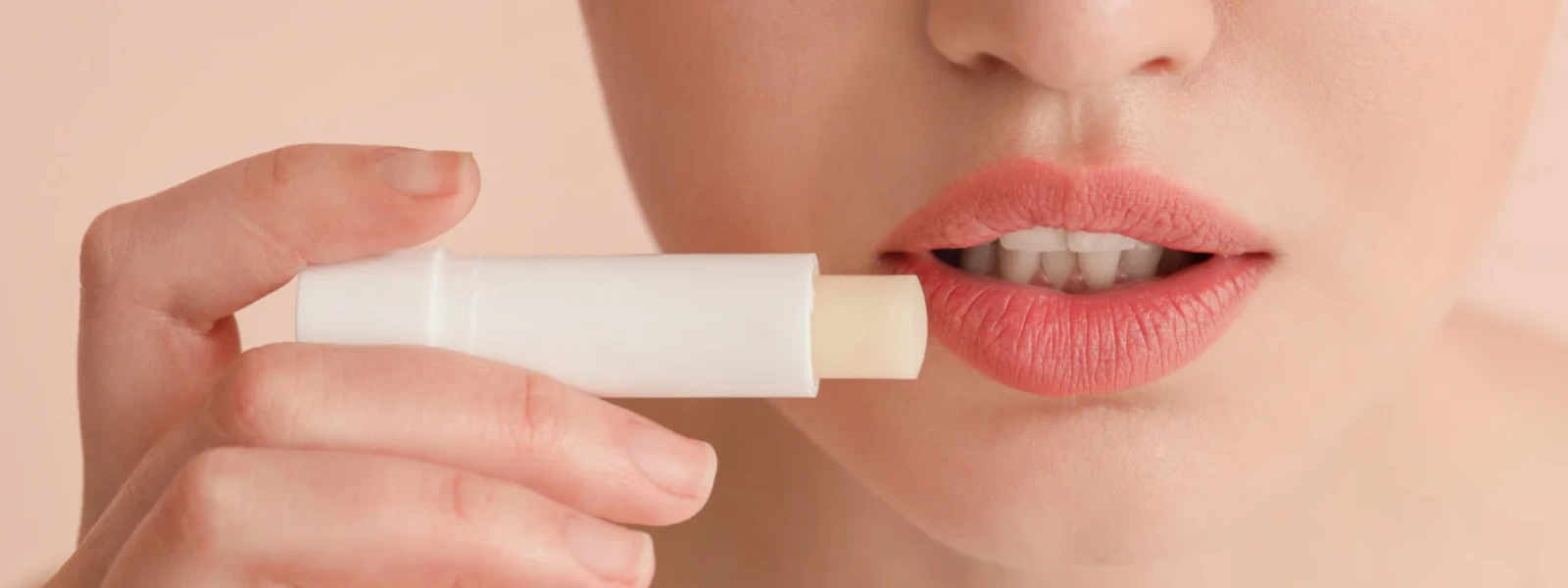
Apply a thin, even layer of your chosen lip discoloration cream to the entire lip area. Use gentle patting motions rather than rubbing, which can cause irritation. Pay special attention to areas with the most discoloration, but don't skip lighter areas entirely. Consistent coverage ensures even results. Start with once-daily application, preferably at night when your lips can rest and recover. Some people can tolerate twice-daily use, but it's better to start slowly and increase frequency if your skin handles it well.
After applying your treatment, avoid eating or drinking for at least 30 minutes to let the product absorb fully. During the day, always follow up with SPF protection. Sun exposure can worsen pigmentation and undo your progress, so this step is crucial for success.
Consistency is key when using any uneven lip tone correction product. Building a routine and sticking to it gives you the best chance of seeing significant improvement in your lip color.
Morning applications should always be followed by SPF protection. Look for a lip balm with at least SPF 30 to shield your lips from further damage. Evening applications can be more intensive since you don't need to worry about sun exposure or eating and drinking. Weekly gentle exfoliation helps remove dead skin cells and allows better product penetration. Use a soft lip scrub or make your own with sugar and honey for a natural option.
Using too much product is a common error that can lead to irritation without better results. A thin layer is all you need for effective treatment. Skipping days or inconsistent use will slow your progress significantly. Set reminders if needed to maintain your routine. Mixing multiple active ingredients without understanding how they interact can cause problems. Stick to one best lip treatment at a time unless specifically advised otherwise by a skincare professional.
Realistic expectations help you stay motivated during the treatment process. Lip pigmentation doesn't disappear overnight, but with patience, you can achieve noticeable improvements.
The first few weeks focus on improving overall lip health and hydration. You might notice your lips feel softer and look more moisturized before you see color changes. Visible lightening typically begins around week 4-6 with consistent use. Significant pigmentation reduction usually takes 2-3 months of regular application. Some people see results faster, while others need longer, depending on the severity of their pigmentation and their skin's response to treatment.
Take photos in natural light to track your progress objectively. It's easy to forget how your lips looked at the start of treatment, and photos help you see gradual changes that might not be obvious day-to-day. Watch for signs of irritation like excessive dryness, burning, or increased sensitivity. These symptoms mean you should reduce application frequency or switch to a gentler formula.
Most people notice initial improvements in lip texture and hydration within 2-3 weeks. Visible lightening of pigmentation typically begins around 4-6 weeks with consistent daily use. Significant results usually require 2-3 months of regular application.
Yes, but introduce products gradually to avoid irritation. Always apply the treatment cream first, let it absorb completely, then follow with other products like moisturizing lip balm or SPF. Avoid using multiple active treatments simultaneously without professional guidance.
Many lip lightening ingredients are considered safe during pregnancy, but it's always best to consult your healthcare provider before starting any new skincare treatment. Natural ingredients like vitamin C are generally well-tolerated, while others may require medical approval.
Reduce application frequency to every other day or every few days until irritation subsides. Apply a gentle, fragrance-free lip balm to soothe the area. If irritation persists or worsens, discontinue use and consider consulting a dermatologist for alternative options.
Successful lip pigmentation treatment requires patience, consistency, and proper technique. Choose a quality product with proven ingredients, follow the application steps carefully, and protect your lips from sun damage throughout the process. Remember that results take time, but with dedication, you can achieve the even, beautiful lip tone you're looking for. If you experience persistent irritation or don't see results after several months of consistent use, consider consulting a skincare professional for personalized guidance and alternative treatment options.
