


Dry Skin SOS: Ultimate Face Cream Guide Revealed
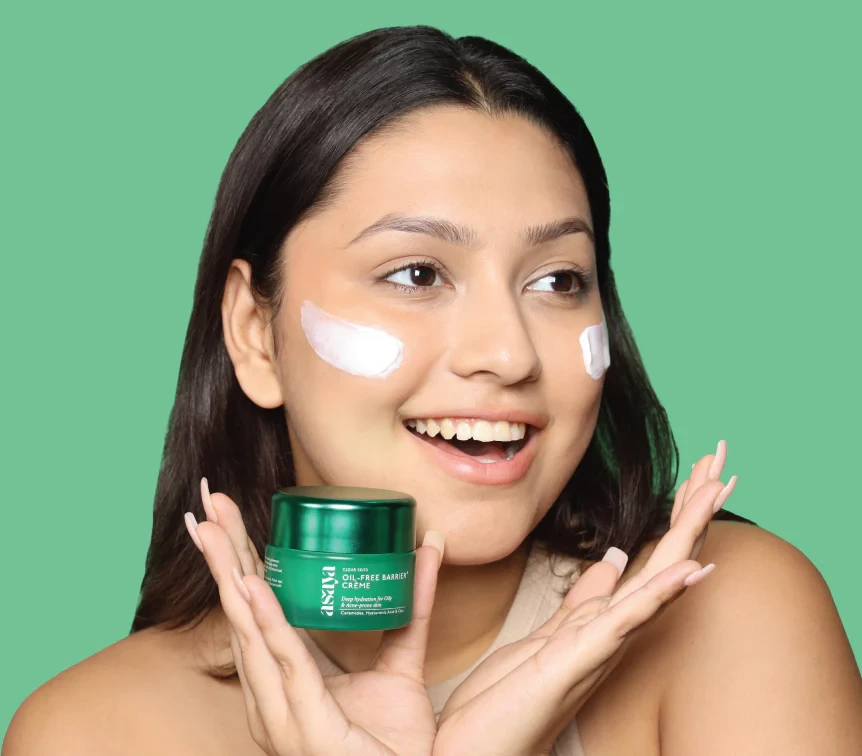
Dry skin can feel like a constant battle, especially when your face bears the brunt of harsh weather, indoor heating, and daily stress. If you've been searching for the best face cream for dry skin, you're not alone. Millions of people struggle with tight, flaky, or uncomfortable facial skin that seems impossible to satisfy. The good news? With the right knowledge and products, you can transform your skin from parched to perfectly hydrated. This comprehensive guide will walk you through everything you need to know about choosing and using the most effective face moisturizer for dry skin, so you can finally achieve the smooth, comfortable complexion you deserve.
Dry facial skin isn't just about feeling tight after washing your face. It's a complex condition that affects your skin's ability to retain moisture and protect itself from environmental damage. When your skin barrier becomes compromised, it loses water faster than it can replenish it, leading to that uncomfortable, sometimes painful sensation. Your face is particularly vulnerable because facial skin is thinner and more delicate than skin on other parts of your body. It's also constantly exposed to elements like wind, sun, and pollution. This makes finding the right dry skin cream essential for maintaining healthy, comfortable skin.
Recognizing the early signs of dry skin can help you address the problem before it becomes severe. Look for tightness, especially after cleansing, visible flaking or peeling, rough texture when you touch your skin, and fine lines that seem more pronounced than usual. Seasonal changes often trigger or worsen facial dryness. Winter's low humidity and indoor heating can strip moisture from your skin, while summer's air conditioning and sun exposure can also contribute to dehydration.
Your skin's natural barrier consists of lipids and proteins that work together to lock in moisture. When this barrier becomes damaged or weakened, water escapes more easily, leading to dryness. Environmental factors, harsh skincare products, and even genetics can all play a role in compromising your skin's protective barrier. Age also affects your skin's ability to produce natural oils and retain moisture, which is why many people notice increased dryness as they get older.
Not all moisturizers are created equal, especially when it comes to treating dry skin. The most effective hydrating face cream formulas contain specific ingredients that work together to restore moisture and repair your skin barrier. Understanding these key components will help you make informed decisions about which products to try. The best ingredients for dry skin fall into three main categories: humectants that draw moisture to the skin, emollients that smooth and soften, and occlusives that seal in hydration.
Hyaluronic acid is a moisture magnet that can hold up to 1,000 times its weight in water. This ingredient draws moisture from the environment and deeper layers of skin to the surface, providing immediate and long-lasting hydration. Ceramides are naturally occurring lipids that help restore and maintain your skin barrier. When your skin lacks ceramides, it becomes more prone to dryness and irritation. Glycerin is a gentle humectant that attracts moisture to the skin without causing irritation, making it suitable for even sensitive skin types.
For those with very dry skin, incorporating nourishing oils and butters can provide extra moisture and protection. Jojoba oil closely mimics your skin's natural sebum, while argan oil provides antioxidants along with hydration. Shea butter offers rich, long-lasting moisture that's particularly beneficial for overnight repair. The key is finding the right balance between these ingredients to create a facial cream for dry skin that provides adequate moisture without feeling heavy or greasy.
Selecting the right moisturizer involves more than just picking the most expensive option or following the latest trend. Your skin's specific needs, lifestyle, and preferences all play important roles in determining which cream for very dry skin will work best for you. Start by honestly assessing your skin type and the severity of your dryness. Mild dryness might respond well to a lightweight lotion, while very dry skin typically requires a richer cream formula.
Normal-to-dry skin usually feels comfortable most of the time but becomes tight after cleansing or in certain weather conditions. This skin type typically responds well to medium-weight moisturizers with balanced hydrating ingredients. Very dry skin feels tight, rough, or uncomfortable throughout the day and may show visible flaking or scaling. This skin type needs intense moisturizer for dry face formulas with rich, occlusive ingredients.
Creams are generally thicker and more occlusive than lotions, making them better for dry skin. However, if you prefer a lighter feel or have combination skin, you might opt for a hydrating lotion or gel-cream hybrid. Day and night formulations serve different purposes. Daytime moisturizers often include SPF and lighter textures that work well under makeup, while night creams focus on intensive repair and hydration.
Using the right skin hydration cream is just one part of an effective routine for dry skin. How you cleanse, when you apply products, and what other steps you include all impact your skin's moisture levels and overall health. Consistency is key when it comes to managing dry skin. Your skin needs time to repair and rebuild its barrier, which happens gradually with regular care.
Start your day with a gentle, non-stripping cleanser that removes overnight buildup without compromising your skin barrier. Follow with a hydrating toner or essence if desired, then apply your chosen dry skin face care moisturizer while your skin is still slightly damp. Always finish with broad-spectrum SPF, as sun protection prevents further moisture loss and protects against premature aging.
Evening routines can be more intensive since you don't need to worry about makeup application or sun protection. Consider using a richer night cream or adding a hydrating serum before your moisturizer for extra moisture. This is also the perfect time to incorporate treatments like hydrating masks or facial oils that can boost your moisturizing cream for dry skin effectiveness.
Achieving and maintaining well-hydrated skin goes beyond just applying the right products. Your overall lifestyle, environment, and daily habits all contribute to your skin's moisture levels and health. Remember that skin improvement takes time. While you might notice some immediate relief from a good moisturizer, significant improvements in skin texture and comfort typically take several weeks of consistent use.
Drinking adequate water supports overall skin health, though topical hydration remains more important for addressing surface dryness. A diet rich in healthy fats and antioxidants can also support skin barrier function from within. Protecting your skin from harsh environmental conditions, using a humidifier in dry climates, and avoiding overly hot showers all help preserve your skin's natural moisture.
Over-cleansing or using harsh products can strip your skin of natural oils, making dryness worse. Similarly, skipping moisturizer on areas that feel oily can actually trigger increased oil production and worsen overall skin balance. Inconsistent application timing and improper product layering can also reduce the effectiveness of your skincare routine.
The best face creams for dry skin contain a combination of humectants like hyaluronic acid, emollients like ceramides, and occlusives like petrolatum or dimethicone. These ingredients work together to attract, retain, and seal in moisture while repairing the skin barrier.
Most people with dry skin benefit from applying moisturizer twice daily - once in the morning and once at night. However, if your skin is very dry, you may need to reapply during the day or use different formulations for morning and evening.
It's not recommended to use body lotion on your face, even if you have dry skin. Facial skin is more delicate and sensitive than body skin, and face-specific formulations are designed to be non-comedogenic and appropriate for the thinner facial skin.
You should notice immediate relief from tightness and discomfort, but significant improvements in skin texture and overall hydration typically take 2-4 weeks of consistent use. Give new products at least a month before deciding if they're working for you.
Many people benefit from adjusting their moisturizer based on seasonal changes. You might need a richer cream in winter when humidity is low and a lighter formula in summer when humidity is higher. Pay attention to how your skin feels and adjust accordingly.
Dry skin is a skin type that lacks oil production, while dehydrated skin is a condition where skin lacks water. Dehydrated skin can affect any skin type, including oily skin. Both conditions benefit from proper hydration, but dry skin also needs oil-based ingredients.
Finding the best face cream for dry skin is a personal journey that requires patience and experimentation. What works for one person may not work for another, so don't get discouraged if the first product you try isn't perfect. Focus on understanding your skin's specific needs, look for products with proven hydrating ingredients, and maintain a consistent routine. Remember that healthy, hydrated skin is an investment in your overall well-being and confidence. With the right approach and products, you can transform dry, uncomfortable skin into a smooth, radiant complexion that feels as good as it looks. Take time to care for your skin properly, and it will reward you with improved comfort, appearance, and resilience for years to come.
