


Dermatology Ingredients for Dry Skin FAQ: Your Questions Answered
Your Cart
0You May Also Like
Dry skin can feel like a puzzle with too many missing pieces. You layer on moisturizer after moisturizer, but your skin still feels tight, flaky, or uncomfortable. The truth is, not all hydrating ingredients work the same way, and what helps one person might not help another. Understanding which dermatology ingredients actually address dry and dehydrated skin—and knowing your natural alternatives to hyaluronic acid—can make the difference between skincare that works and skincare that just sits on your face. Whether you're dealing with seasonal dryness or chronic dehydration, the right ingredients can restore your skin's comfort and resilience.
Dry skin needs humectants (like glycerin), emollients (like ceramides), and occlusives working together, not just one type of moisturizing ingredient
Natural alternatives to hyaluronic acid include polyglutamic acid, tremella mushroom extract, and beta-glucan, which can be more effective in certain climates
Niacinamide strengthens your skin barrier while providing hydration, making it essential for long-term dry skin improvement
Before diving into specific dermatology ingredients for dry and dehydrated skin, you need to know what you're actually dealing with. Dry skin lacks oil and has a compromised lipid barrier. Dehydrated skin lacks water but might still produce oil normally. The distinction matters because the ingredient approach changes completely.
Dry skin feels rough, looks flaky, and often has visible fine lines that aren't related to aging. Dehydrated skin feels tight, looks dull, and might even be oily in some areas while feeling parched in others. Many people have both conditions at once, which is why skin barrier repair ingredients become so important in your routine.
Effective hydration happens in layers. You need humectants to draw water in, emollients to smooth and soften, and sometimes occlusives to seal everything in place. Most people focus on just one category and wonder why their skin still feels dry.
Humectants pull moisture from the environment and deeper skin layers to the surface. Glycerin skin benefits include its ability to hold up to 1,000 times its weight in water. At 5-10% concentration, glycerin works without feeling sticky or heavy. Sodium PCA, naturally found in your skin, works similarly but feels lighter on application.
Ceramides make up about 50% of your skin's lipid barrier. When this barrier is damaged, water escapes and irritants get in. Topical ceramides help restore this protective layer. Look for ceramide 1, 3, and 6-II in products, as these are the most studied for barrier repair.
Squalane mimics your skin's natural sebum without clogging pores. It's lighter than most oils but provides lasting moisture. Plant-derived squalane from olives or sugarcane works just as well as the traditional shark-derived version, making it a sustainable choice for daily use.
Hyaluronic acid gets all the attention, but it's not always the best choice. In dry climates, it can actually pull moisture from your skin instead of the air. Plant-based hydrators often work better and cause fewer reactions.
Polyglutamic acid holds five times more water than hyaluronic acid and doesn't depend on environmental humidity. It also stimulates your skin's natural hyaluronic acid production, giving you both immediate and long-term benefits. PGA works in any climate and doesn't cause the tightness some people feel with HA.
Tremella mushroom has a similar molecular structure to hyaluronic acid but with smaller molecules that penetrate deeper. It provides sustained hydration for up to 72 hours after application. Unlike HA, tremella doesn't lose effectiveness in low-humidity environments.
Aloe vera contains polysaccharides that form a protective film on your skin while delivering moisture. The anti-inflammatory compounds help calm irritation that often comes with dry skin. Look for products with at least 10% aloe vera content for meaningful hydration benefits.
Niacinamide deserves special attention because it addresses multiple dry skin issues at once. At 3-5% concentration, it strengthens your skin barrier, reduces water loss, and improves your skin's ability to produce its own moisturizing compounds. Higher concentrations (up to 10%) can help with barrier repair if your skin tolerates it well.
The ingredient works by increasing ceramide production and improving the function of your skin's natural moisturizing factors. This means your skin gets better at staying hydrated on its own over time. Niacinamide also reduces inflammation, which often accompanies chronic dryness.
Single ingredients rarely solve dry skin completely. The most effective moisturizing skincare ingredients work together to address different aspects of hydration and barrier function.
Niacinamide pairs beautifully with ceramides and glycerin. This trio strengthens your barrier while providing immediate and lasting moisture. Squalane works well with any humectant, adding a protective layer that doesn't feel heavy. Panthenol (Pro-Vitamin B5) enhances the effectiveness of other hydrating ingredients while providing its own anti-inflammatory benefits.
Some combinations reduce effectiveness or cause irritation. High concentrations of glycolic acid can interfere with barrier-repair ingredients. Very high concentrations of niacinamide (over 10%) with other actives might cause sensitivity. Always introduce new combinations gradually to see how your skin responds.
Tremella mushroom extract and polyglutamic acid are the most effective natural alternatives. Beta-glucan from oats also provides excellent hydration with additional anti-inflammatory benefits. These alternatives often work better than HA in dry climates because they don't rely on environmental humidity.
Polyglutamic acid outperforms hyaluronic acid in most situations. It holds more water, works in any climate, and stimulates your skin's natural HA production. For very dry skin, combining PGA with ceramides and squalane provides more comprehensive hydration than HA alone.
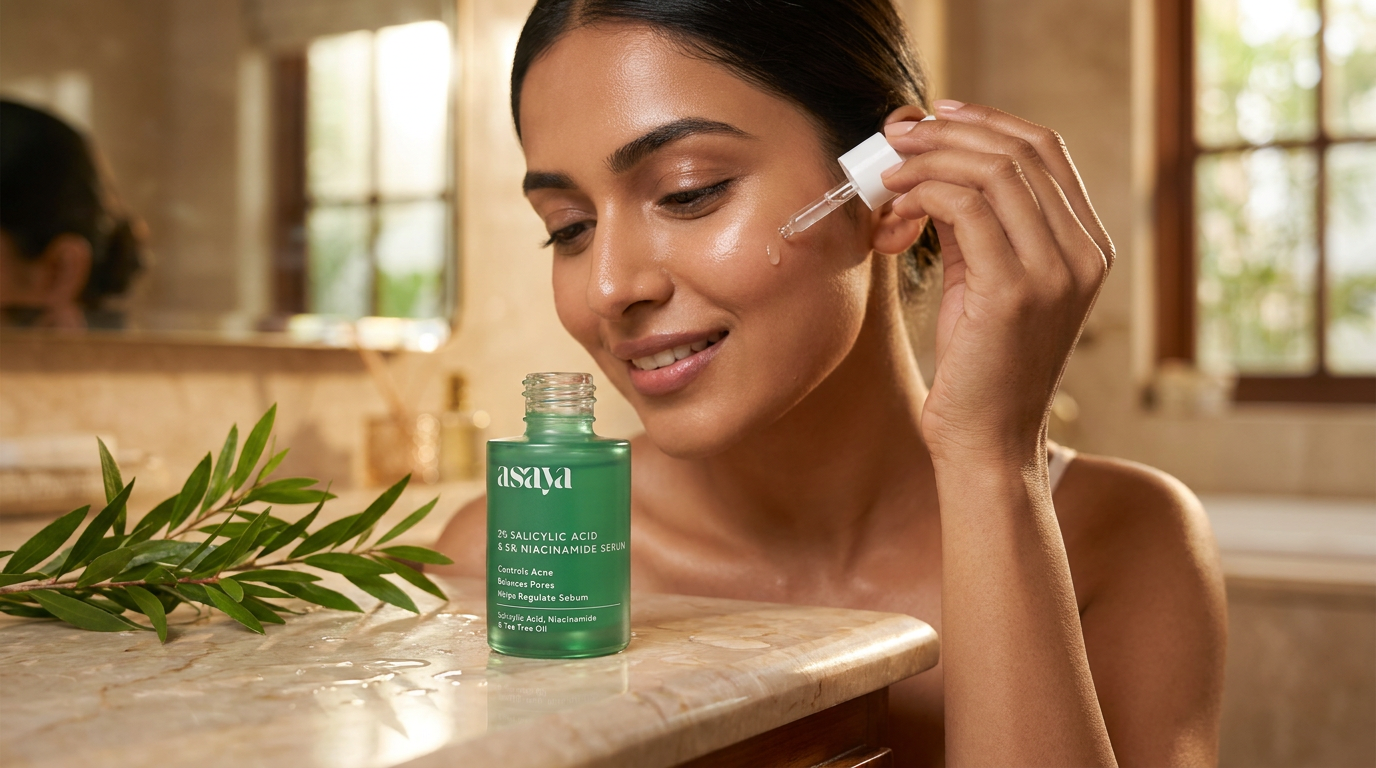
Asaya's formulations focus on barrier repair and long-term skin health, which directly addresses the root causes of chronic dryness. The brand's approach to melanin-rich skin means their hydrating ingredients are tested for effectiveness on Indian skin types, where dryness often presents differently than in global research.
In dry climates, glycerin-based serums work better than HA because they don't depend on air moisture. Squalane and ceramide combinations provide lasting hydration without the risk of drawing moisture from your skin. Oil-based treatments with plant-derived humectants offer the best protection in low-humidity environments.
Start with a gentle, hydrating cleanser, follow with a serum containing polyglutamic acid or tremella extract, then apply a moisturizer with ceramides and squalane. In the evening, add a few drops of facial oil for extra barrier protection. This routine provides comprehensive hydration without relying on HA.
Oatmeal contains beta-glucan and natural moisturizing compounds that soothe and hydrate. Honey has humectant properties and antimicrobial benefits. Aloe vera provides immediate relief and long-term hydration. However, for persistent dryness, properly formulated skincare products with proven concentrations work more reliably than DIY approaches.
Effective dry skin care requires understanding which ingredients work for your specific skin type and climate. Natural alternatives to hyaluronic acid often provide superior hydration, especially when combined with barrier-repair ingredients like ceramides and niacinamide. The key is consistency and using ingredients that work together rather than against each other.
For those dealing with both dryness and pigmentation concerns, Asaya's MelaMe™ Complex offers a unique approach. This advanced skincare engineering has been designed to work effectively on melanin-rich skin while supporting overall skin health. MelaMe™ helps restore skin barrier function as it addresses discoloration, making it particularly valuable for those whose dry skin is complicated by dark spots or uneven tone. The complex works by supporting your skin's natural repair processes, which includes maintaining proper hydration levels alongside pigment balance.
