


13 Best Home Remedies for Breakouts on Face: Natural Acne Solutions
Your Cart
0You May Also Like
Dealing with breakouts can feel overwhelming, especially when your skin doesn't respond to conventional treatments the way you'd expect. While store-bought products promise quick fixes, many people find that gentle, natural approaches work better for their skin in the long run. The best home remedy for breakouts on face often lies in your kitchen or medicine cabinet, using ingredients that have been trusted for generations. These natural acne solutions don't just mask the problem—they work with your skin's natural healing process to address inflammation, bacteria, and excess oil production. Whether you're dealing with occasional pimples or persistent acne, understanding which home remedies actually work can save you both money and frustration.
Tea tree oil, honey, and aloe vera are the most effective natural spot treatments for fast pimple relief
DIY face masks using oatmeal, turmeric, and green tea can prevent future breakouts when used 2-3 times weekly
Patch testing is essential before trying any home remedy, and results typically show within 3-7 days of consistent use
Your skin is designed to heal itself, and natural ingredients often support this process better than harsh chemicals that can disrupt your skin barrier. Many commercial acne products contain ingredients like benzoyl peroxide or salicylic acid that can be too aggressive for daily use, leading to dryness, irritation, and even more breakouts.
Natural acne solutions work by targeting the root causes of breakouts: bacterial overgrowth, inflammation, and excess sebum production. Ingredients like tea tree oil have antimicrobial properties that rival synthetic alternatives, while honey provides gentle antibacterial action without stripping your skin. The key advantage is that these remedies tend to be gentler on your skin barrier, which is crucial for long-term skin health.
Cost-effectiveness is another major benefit. Most home remedies cost a fraction of what you'd spend on specialized acne products, and many ingredients serve multiple purposes in your skincare routine. This makes them particularly appealing for anyone looking to maintain clear skin without breaking the bank.
These remedies are organized by how quickly they work and what type of acne concern they address best. Remember, consistency matters more than intensity when it comes to natural treatments.
When you need quick relief from an angry pimple, these treatments can reduce inflammation and size within hours.
1. Tea Tree Oil Spot Treatment: Dilute one drop of tea tree oil with a carrier oil like jojoba and apply directly to the pimple. Its antibacterial properties target acne-causing bacteria while reducing inflammation. Most people see visible reduction in redness within 4-6 hours.
2. Raw Honey Mask: Apply a thin layer of raw, unprocessed honey to clean skin and leave for 15-20 minutes. Honey's natural antimicrobial properties help heal existing breakouts while its humectant properties keep skin hydrated. This is one of the gentlest options for sensitive skin.
3. Ice Therapy: Wrap an ice cube in a clean cloth and hold against the pimple for 30 seconds, then remove for 30 seconds. Repeat 3-4 times. This reduces inflammation immediately and can significantly minimize the appearance of a breakout.
4. Aloe Vera Gel: Fresh aloe vera gel contains compounds that soothe irritated skin and promote healing. Apply a small amount to affected areas and leave overnight. It's particularly effective for reducing the redness that often accompanies breakouts.
These masks work best when used 2-3 times per week as part of a consistent routine to prevent future breakouts.
5. Honey and Cinnamon Mask: Mix 2 tablespoons honey with 1 teaspoon cinnamon powder. Apply for 15 minutes before rinsing. Cinnamon has antimicrobial properties while honey provides gentle cleansing action. This combination is excellent for deep pore cleansing.
6. Turmeric and Yogurt Mask: Combine 1 teaspoon turmeric powder with 2 tablespoons plain yogurt. The anti-inflammatory properties of turmeric combined with yogurt's gentle acids help reduce acne-causing bacteria and calm irritated skin.
7. Oatmeal Exfoliating Mask: Grind oatmeal into a fine powder and mix with water to form a paste. Gently massage onto skin and leave for 10 minutes. Oatmeal provides gentle physical exfoliation while absorbing excess oil.
8. Green Tea Toner: Brew strong green tea, let it cool, and apply with a cotton pad. Green tea's antioxidants help protect skin from environmental damage while its anti-inflammatory properties reduce redness.
Contrary to popular belief, certain oils can actually help control acne by regulating your skin's natural oil production.
9. Apple Cider Vinegar Toner: Dilute apple cider vinegar with water (1:3 ratio) and apply with a cotton pad. Its acidic nature helps balance skin pH and has antimicrobial properties. Always dilute properly to avoid irritation.
10. Coconut Oil Treatment: Use virgin coconut oil sparingly as a spot treatment. Its lauric acid content provides antibacterial benefits, but use cautiously as it can be comedogenic for some people.
11. Argan Oil Serum: A few drops of argan oil can help heal acne scars and provide moisture without clogging pores. Its vitamin E content supports skin repair and regeneration.
12. Jojoba Oil Cleanser: Jojoba oil closely mimics your skin's natural sebum, making it excellent for oil cleansing. Massage into skin for 1-2 minutes, then remove with a warm, damp cloth.
13. Lemon and Baking Soda Scrub: Mix fresh lemon juice with baking soda to form a paste. Use very sparingly and only once weekly, as this combination can be harsh. The citric acid provides gentle exfoliation while baking soda helps neutralize bacteria.
Safety should always come first when trying new treatments, even natural ones. Always perform a patch test by applying a small amount of any remedy to your inner wrist or behind your ear. Wait 24 hours to check for any adverse reactions before applying to your face.
Proper application timing matters significantly. Most masks work best on clean, dry skin and should be removed before they become completely dry and tight. Spot treatments are most effective when applied to freshly cleansed skin, allowing the active ingredients to penetrate properly.
Frequency guidelines prevent over-treatment, which can actually worsen acne. Start with once or twice weekly applications and gradually increase if your skin tolerates it well. Most people see initial results within 3-7 days, with more significant improvements appearing after 2-3 weeks of consistent use.
Different types of acne respond better to specific approaches, so understanding your skin's particular needs helps you choose the most effective remedies.
For immediate relief from angry, inflamed breakouts, cooling treatments work best. Ice therapy, aloe vera, and green tea compresses can provide quick relief. Apply these treatments for short periods to avoid skin damage from extreme cold.
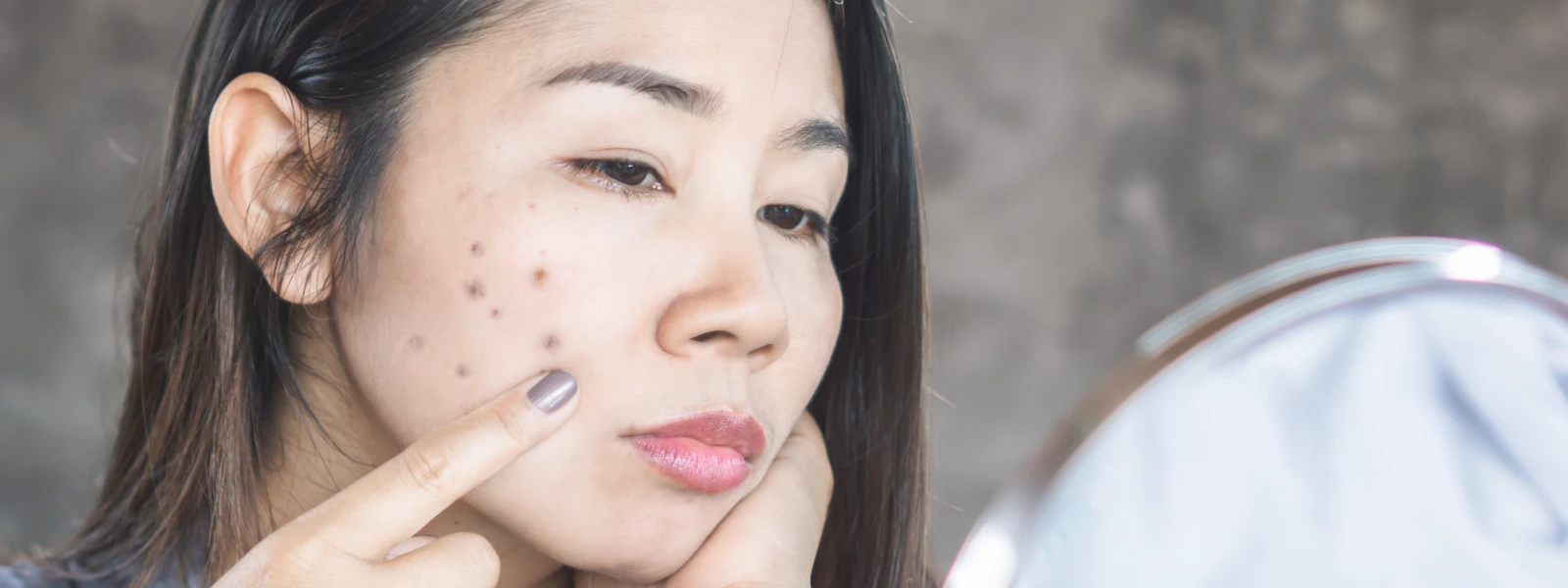
Gentle exfoliation with oatmeal or honey helps remove dead skin cells that can make scars appear more prominent. Lemon juice contains natural alpha hydroxy acids that can help brighten dark spots, but use sparingly and always follow with sunscreen during the day.
Consistency is key for prevention. Establish a routine using gentle cleansing with honey or oil cleansing, followed by a simple toner like green tea or diluted apple cider vinegar. Weekly masks help maintain clear pores and balanced oil production.
Some popular home remedies can actually worsen acne if used incorrectly. Avoid using undiluted lemon juice directly on skin, as it can cause chemical burns and increase sun sensitivity. Similarly, baking soda can be too alkaline for regular use and may disrupt your skin's natural pH balance.
Over-application is another common mistake. More isn't always better with natural remedies. Using treatments too frequently can irritate your skin and trigger more breakouts. Stick to recommended frequencies and listen to your skin's responses.
Never ignore allergic reactions or persistent irritation. If a remedy causes burning, excessive redness, or worsening of your acne, discontinue use immediately. Natural doesn't always mean safe for everyone.
Home remedies work well for mild to moderate acne, but certain signs indicate you need professional help. If you're dealing with deep, painful cysts, widespread breakouts covering large areas of your face, or acne that's leaving permanent scars, it's time to consult a dermatologist.
Hormonal acne, which typically appears along the jawline and chin in a cyclical pattern, often requires professional treatment to address the underlying hormonal imbalances. However, you can still use gentle home remedies alongside professional treatments to support your skin's healing process.
The most effective natural approach combines gentle cleansing with honey or oil cleansing, targeted spot treatments like tea tree oil, and consistent use of anti-inflammatory ingredients like aloe vera and green tea. Consistency matters more than intensity.
For quick results, apply ice to reduce inflammation, use tea tree oil as a spot treatment, and try honey masks overnight. Most people see improvement within 24-48 hours, but complete healing takes 3-7 days.
Tea tree oil is the most effective for pimple removal due to its strong antibacterial properties. Jojoba and argan oils also help by regulating sebum production without clogging pores. Always dilute tea tree oil before application.
Yes, Asaya's gentle, science-backed formulations work well with natural treatments. The brand's focus on melanin-rich skin means their products are designed to be less irritating, making them compatible with most home remedies when used properly.
Home remedies can be incredibly effective for managing breakouts, especially when you understand which ingredients work best for your specific skin concerns. The key is patience, consistency, and listening to your skin's responses. While these natural solutions can provide significant improvement, remember that everyone's skin is different.
For those dealing with persistent pigmentation and dark spots that often follow breakouts, especially on melanin-rich skin, combining home remedies with targeted treatments can be particularly effective. This is where Asaya's MelaMe™ Complex comes into play—this advanced skincare engineering has been designed to visibly treat discolouration and restore pigment balance within 2 weeks of regular use. It works on existing dark spots by breaking excess melanin deposits down into re-absorbable amino acids while inhibiting excess melanin production, making it an excellent complement to natural acne treatments for achieving truly clear, even-toned skin.
